
Anglo-Saxon mythology
The pre-Christian belief system of the Anglo-Saxons in early medieval England: deities, rituals, sources, and its legacy in language, literature and archaeology.
Overview
Anglo-Saxon mythology refers to the collection of religious beliefs and mythic themes associated with the Germanic peoples who settled in Britain during the Migration Period. Often described within the wider context of Migration Period Germanic paganism, it developed regional features among the English peoples of 5th to 7th century England before and during the early Christian conversion.
Image gallery
7 Images


Sources and evidence
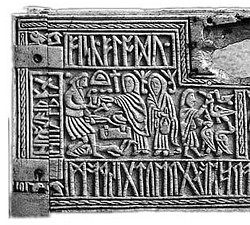
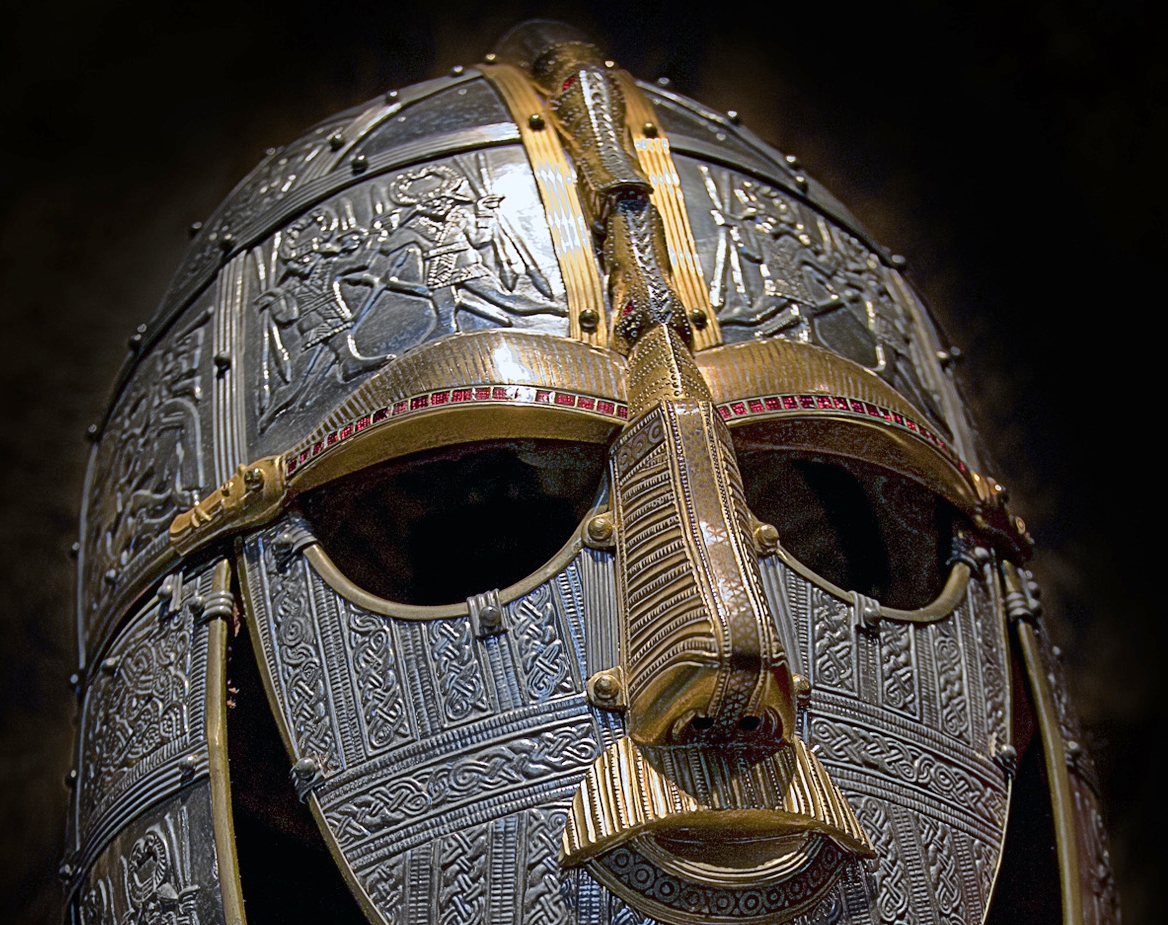
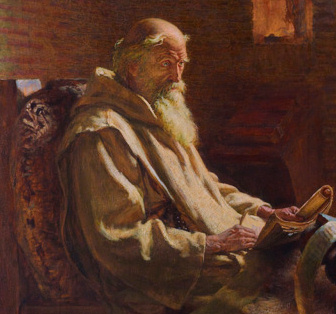
Direct written records are scarce because most tales and rituals were never recorded in a pagan context. Key evidence comes from later Christian writers, place-names, law codes, Old English poetry and charms, and archaeological finds such as grave goods, votive deposits and cultic sites. Major literary witnesses include heroic poetry and hagiography, but interpretations must be cautious where Christian authors reshaped older material.
Beliefs, deities and concepts
Anglo-Saxon religion shared core elements with other Germanic traditions: a pantheon of named deities (for example Woden, Thunor, Tiw and Frige in Old English forms), a strong sense of fate and warrior ethos, ancestor veneration, and animistic respect for particular trees, springs and landscapes. Some deity names survive in weekday names and place-names; other aspects are reconstructed from comparative evidence with Norse and continental Germanic sources.
Rituals and social role
Ritual practice appears to have included burial rites (inhumation and cremation at different times), deposition of objects in wetlands and rivers, the use of runic inscriptions and charms for protection, and feasting or oath-swearing in kin and royal contexts. Religion was intertwined with kingship and law, providing sanctified authority for rulers and communal rites that reinforced social bonds.
Legacy and distinctions
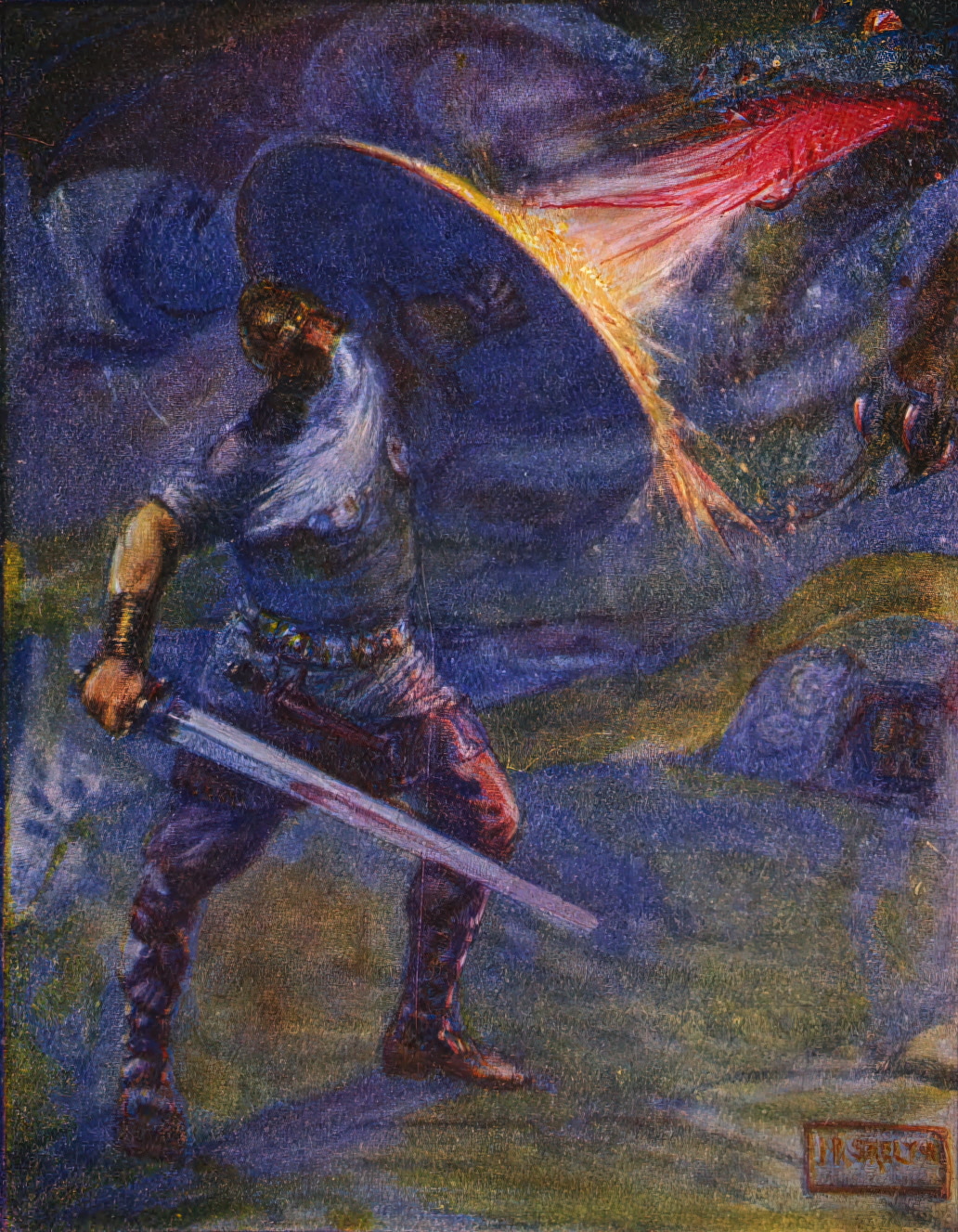
The Anglo-Saxon tradition blended with Christian belief after conversion, leaving linguistic traces (weekday names, personal names), literary echoes in works such as heroic poetry, and folk customs. While closely related to Norse mythology and broader Germanic mythic patterns, Anglo-Saxon practice had distinctive names, local cults and regional variations shaped by the island environment and interactions with continental Europe.
Further reading and significance
- Study of place-names and archaeological deposits illuminates local cults and sacred landscapes.
- Old English poems and charms show how mythic themes persisted into Christian culture.
- Comparative Germanic study helps reconstruct probable beliefs but must be used carefully.
Anglo-Saxon mythology therefore survives primarily as a patchwork of linguistic, literary and material traces that inform our understanding of early medieval belief and identity.
Related articles
Author
AlegsaOnline.com Anglo-Saxon mythology Leandro Alegsa
URL: https://en.alegsaonline.com/art/4198
Sources
- franks-casket.de : The development of the Weland Saga Tradition