
Père David's deer (Milu)
Père David's deer (Milu) is a Chinese wetland deer once extinct in the wild. Named for Père Armand David, it survives through captive breeding and managed reintroductions into protected marshes and reserves.
Overview
Père David's deer (Elaphurus davidianus), commonly called Milu (麋鹿) in Chinese, is a distinctive deer species native to eastern Asia. It is associated with lowland marshes and wet meadows and is notable for its survival story: after disappearing from the wild, the species persisted in captivity and later became the focus of restoration efforts.
Image gallery
10 Images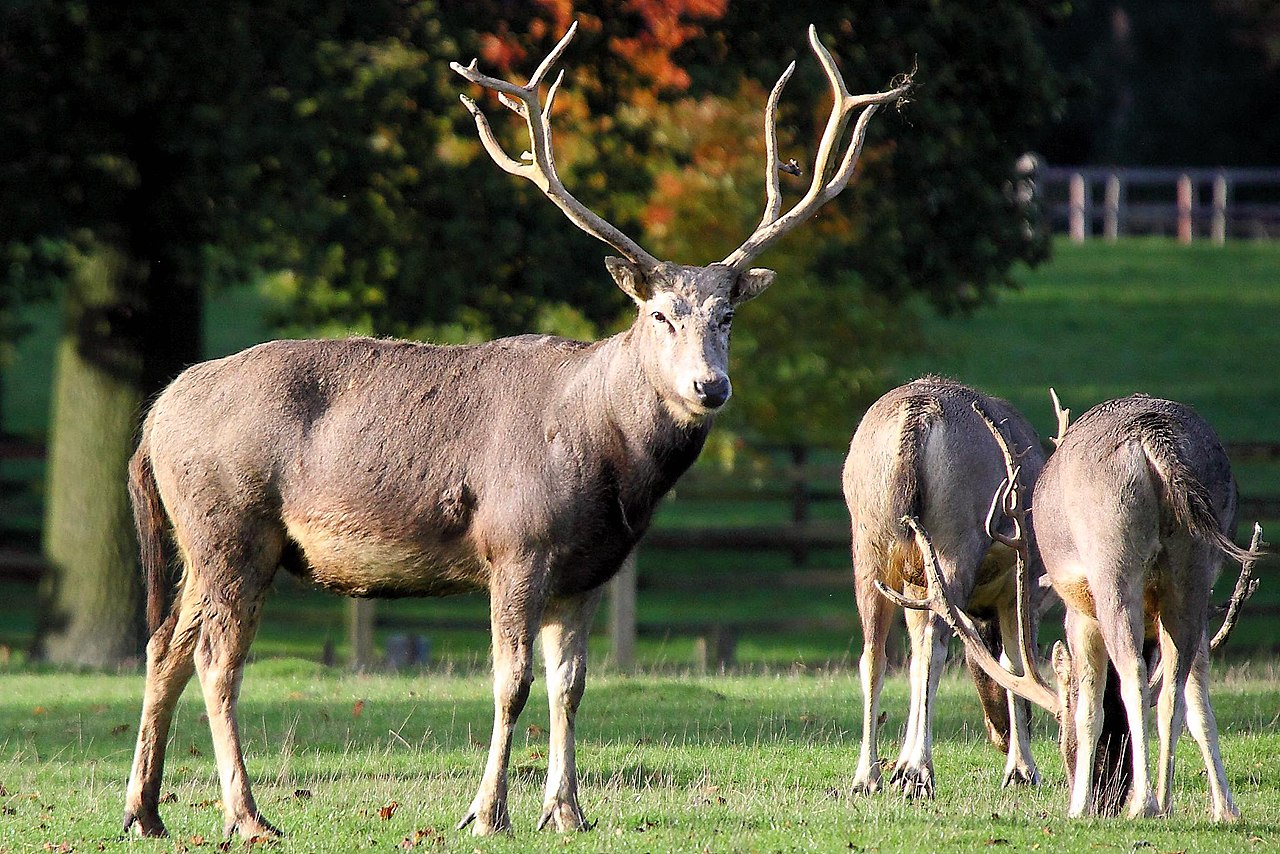




Physical characteristics
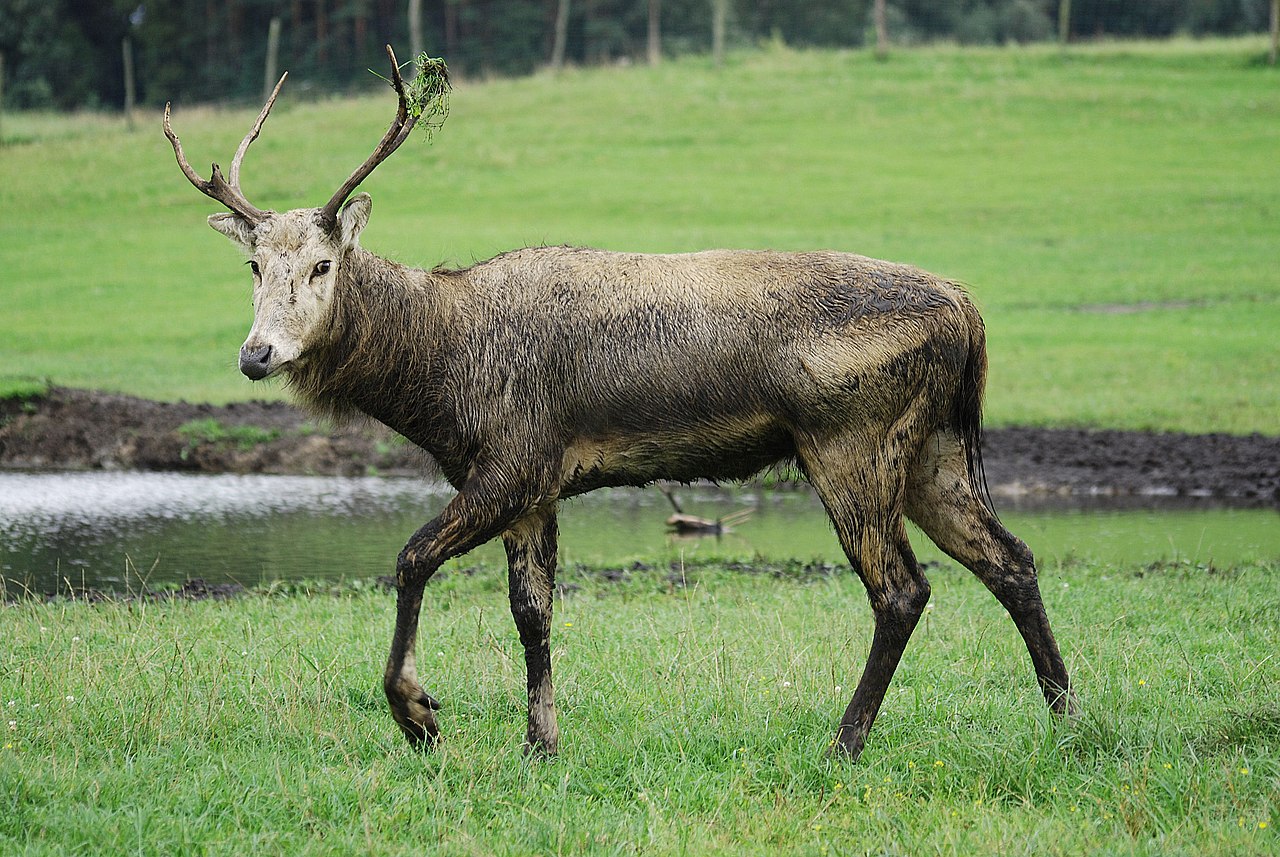
This deer is medium to large in size, with a coat that varies seasonally and a relatively long tail compared with many other deer. Males develop antlers during the breeding season, and both sexes are adapted for moving through soft, waterlogged ground. Their feeding anatomy and behaviour suit a diet of grasses, reeds and other aquatic or semi-aquatic plants.
Habitat and diet
Père David's deer prefers marshy, floodplain and wetland environments where grasses and water plants are abundant. These habitats provide both food and cover. Typical foods include a mix of grasses, sedges and aquatic vegetation; animals graze on solid ground and wade into shallower water to reach submerged plants. For more on wetland ecology and management see marshland resources.
History and conservation
Named after the French missionary and naturalist Père Armand David, the species became rare in the wild by the late 19th and early 20th centuries. It survived chiefly in human care—zoos and private collections—until coordinated breeding and conservation programmes allowed reintroductions into protected areas. These programmes illustrate how ex situ conservation (captive breeding) and careful habitat management can enable species recovery; see materials on captive management at captive breeding.
Importance and notable facts
Père David's deer is often cited as a conservation success story and a reminder of wetland fragility. It is culturally significant in China and of interest to biologists studying reintroduction methods, genetic management and wetland restoration. For taxonomic context and related species, consult a general overview of the deer family at deer family resources.
Practical considerations
Maintaining populations requires suitable marsh habitat, protection from hunting, and ongoing monitoring. Reintroduction programmes typically combine habitat restoration, population monitoring and genetic management to reduce inbreeding and ensure long-term viability. The Milu remains a living example of how focused human intervention can reverse a species’ decline when habitat and protection are restored.
Questions and answers
Q: What is Père David's deer?
A: Père David's deer is a species of deer.
Q: What is another name for Père David's deer?
A: Another name for Père David's deer is Milu in Chinese.
Q: Has Père David's deer ever gone extinct in the wild?
A: Yes, Père David's deer has gone extinct in the wild.
Q: Where is Père David's deer believed to be native to?
A: Père David's deer is believed to be native to the subtropics.
Q: What kind of environment does Père David's deer like?
A: Père David's deer likes marshland.
Q: What does Père David's deer eat?
A: Père David's deer eats a mixture of grass and water plants.
Q: Has Père David's deer been reintroduced to the wild in any areas?
A: Yes, Père David's deer has been reintroduced to the wild in some areas.
Related articles
Author
AlegsaOnline.com Père David's deer (Milu) Leandro Alegsa
URL: https://en.alegsaonline.com/art/75766
Sources
- commons.wikimedia.org : Elaphurus davidianus
- species.wikimedia.org : Elaphurus davidianus
- animaldiversity.ummz.umich.edu : Père David's Deer · web.archive.org
- web.archive.org : Facts