
Piankeshaw (Peeyankihšiaki) — subgroup of the Miami people
The Piankeshaw are a historic Indigenous subgroup of the Miami people from the Ohio Valley. Known as Peeyankihšiaki, they lived in parts of Indiana, Ohio and Illinois and maintained close ties with the Wea.
Overview
The Piankeshaw, also spelled Piankashaw or Pianguichia and known in their own language as Peeyankihšiaki, are a distinct band historically associated with the Miami nation. They are an Indigenous people of the eastern Woodlands and speakers of a dialect of the Miami-Illinois branch of the Algonquian language family. Scholars and historical sources often describe them as a group that separated geographically from the main body of the Miami. See historical references to Native American groups for broader context.
Image gallery
1 Image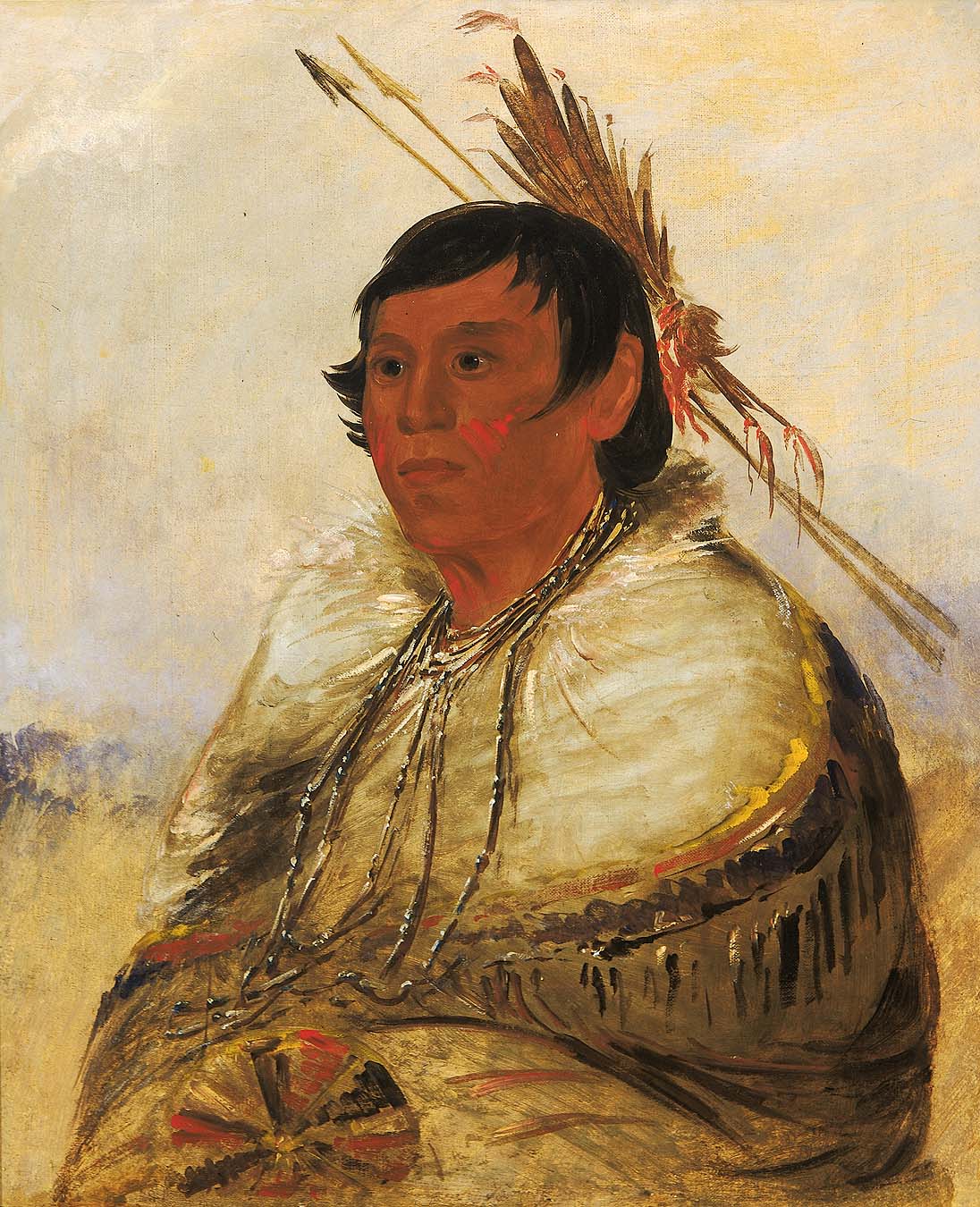
Territory and settlements
Traditionally the Piankeshaw occupied riverine lands in what is now the western part of Indiana and portions of Ohio, with some villages recorded along tributaries that flow into the Wabash and Ohio rivers. Archaeological and documentary evidence places Piankeshaw villages on the White River in central Indiana and along the Vermilion River in Illinois. A number of European-era accounts note Piankeshaw presence near the Wea village of Ouiatenon and record Piankeshaw occupation of the Vermilion in the 1740s.
Culture and lifeways
Like other Miami peoples, the Piankeshaw combined sedentary agriculture with hunting, fishing and gathering. Corn, beans and squash formed core cultivated crops, supplemented by deer and small game, river fish and wild plants. Permanent village sites featured communal dwellings and seasonal structures built of wood and bark. Kinship, clan ties and ceremonial life followed patterns common among Great Lakes and Ohio Valley Algonquian peoples.
Relations, trade and history
The Piankeshaw were closely allied with the Wea and maintained political, social and economic connections with other Miami groups. Their location along major waterways placed them within the fur trade networks of the 17th and 18th centuries and brought early contact with French, and later British and American traders and officials. Their self-name, commonly translated as "those who split off," reflects a historical separation in residence rather than complete cultural independence.
Key characteristics
- Language family: Algonquian (Miami-Illinois dialect).
- Economic base: agriculture supplemented by hunting and fishing.
- Historic region: western Indiana, parts of Ohio and Illinois; riverine villages.
- Allies: closely tied to the Wea people and other Miami groups (Wea).
Legacy and modern status
Over the 18th and 19th centuries the Piankeshaw, like many Indigenous communities of the Ohio Valley, experienced population loss from disease, the pressures of expanding European-American settlement, and the effects of treaties and displacement. Today descendants of Piankeshaw families are found among the federally recognized Miami and Peoria-related groups and in communities that maintain cultural memory of Piankeshaw identity. Archaeological sites and documentary records along rivers such as the White and the Vermilion continue to inform research and local history, and contemporary cultural initiatives aim to preserve language and traditions formerly associated with the Piankeshaw.
Related articles
Author
AlegsaOnline.com Piankeshaw (Peeyankihšiaki) — subgroup of the Miami people Leandro Alegsa
URL: https://en.alegsaonline.com/art/76684
Sources
- gbl.indiana.edu : Summary of Piankashaw Locations (1708- ca. 1763)
- gbl.indiana.edu : Anthropological report on the Piankashaw