
Serfdom in Medieval Europe: Bound Peasant Labor, Rights, and Abolition
Overview of serfdom in medieval Europe: how peasants were tied to land, their duties and limited rights, regional variations, and the gradual decline and abolition over centuries.
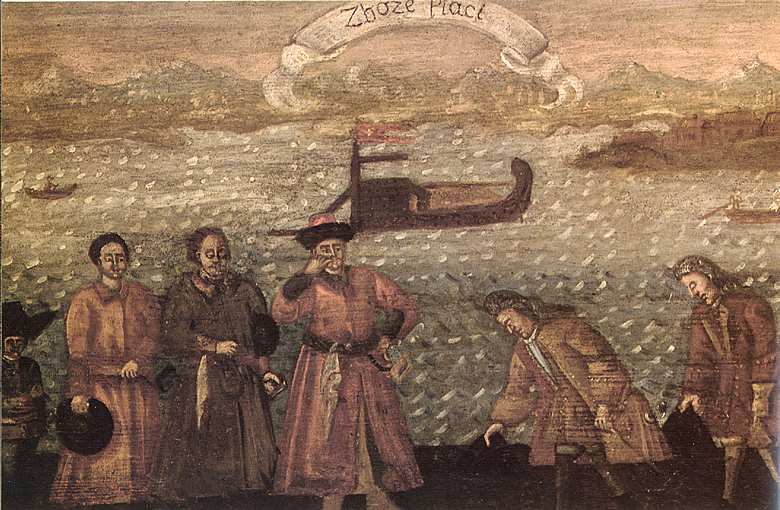
Serfdom is a social and economic system in which rural workers, called serfs, are legally tied to land owned by a noble or landholder. In medieval Europe this usually meant that peasant farmers lived on a lord’s estate and were required to provide labor, produce, or payments to the lord, while occupying a house and plots on the manor.
Serfs differed from outright slaves in important ways: they often retained limited property rights and legal personality, but they lacked full freedom of movement and personal autonomy. Marriage, relocation, and other major life decisions commonly required the permission of the lord, and in many jurisdictions serfs were considered part of the land—transferrable when the estate changed hands.
Image gallery
10 Images


Work and obligations
Daily life for serfs combined production for subsistence with services owed to the estate. Common obligations included:
- labor on the lord’s fields and the serf’s own plots related to agriculture,
- management of estate woodlands and tasks tied to forestry,
- local transport of goods by road or river, and
- work in local craft workshops and small-scale manufacturing.
Origins and spread
Forms of bound rural labor developed out of late-antique practices within the Roman Empire and evolved over the early medieval period. These arrangements spread and were adapted across Europe, becoming a widespread feature by approximately the 10th century and remaining central to rural society throughout the Middle Ages.
Decline and abolition
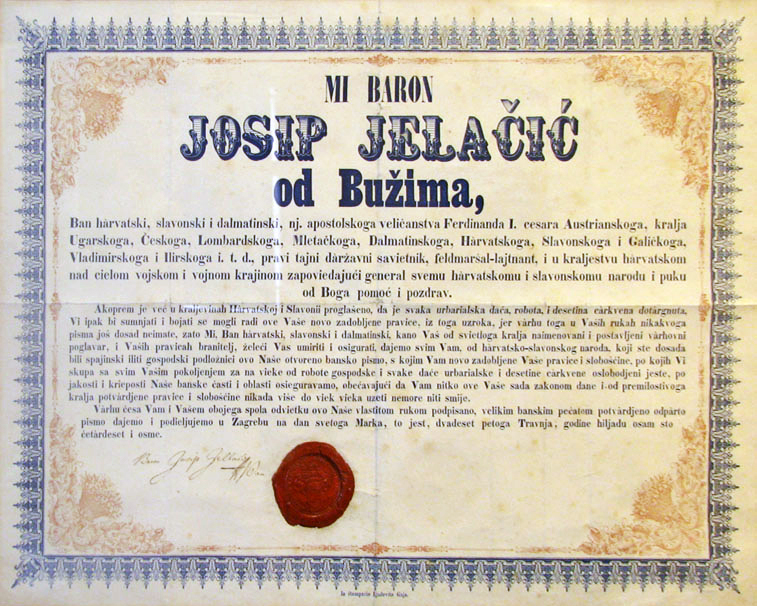
The end of serfdom took place at different times across regions. In England customary servile obligations had largely faded by the 16th–17th centuries; in France the Revolutionary changes of 1789 abolished feudal dues. In many other parts of continental Europe formal serfdom survived until legal reforms of the early 19th century. In the Russian Empire the practice became particularly entrenched in the 18th century and was legally ended by Alexander II in 1861.
Historians study serfdom to understand rural economies, social hierarchies, and the transition from medieval to modern forms of labor and land tenure. Although details varied by place and period, serfdom shaped everyday life for millions of people across Europe for many centuries.
Questions and answers
Q: What is serfdom?
A: Serfdom is the forced labour of serfs in a feudal society, where peasant farmers worked without pay for a lord in exchange for living and working on their manor.
Q: How did serfs differ from slaves?
A: Serfs had more rights than slaves, such as the ability to own property, while they were not completely free and could not move, marry or leave the manor without permission.
Q: What kind of work did serfs do?
A: Serfs worked in their lord's fields and sometimes did other things related to agriculture like forestry and transportation (by land and river). Some also worked in craft and manufacturing.
Q: Where did serfdom originate?
A: Serfdom developed from agricultural slavery in the Roman Empire and spread through Europe around the 10th century.
Q: When was it abolished in England?
A: Serfdom lasted up to the 1600s in England.
Q: When was it abolished in France?
A: In France, it lasted until 1789.
Q: When was it abolished in Russia? A:In Russia, Alexander II abolished it 1861.
Related articles
Author
AlegsaOnline.com Serfdom in Medieval Europe: Bound Peasant Labor, Rights, and Abolition Leandro Alegsa
URL: https://en.alegsaonline.com/art/89000
Sources
- mises.org : War Communism to the NEP: The Road from Serfdom
- news.bbc.co.uk : Gorbachev's BBC Interview