
Peace River (western Canada)
The Peace River is a major western Canadian river rising in British Columbia, flowing through Alberta and joining the Athabasca to form the Slave River; important for transport, power and ecosystems.
Overview
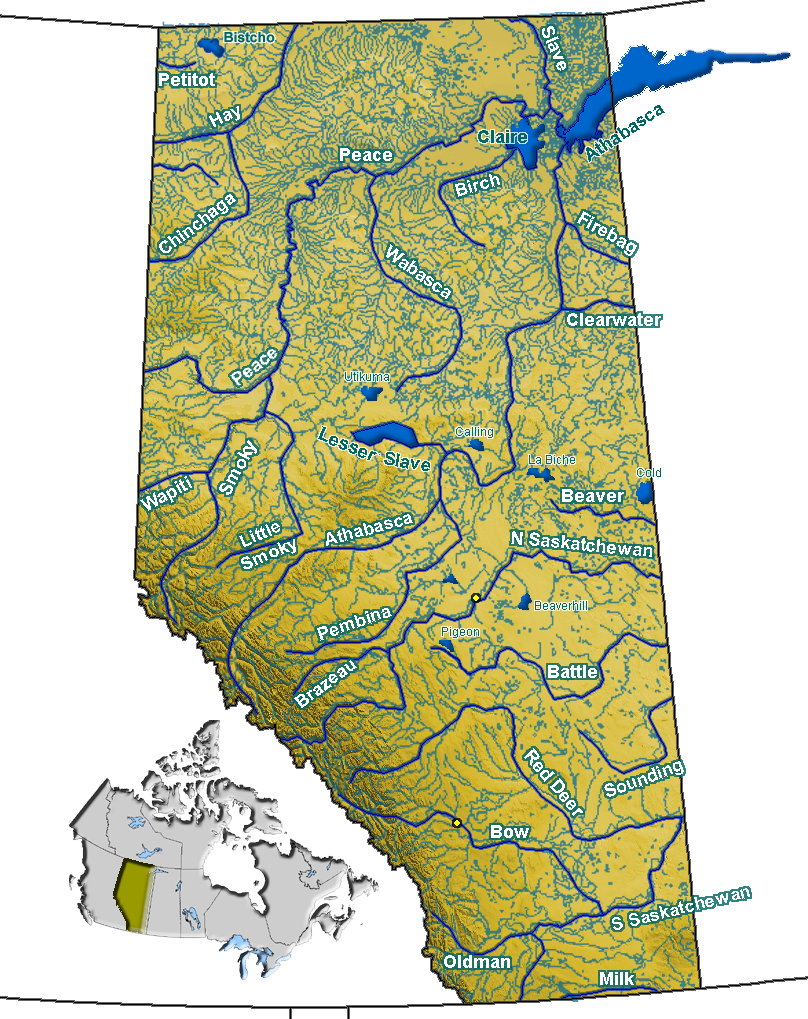
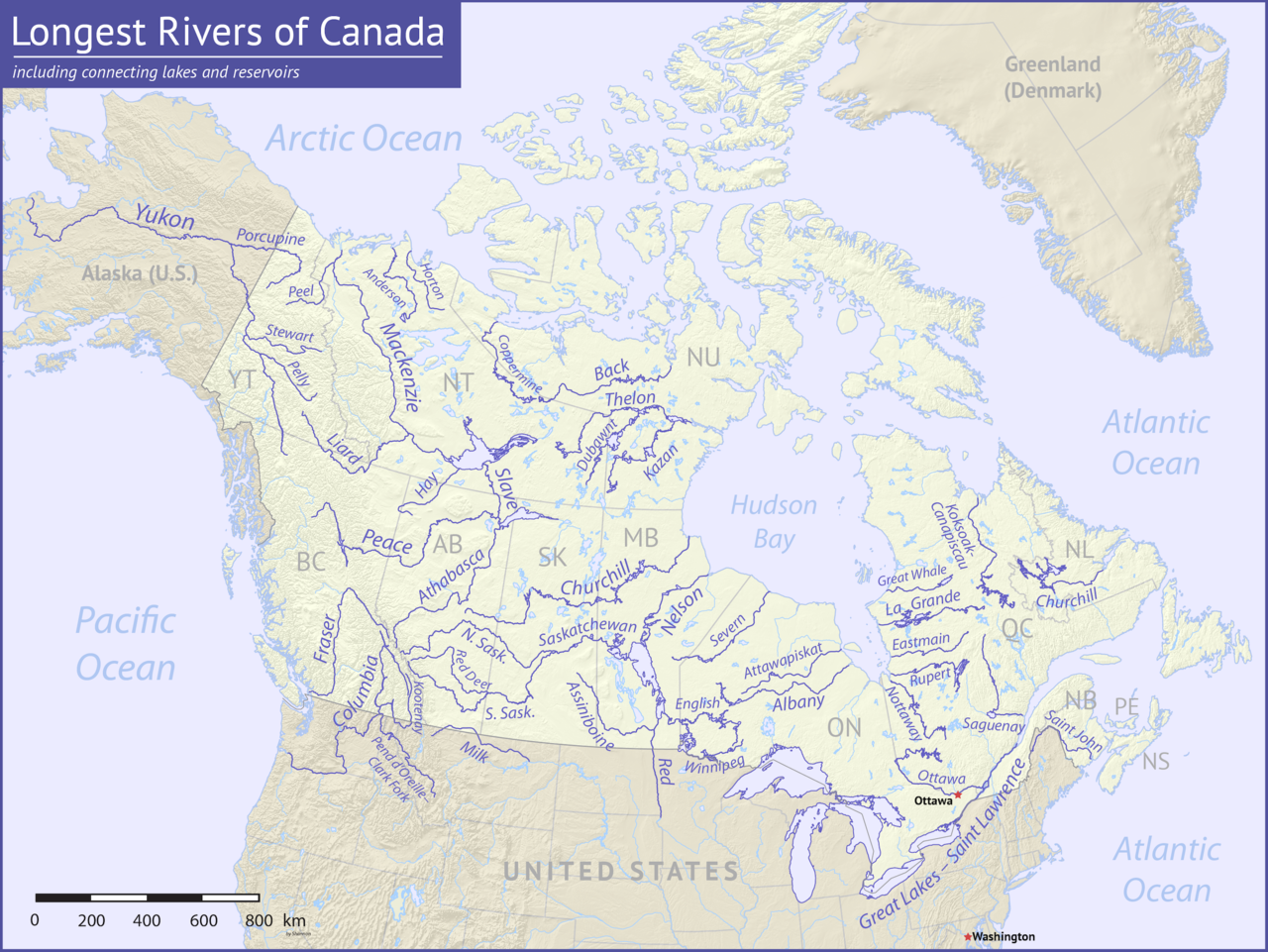
The Peace River is a long river in western Canada that begins in the mountains of British Columbia, crosses into Alberta, and after a journey of about 1,923 kilometres joins the Athabasca River to form the Slave River. It is one of the principal rivers of the Mackenzie River drainage system and has been a defining feature of the region’s geography, ecology and human settlement.
Image gallery
10 Images




Course and physical characteristics
The river rises in mountainous terrain and initially follows a southeasterly and easterly direction before turning northeast to traverse the open prairies. Along its course the channel alternates between confined mountain valley sections and broader lowland reaches. Seasonal flow varies with snowmelt and rainfall, and the Peace contributes a substantial volume of water to downstream river systems that ultimately drain to the Arctic Ocean.
History, people and uses
The Peace River corridor has long supported Indigenous communities and later European fur trade routes and settlements. In the 19th and 20th centuries the valley became important for navigation, agriculture and resource development. The river has also been harnessed for hydroelectric power; large reservoirs and dams in its upper basin altered flow regimes and created significant hydroelectric generation capacity that supports regional industry and communities.
Ecology and conservation
Riparian zones, wetlands and floodplain forests along the Peace River provide habitat for a wide range of fish, birds and mammals. The river basin includes diverse ecosystems from montane forests to prairie wetlands. Hydroelectric development, land use change and resource extraction have changed habitats in parts of the basin, prompting conservation efforts focused on fish passage, wetland protection and sustainable land management.
Notable facts and distinctions
- The Peace River is a primary tributary in the Mackenzie watershed, contributing to the flow that reaches the Arctic Ocean.
- Its valley supports agricultural plains and several regional towns that grew around river transportation and later road and rail networks.
- Hydropower installations in the basin rank among the major energy projects in western Canada and have had long-term social and environmental effects.
Together these geographic, ecological and human elements make the Peace River an important natural feature of western Canada, central to regional economies, cultures and environments.
Related articles
Author
AlegsaOnline.com Peace River (western Canada) Leandro Alegsa
URL: https://en.alegsaonline.com/art/75329