
Pelagic zone — the open ocean away from coasts
The pelagic zone is the open-water part of the ocean beyond the shore and continental shelf. It is structured by depth, light and pressure and hosts plankton, nekton and many ecosystems important for climate and fisheries.
Overview
The pelagic zone is the body of open water that lies away from the shore and seabed, commonly described as the open sea or the ocean beyond coastal waters. The term derives from the ancient Greek πέλαγος, meaning "open sea." Unlike coastal areas that are influenced by nearby land and shallow geology, the pelagic realm begins where the influence of the coast and its shallow margins diminishes.
Image gallery
10 Images

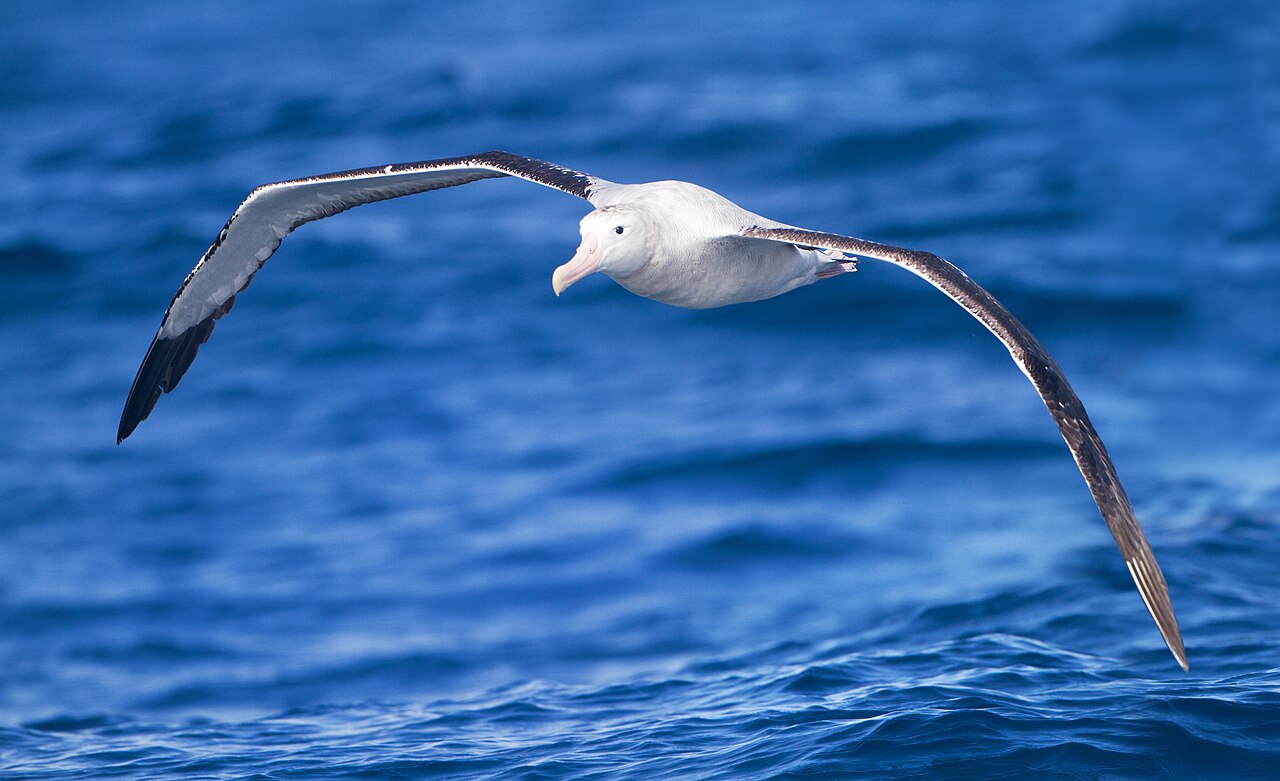


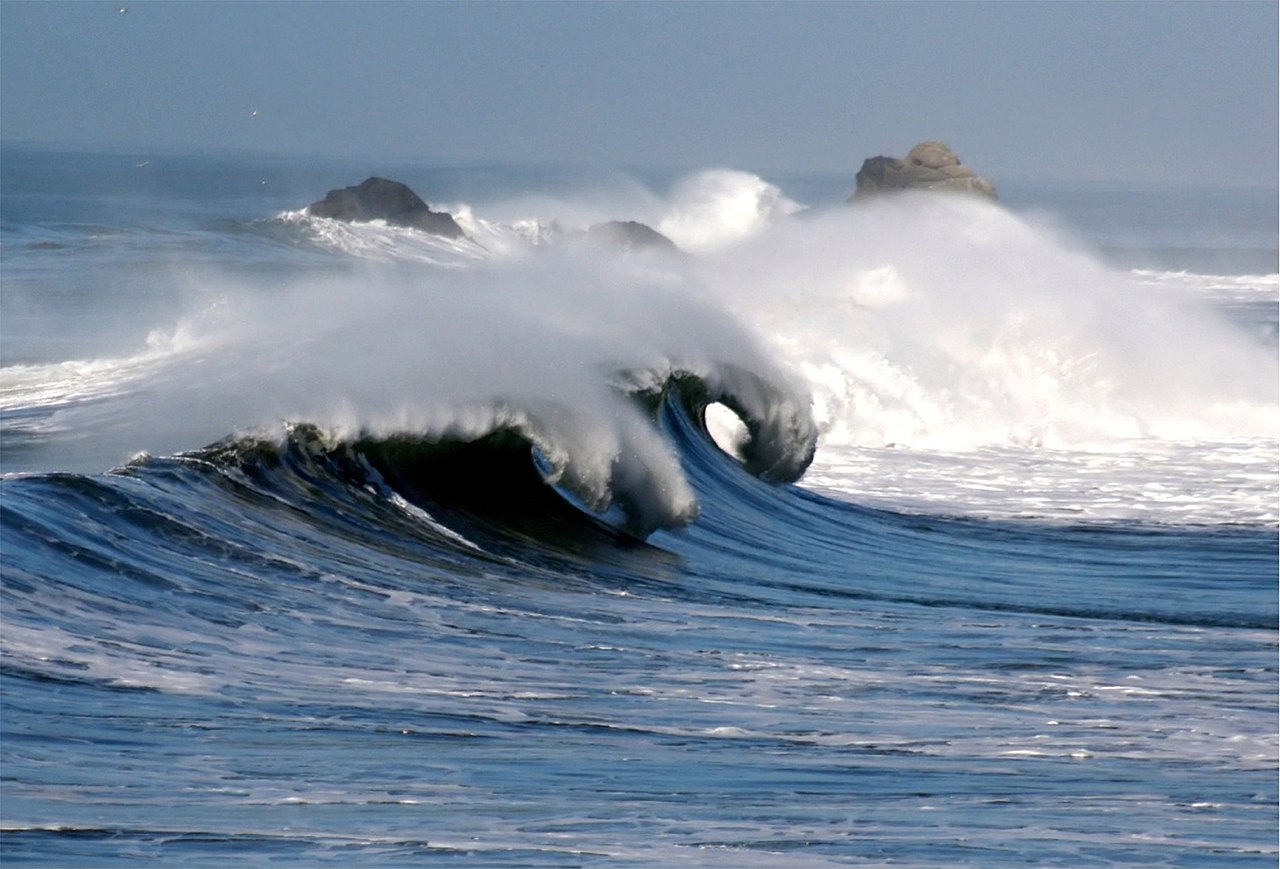
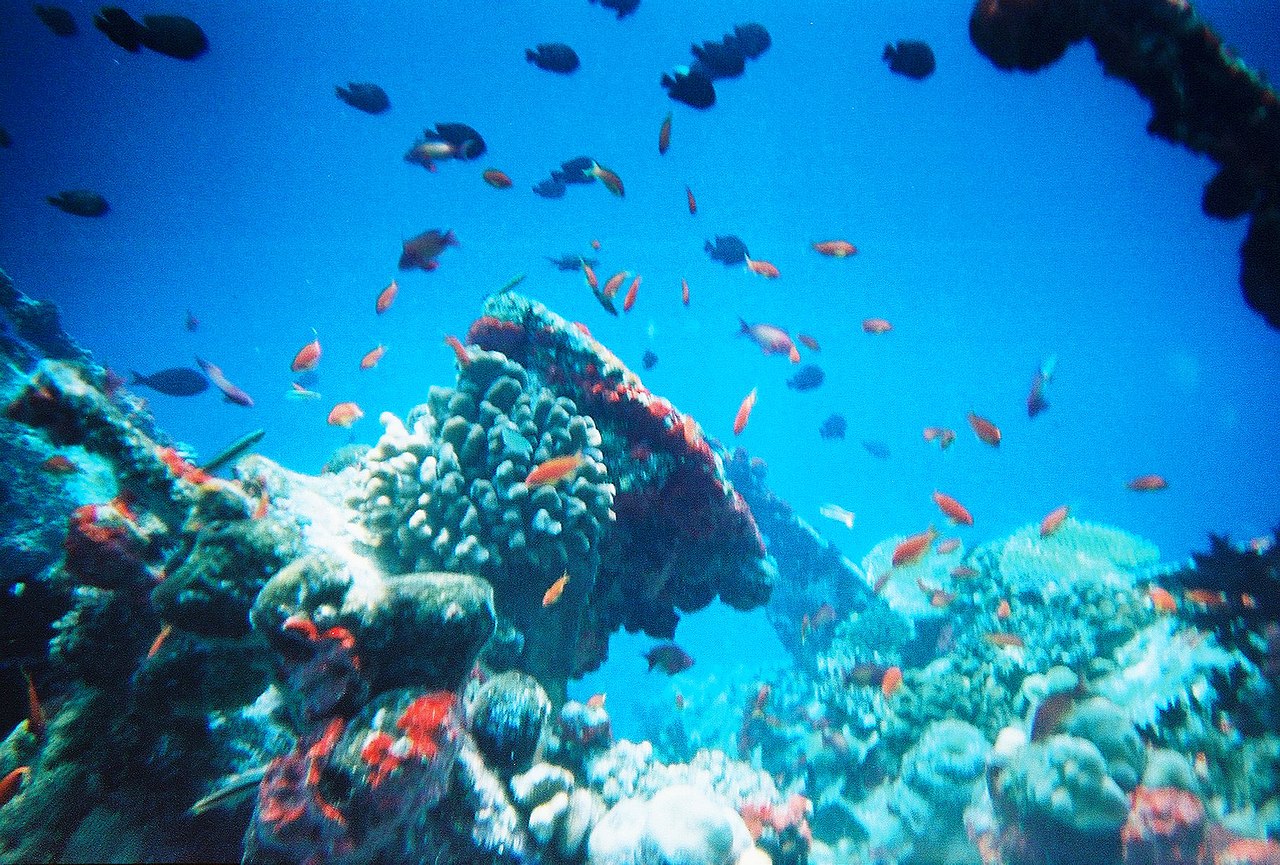


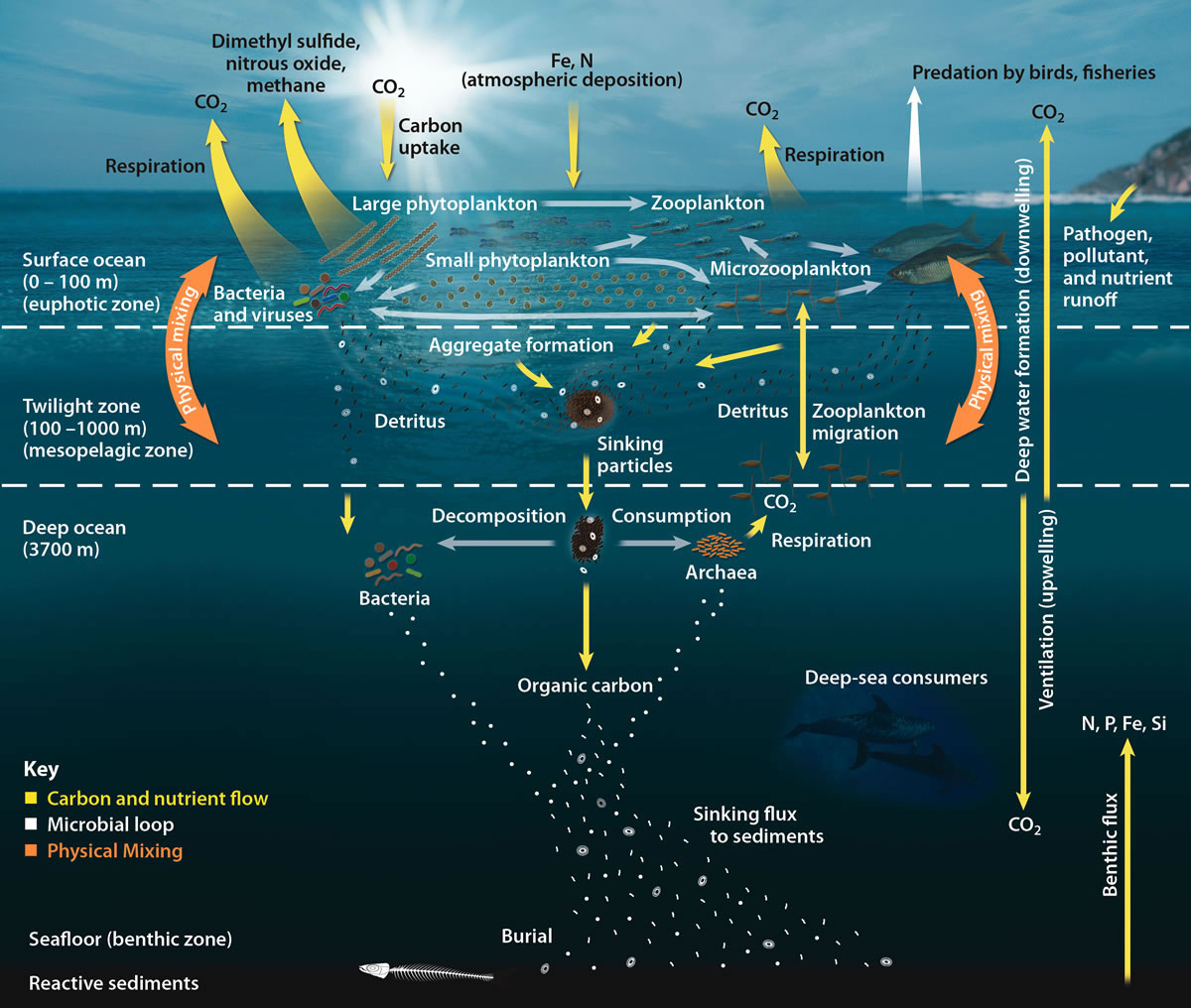
Structure and layers
The pelagic environment is commonly divided into vertical zones defined by light, pressure and biology. These layers include:
- Epipelagic (sunlit) — surface waters where sunlight supports photosynthesis, typically home to phytoplankton and many fish.
- Mesopelagic (twilight) — dimly lit midwaters with migrating organisms and steep changes in temperature.
- Bathypelagic and deeper — dark, high-pressure zones where organisms rely on detritus, predation or chemosynthetic inputs.
Physical characteristics
Light, temperature and pressure change markedly with depth in the pelagic zone. Surface waters are warmed and mixed by wind and currents, while deeper layers are colder and more stable. Nutrient availability and primary production are concentrated where sunlight and upwelling intersect. Far from shore, the seafloor beneath pelagic waters is often oceanic crust rather than continental crust, and these areas lack the wide continental shelf typical of coastal seas.
Life, ecology and behavior
Biota in the pelagic zone are grouped by functional roles: microscopic phytoplankton and zooplankton form the base of food webs; nekton such as fishes, squids and marine mammals actively swim; and many species exhibit vertical migrations to feed or avoid predators. Adaptations include bioluminescence, enlarged eyes, streamlined bodies and slow metabolisms in the deep layers.
Human importance and notable facts
The pelagic zone supports major fisheries, global shipping routes and considerable scientific interest because of its role in carbon cycling and climate regulation. It is the largest contiguous habitat on Earth by volume, but also faces pressures from overfishing, pollution and climate change. Distinct from the benthic zone (the seafloor), pelagic research informs conservation, management and our understanding of oceanic processes.
Questions and answers
Q: What is the Pelagic zone?
A: The Pelagic zone is the open sea or ocean that is not near the coast.
Q: What is the origin of the word "Pelagic"?
A: The word "Pelagic" originates from the Greek word pélagos, which might be translated as "open sea".
Q: What is the difference between seas around continents and seas away from continents?
A: Seas around continents have continental crust beneath them, and they are shallow. Sea away from continents can be very deep, and do not have continental shelves beneath them.
Q: Why are seas away from continents deeper than seas around continents?
A: Seas away from continents are deeper because they do not have continental shelves beneath them.
Q: What is the significance of the Pelagic zone?
A: The Pelagic zone is a significant part of the ocean as it is the open sea or ocean not near the coast.
Q: What is the opposite of the Pelagic zone?
A: The opposite of the Pelagic zone would be the coastal zone or inshore zone.
Q: What is the meaning of "continental crust"?
A: Continental crust is the outermost layer of the Earth's crust, which lies beneath the continents.
Related articles
Author
AlegsaOnline.com Pelagic zone — the open ocean away from coasts Leandro Alegsa
URL: https://en.alegsaonline.com/art/75479