
Paul Tibbets: pilot of Enola Gay and commander of the Hiroshima mission
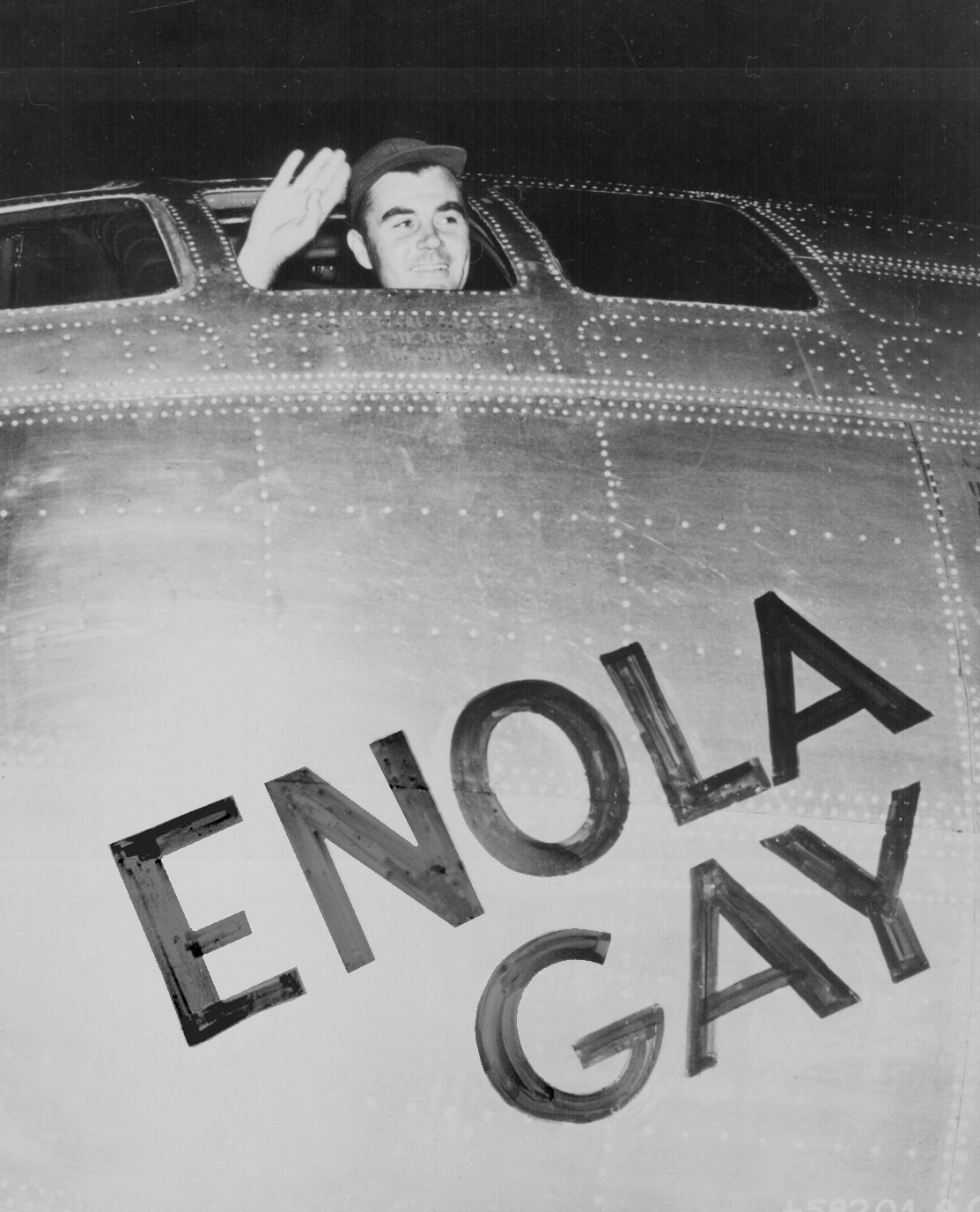
Paul W. Tibbets Jr. (1915–2007) was a U.S. Air Force brigadier general best known for piloting the B-29 Enola Gay that dropped the first wartime atomic bomb on Hiroshima in 1945.
Overview
Paul Warfield Tibbets Jr. (23 February 1915 – 1 November 2007) was an American military aviator who rose to the rank of brigadier general. He served in the Army Air Forces during World War II and later in the United States Air Force. Tibbets is best known as the pilot and commander of the B-29 Superfortress Enola Gay, which dropped the first wartime atomic bomb on Hiroshima on 6 August 1945.
Image gallery
10 Images


Early life
Tibbets was born in Quincy, Illinois, and developed an early interest in flying. He earned pilot training in the 1930s and built a career as a bomber pilot. His experience and leadership qualities led to selection for advanced training and command positions as the United States prepared for large-scale long-range operations in World War II.
509th Composite Group and preparation
During the war Tibbets was chosen to form and command the specially trained 509th Composite Group, the unit organized to deliver the new long-range weapon that had been developed by the Manhattan Project. The group trained under strict security and practiced long-range B-29 operations that would be required for missions from forward bases in the Pacific.
The Hiroshima mission
On the morning of 6 August 1945, Tibbets piloted Enola Gay on the mission that carried the atomic bomb nicknamed "Little Boy." The bomb detonated over Hiroshima, causing enormous destruction and large numbers of civilian casualties. The aircraft he flew was named Enola Gay after his mother. The decision to employ nuclear weapons and the mission itself remain among the most significant and debated events of the 20th century, provoking extensive historical, strategic and ethical analysis.
Later career
After World War II, Tibbets remained in the Air Force and served in various command and staff roles through 1966, when he retired. He flew in test and transport assignments during the early Cold War era and was associated with developments in long-range military aviation. Over his career he received multiple military awards and public recognition for his service, and he reached the rank of brigadier general.
Death and legacy
Tibbets died at age 92 in Columbus, Ohio, following a small stroke and subsequent heart failure. His remains were cremated and, according to accounts, his ashes were later scattered over the English Channel. He remains a controversial historical figure: some regard him as a skilled and dutiful military officer who executed a wartime mission, while others emphasize the human cost and moral implications of the bombing. Historians continue to examine the military, political and humanitarian dimensions of the events in which he played a central role.
Notable points
- Tibbets commanded the crew and aircraft that carried out the first use of an atomic bomb in combat.
- He led the 509th Composite Group, a unit created specifically for operations involving nuclear weapons delivery.
- His actions and their consequences continue to figure in discussions of military history, ethics and the development of nuclear policy.
Further reading
- Official military biography and rank information
- Background on the United States Air Force
- Context and historical accounts of the Hiroshima bombing
- Information on the Enola Gay and its mission
- Biographical context: Quincy, Illinois
- Reports on cause of death
- Medical accounts referencing the stroke
- Details concerning his death in Columbus, Ohio
- Notes on the disposition of his remains
Related articles
Author
AlegsaOnline.com Paul Tibbets: pilot of Enola Gay and commander of the Hiroshima mission Leandro Alegsa
URL: https://en.alegsaonline.com/art/75191
Sources
- foxnews.com : "Man Who Dropped Atomic Bomb on Hiroshima Dies at 92"