
Brigadier General
Senior military rank typically commanding a brigade; a one‑star general officer rank used in many armies with national variations in title, duties, and NATO code (commonly OF‑6).
Overview
A brigadier general is a senior commissioned officer rank in many land forces, usually the lowest rank of general officer. In general usage the holder commands a brigade or serves in a senior staff role. A brigade is a large tactical unit often composed of several battalions and in many armies numbers roughly 3,000 personnel; see the term brigade for organization patterns in different services. The rank is part of the general officer cadre of the army and is commonly represented by a single star or equivalent insignia.
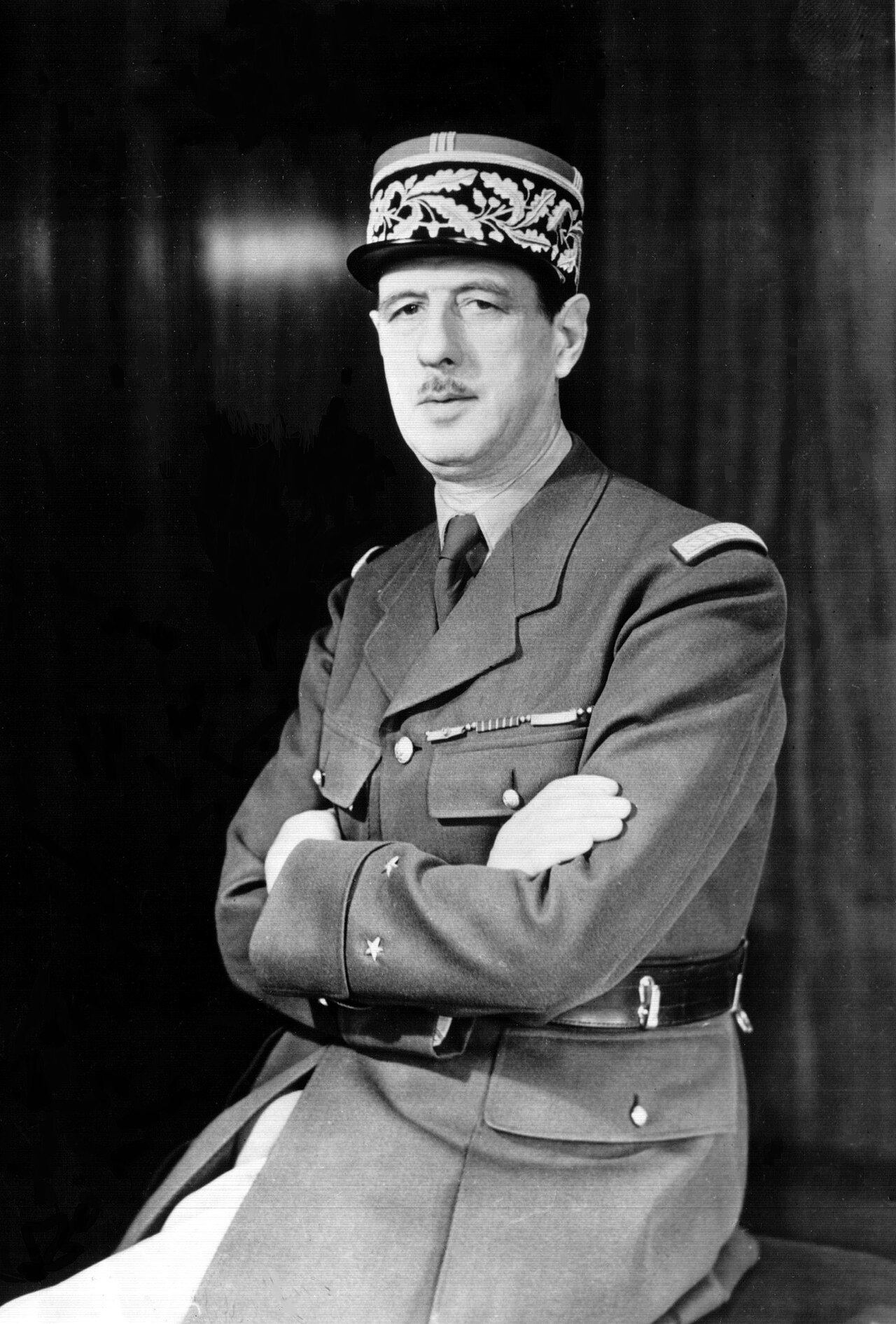
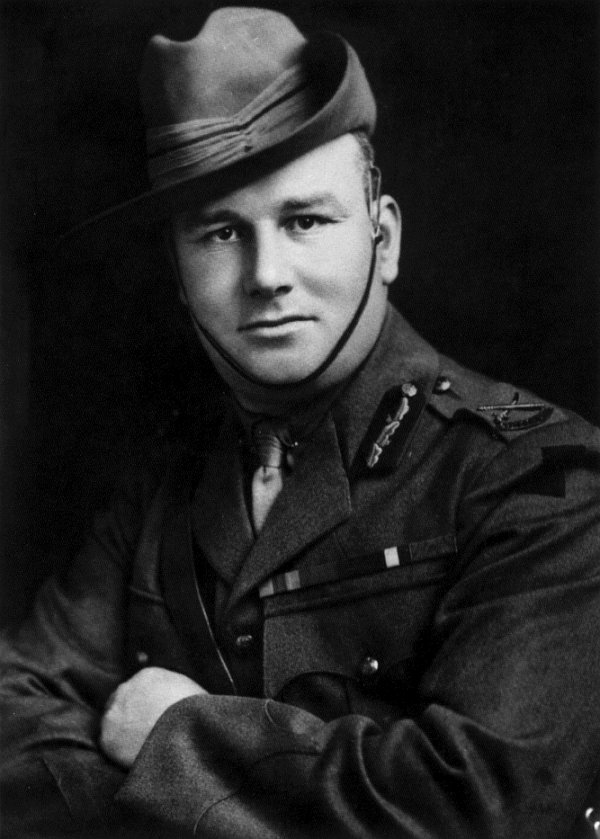
Image gallery
7 Images




Position and insignia
Brigadier general sits between the field officer ranks and the higher generals: it is senior to a colonel and junior to a major general. Across countries the visible insignia and formal style differ, but the one‑star emblem is a widely recognised indicator in many armed forces. Holders may wear distinctive shoulder boards, collars or sleeve insignia depending on national uniform traditions.
National variants and NATO coding
Terminology and formal classification vary. In the United States the rank "brigadier general" is used in the Army, the Air Force and the Marine Corps and corresponds to pay grade O‑7. In the British Army the comparable appointment is titled "brigadier" rather than brigadier general; that appointment is classed under NATO rank codes as OF‑6, a category that groups most one‑star officers. NATO rank mapping is designed to show equivalence but national responsibilities and insignia remain distinct.
Typical duties and examples
- Command of a brigade‑level formation in wartime or large exercises;
- Senior staff appointments at divisional, corps or national headquarters;
- Oversight of training, force generation and inter‑service coordination at a senior level;
- Ceremonial and representational duties, including liaison with civil authorities and allied forces.
History and notable distinctions
The title grew out of early modern European practice as professional armies formed brigades as tactical groupings. Some armies shortened "brigadier general" to "brigadier" for stylistic or historical reasons; others retain the full form. Naval and air services often assign a one‑star equivalent under a different name (for example a commodore or one‑star flag rank), so cross‑service comparisons typically refer to NATO or national pay codes to indicate equivalence.
While the basic concept—a general officer commanding a brigade or filling equivalent senior roles—is common, the precise authority, promotion path and customary duties vary by country and service. For broader context on rank structures and senior officer roles consult service‑specific references and alliance rank tables.
Related entries: major general, colonel, and the British usage brigadier.
Related articles
Author
AlegsaOnline.com Brigadier General Leandro Alegsa
URL: https://en.alegsaonline.com/art/14117