
Quincy, Illinois: Mississippi River city and historic regional center
Quincy is a riverfront city in western Illinois known for 19th-century architecture, a role in the Underground Railroad, regional institutions and German-influenced buildings.
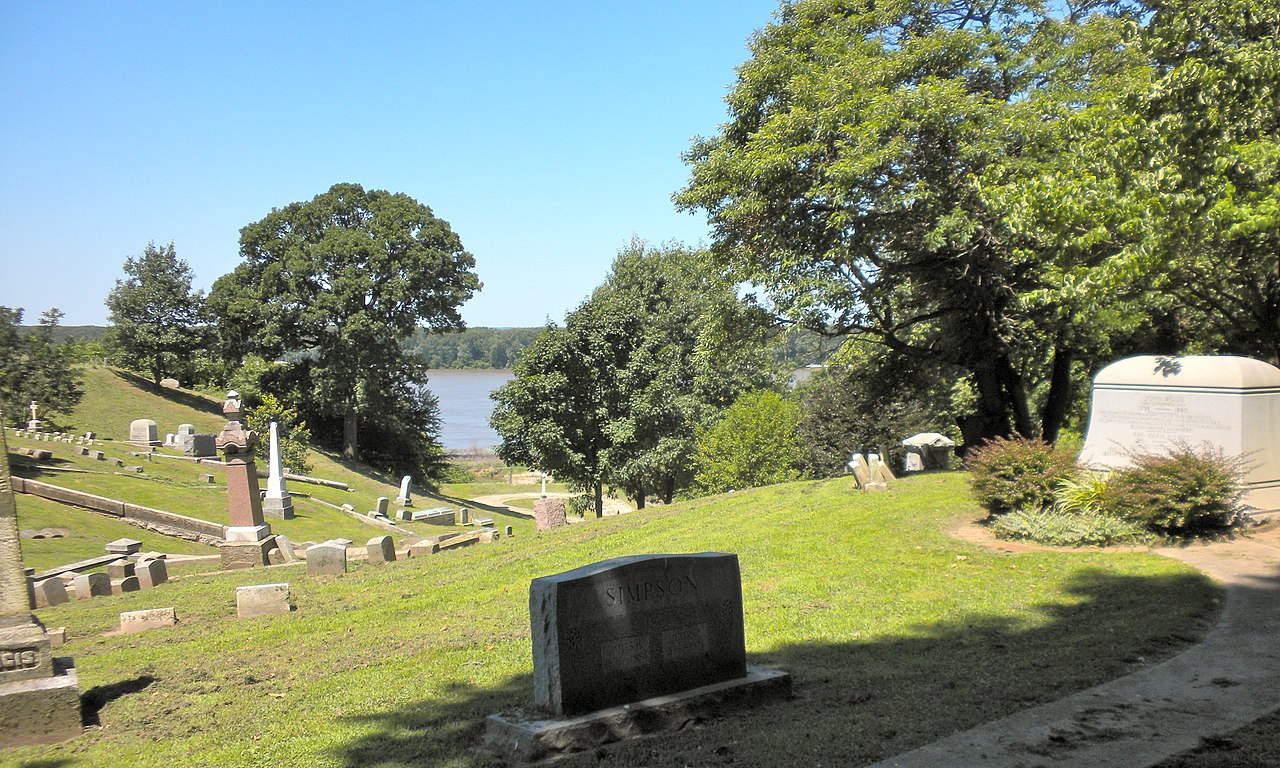
Quincy is a city on the Mississippi River in western Illinois and serves as the county seat of Adams County. Located near the border of the central United States, it developed as a river port and regional market town and is often known locally as the "Gem City." Its location made Quincy a crossroads of river, rail and road transportation from the 19th century onward.
Image gallery
10 Images



History
Founded in the early 19th century and named for John Quincy Adams, the city grew quickly with westward expansion. In the antebellum era Quincy became an important station on the Underground Railroad, helping freedom seekers travel north. Small industries, trade along the Mississippi and waves of immigrants shaped its growth through the 1800s into the 20th century.
Architecture and character
Quincy is notable for a high concentration of well-preserved 19th-century buildings and historic districts. A substantial German immigrant community influenced local culture and building styles; many residences, churches and public buildings display German-influenced detail and craftsmanship. Visitors encounter diverse architectural styles from Italianate and Victorian to commercial brick blocks.
Economy, institutions and culture
The city's economy blends agriculture, manufacturing, health care and education. Quincy is home to regional hospitals and a private university, which contribute to cultural and civic life. The riverfront, parks and museums provide recreational and historical attractions, while local festivals and markets reflect the community's heritage.
Points of interest and identity
- Historic downtown and residential districts with 19th-century architecture
- Riverfront parks and recreational access to the Mississippi
- Local cultural institutions, museums and annual community events
Population figures have varied over time; for example, a U.S. federal count recorded about 40,366 residents around the year 2000. Quincy remains an important regional center in the United States Midwest, balancing its historic character with contemporary services. For more local information see municipal resources about the city and county — for general regional context visit a page about Quincy and cultural references to German immigration and influence.
Related articles
Author
AlegsaOnline.com Quincy, Illinois: Mississippi River city and historic regional center Leandro Alegsa
URL: https://en.alegsaonline.com/art/80570