
Passport (national travel document)
A passport is an official travel document issued by a government that certifies the identity and nationality of its holder and permits international travel and re‑entry.
Overview
A passport is an official document issued by a national government that certifies the identity and citizenship of its bearer for the purpose of international travel. It serves both as proof of nationality and as a request to foreign authorities to allow the holder to enter, leave, or transit their territory. Passports also permit the holder to return to the issuing country and are central to modern border control and identity verification systems.
Image gallery
10 Images




Typical contents and physical features
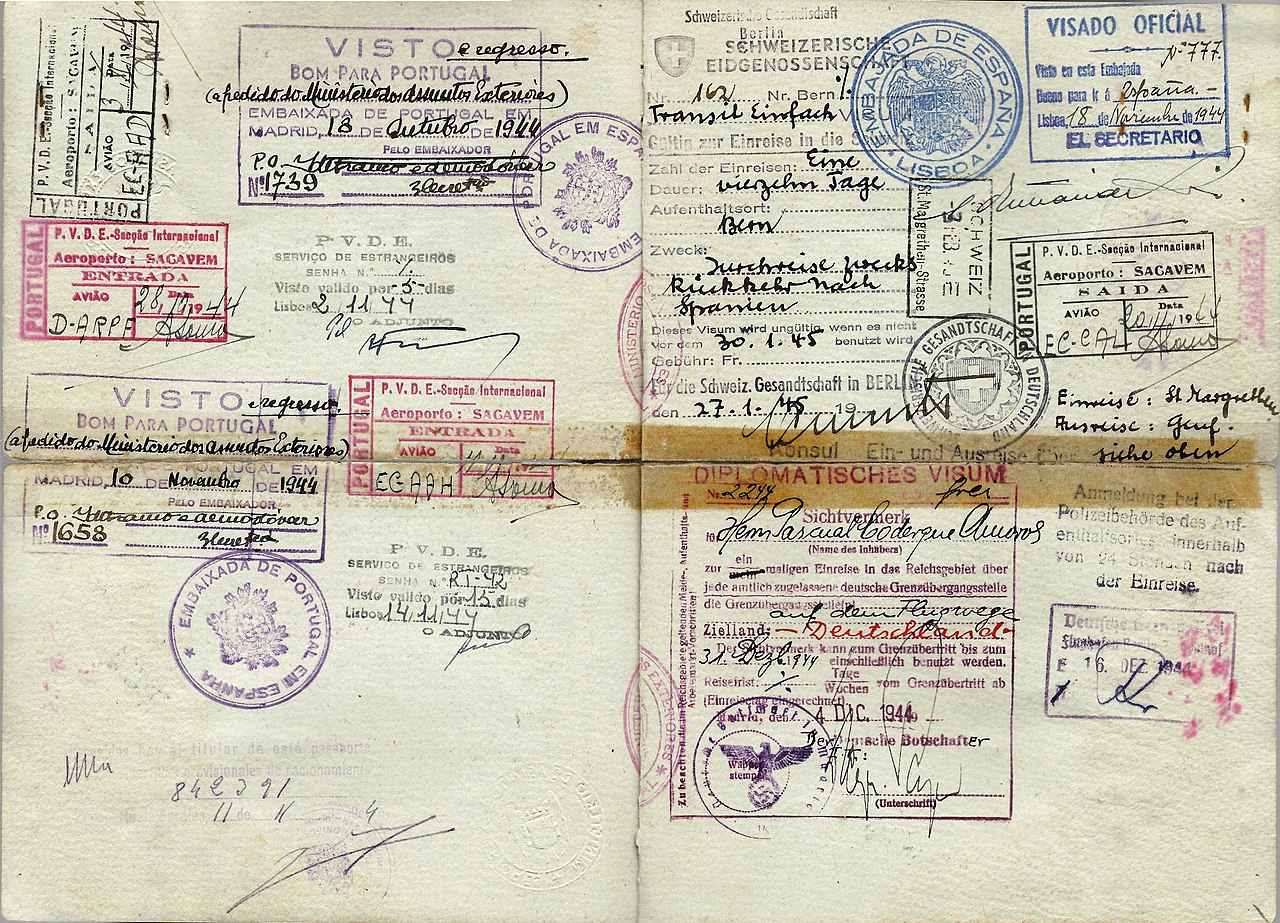
Most passports include a photograph, the holder's full name, date and place of birth, sex, nationality, passport number and dates of issue and expiry. A signature of the bearer and a machine-readable zone (MRZ) are commonly printed to assist automated processing. Modern documents often incorporate security features such as watermarks, holograms, microprinting, and embedded electronic chips that store biometric data.
Biometric passports and international standards
Biometric or "e‑passports" contain an embedded contactless chip that can store a digital facial image and, in some systems, fingerprint or iris data. These features reduce fraud by linking the physical document to unique traits of the holder. International requirements and formats for machine-readable passports and biometric data are coordinated through standards published by intergovernmental bodies to improve compatibility between border‑control systems.
History and language conventions
While documents certifying identity and permission to travel have existed in various forms for centuries, the modern passport system expanded in the 20th century. An early international agreement established a practical convention for the languages and formats used on passports to facilitate cross‑border inspection. Today many countries print data in the issuing state's language and often in a widely used lingua franca to assist foreign authorities.
Types, uses and practical importance
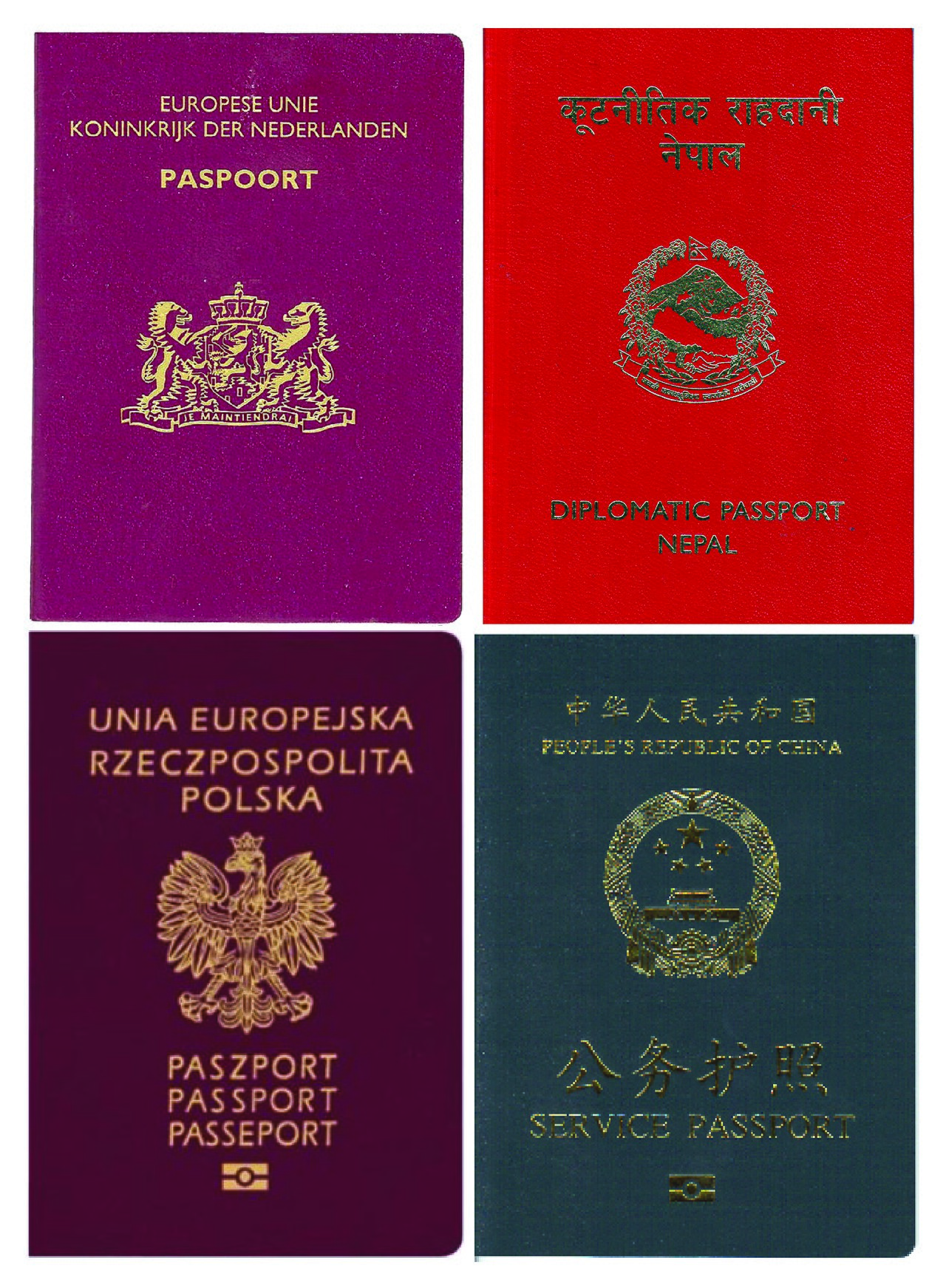
Governments issue several classes of passports: ordinary passports for private citizens, diplomatic passports for accredited diplomats and high officials, and service or official passports for certain government business. Beyond travel, passports are frequently used as primary identity documents for banking, residency registration, and other official transactions. They also play a role in determining immigration status and consular protection abroad.
Security, issuance and continuity
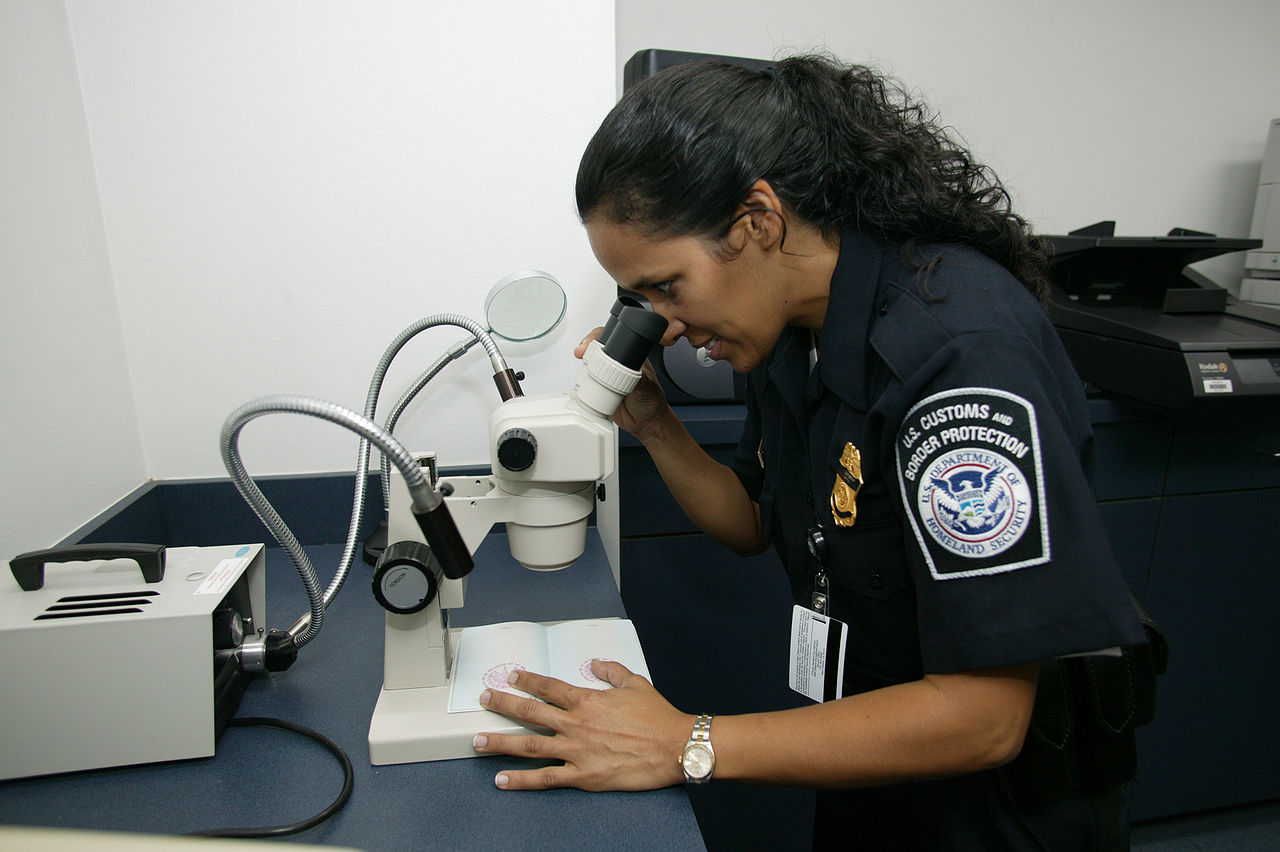
Issuing authorities apply strict identity checks and document controls to prevent forgery and illicit issuance. Many countries have centralized databases and routine checks against watchlists. Passports have expiration dates and must be renewed; changes of name, status, or citizenship may require reissuance. International cooperation continues to evolve as states balance mobility, privacy and security concerns.
Common features and distinctions
- Personal data: photograph, name, date and place of birth, nationality, signature.
- Machine-readable elements: MRZ and barcode for automated processing.
- Electronic features: RFID chip for biometric data in e‑passports.
- Varieties: ordinary, diplomatic, service/official, and emergency travel documents.
Related resources
- travel document
- national governments
- signature
- nationality
- biometric
- Malaysia
- Australia
- Greece
- Israel
- New Zealand
- Japan
- Portugal
- Sweden
- United Kingdom
- Germany
- Ireland
- Poland
- Italy
- Slovenia
- Singapore
- Thailand
- India
- French
- other language
- English
For authoritative and up‑to‑date details about passport issuance, eligibility, and travel requirements, consult the official issuing authority or recognized international standards organizations represented in the links above.
Related articles
Author
AlegsaOnline.com Passport (national travel document) Leandro Alegsa
URL: https://en.alegsaonline.com/art/74947