
Parks Australia — federal management of national parks and protected areas
Parks Australia is the Australian Government agency that manages a network of national parks, botanical gardens and protected areas in federal and external territories, working with traditional owners and partners.
Parks Australia is the Australian Government agency responsible for managing a number of nationally significant protected areas. Its remit covers selected national parks, botanical gardens and conservation reserves that are on Commonwealth land or in external territories. The agency operates under the direction of the Director of National Parks and is connected administratively to the federal environment portfolio (Director of National Parks and department) while carrying out on-the-ground management across parts of Australia.
Parks Australia’s work combines practical land and sea management with planning, visitor services and scientific monitoring. It oversees national parks and conservation areas that fall within Commonwealth responsibility, including sites in external territories and the Australian Capital Territory. The agency’s mandate is distinct from state and territory park services: parks within the six states are generally managed by state agencies, while Commonwealth parks are administered by Parks Australia in the federal territories and particular offshore jurisdictions.
Beyond direct management, Parks Australia provides technical and advisory support to state and territory park agencies and collaborates with local communities. It also supports Indigenous people and organisations in establishing and managing protected lands: the agency assists Indigenous landholders and communities in developing Indigenous Protected Areas and in other partnership arrangements, recognising the role of Indigenous custodianship in conserving cultural and biological values.
Image gallery
1 Image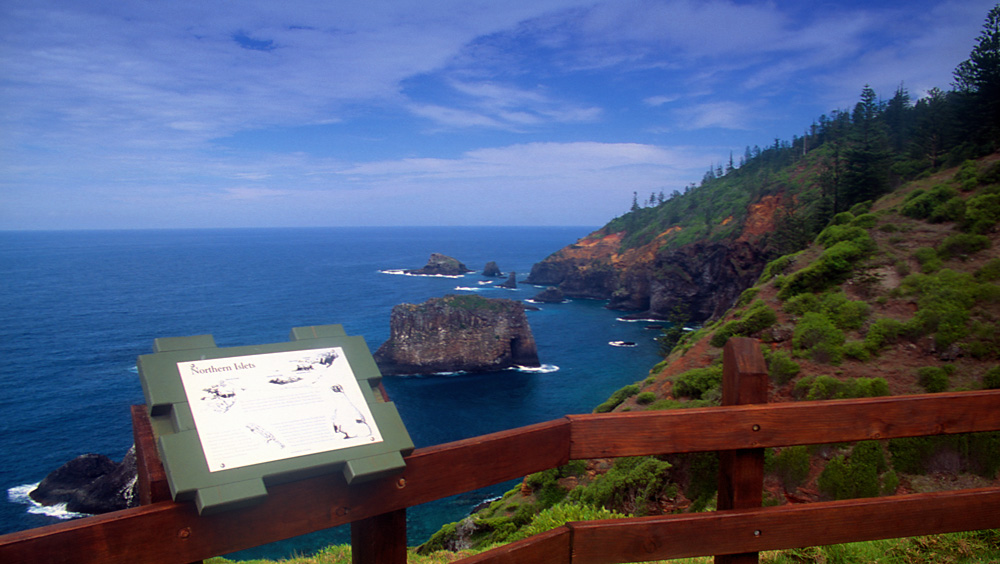
Major parks and gardens managed
- Booderee National Park and Botanic Gardens — a combined park and garden in the Jervis Bay area that preserves coastal, forest and cultural landscapes.
- Christmas Island National Park — an island reserve notable for its endemic species and migratory seabird colonies.
- Kakadu National Park — a large landscape in the Northern Territory that contains rich Aboriginal cultural sites and diverse ecosystems.
- Norfolk Island National Park — protecting island forests, marine margins and heritage values in the Norfolk Island territory.
- Pulu Keeling National Park — a small but ecologically significant reserve in the Cocos (Keeling) Islands group.
- Uluṟu‑Kata Tjuṯa National Park — an iconic central Australian park managed in a joint arrangement that recognises traditional owners.
- Australian National Botanic Gardens — one of the botanical gardens under Commonwealth care and used for conservation, research and public education.
Management approaches vary by site. Several parks are operated through formal joint-management agreements with traditional owners and local communities, combining Indigenous governance and contemporary conservation science (joint management arrangements). Others are remote or offshore, requiring tailored marine and biosecurity programs. In all cases Parks Australia balances conservation objectives with public access, cultural heritage protection and research support.
History, role and significance
The federal role in protected-area management developed to address places of national and international importance that lie outside state systems. Over time Parks Australia has taken on responsibilities that span biodiversity conservation, visitor services, emergency response and heritage management. Its work ensures that Commonwealth reserves contribute to national conservation targets, provide opportunities for scientific study, and maintain sites of cultural significance for present and future generations.
Related articles
Author
AlegsaOnline.com Parks Australia — federal management of national parks and protected areas Leandro Alegsa
URL: https://en.alegsaonline.com/art/74731
Sources
- environment.gov.au : "Parks Australia"