
Parliament of Canada: Role, Structure, and History
Overview of Canada's federal legislature, its components (Monarch/Governor General, Senate, House of Commons), functions, historical development, procedures, and notable characteristics.
The Parliament of Canada (French: Parlement du Canada) is the federal legislature responsible for making national laws and holding the government to account. It is the central institution of Canadian democracy and operates within a constitutional framework that combines elements of parliamentary government and a constitutional monarchy. The institution is commonly identified with its seat on Parliament Hill in Ottawa, and as the national legislative branch for Canada it shapes public policy, approves budgets, and debates national issues.
Image gallery
9 Images
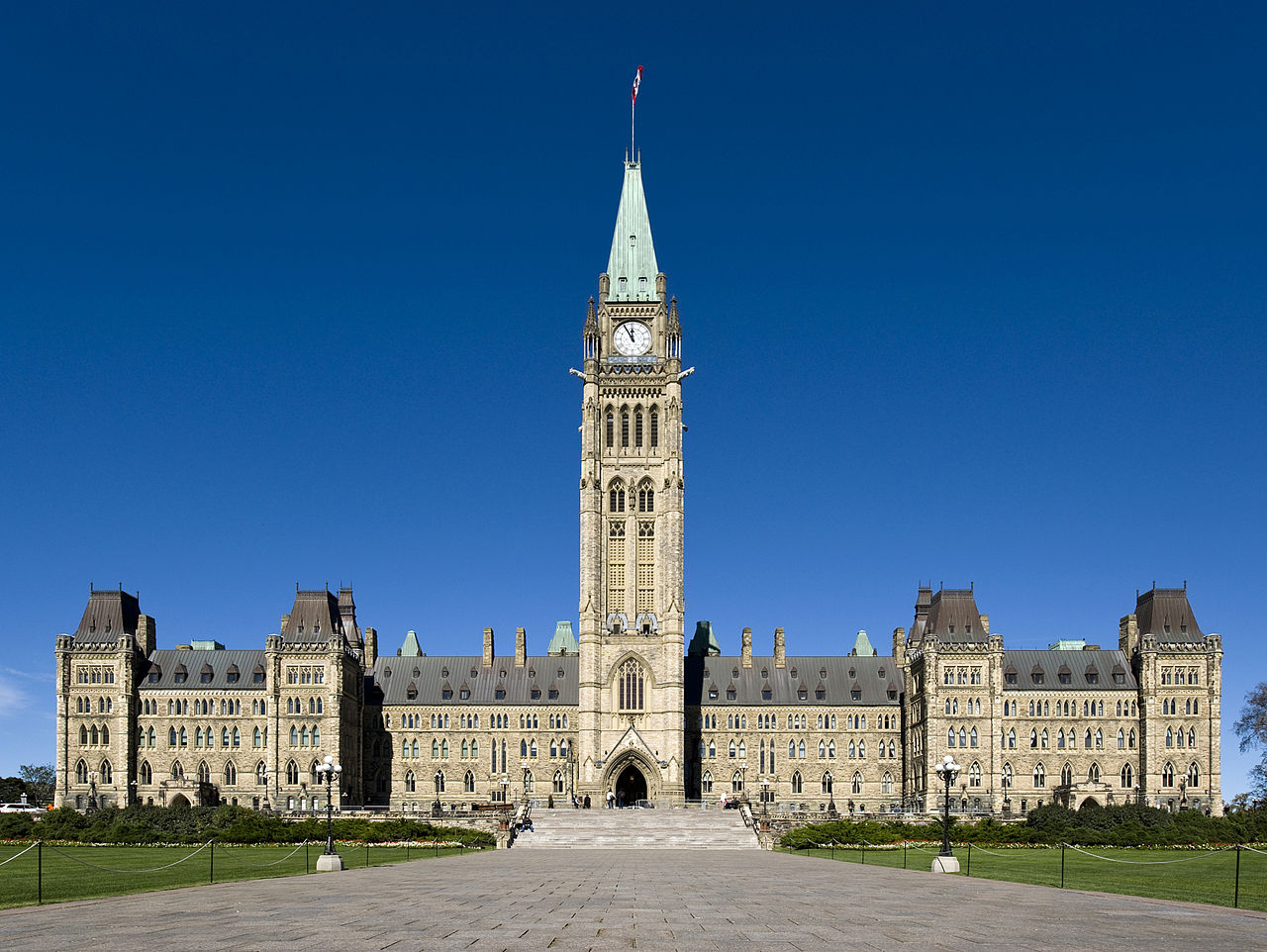


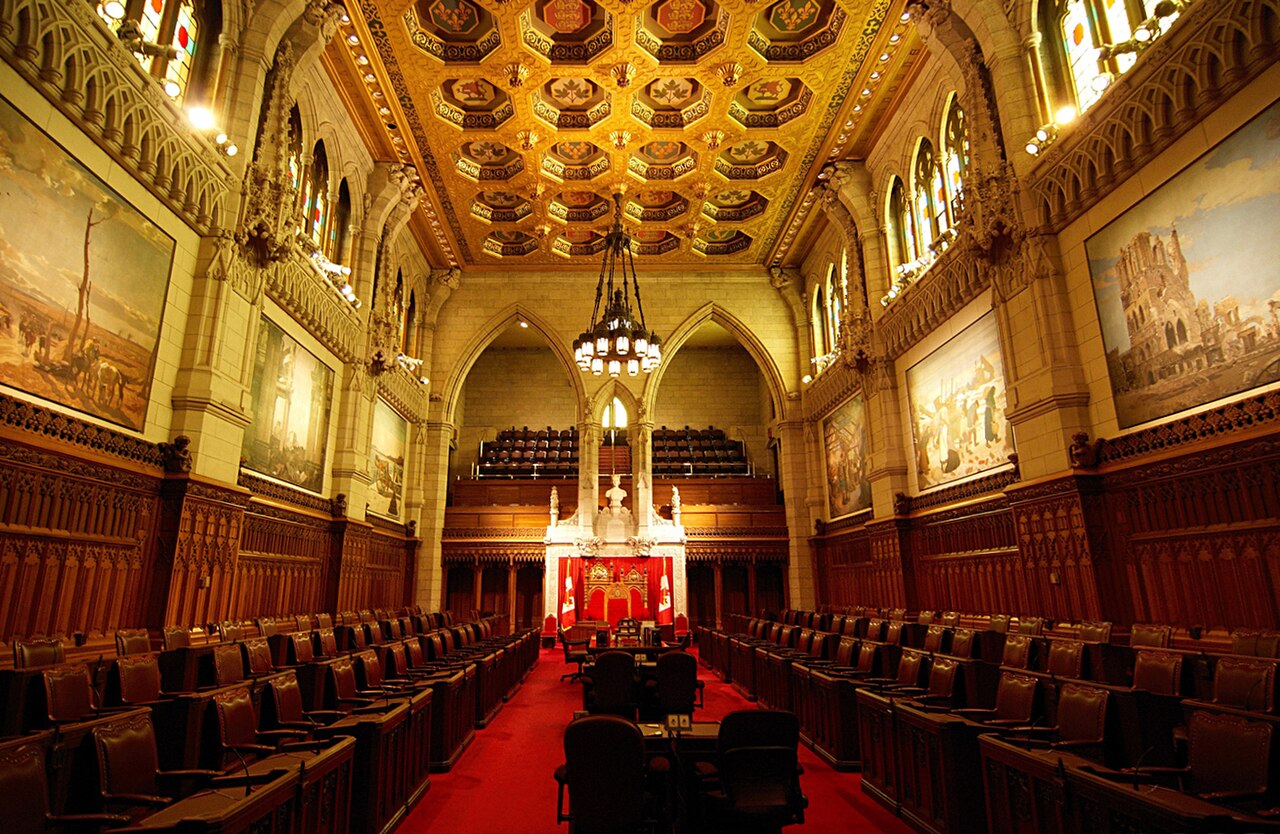


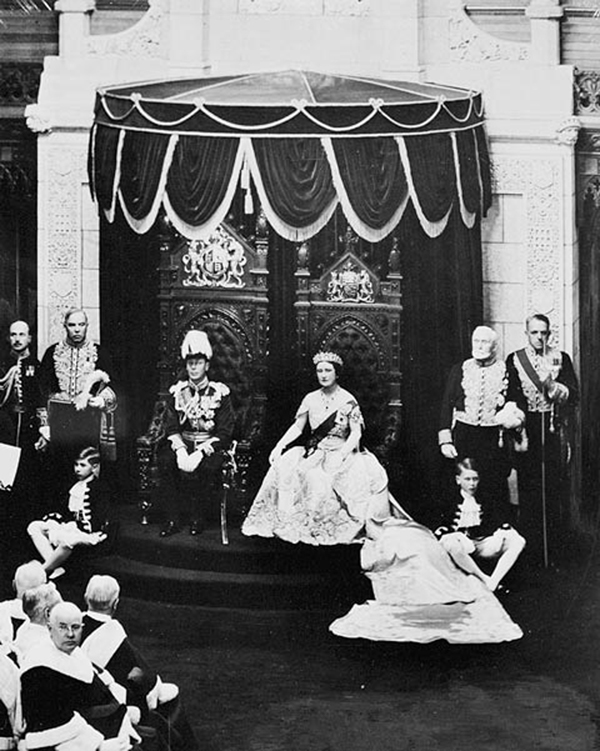
Composition and main parts
- The Sovereign — the monarch is the ceremonial head of state, represented in Canada by the Governor General, who gives royal assent to bills.
- The Senate — an appointed upper chamber that reviews legislation and represents regional interests.
- The House of Commons — the elected lower chamber where Members of Parliament debate and pass legislation; the government must maintain confidence here.
Parliamentary activity includes committee inquiry, Question Period, supply and appropriation of public funds, and the formal opening ceremonies such as the Speech from the Throne. Its bilingual practices reflect Canada's English and French traditions and the institution operates under written laws, conventions, and standing orders.
History and development
Canada's parliamentary system evolved from British models after Confederation. Over time it has adapted to federalism, regional representation, and the expansion of democratic rights. Institutional reforms and changing political practices have influenced how power is shared among chambers and how governments are held to account.
Key functions are lawmaking, scrutiny of the executive, and representing citizens. Committees examine detailed policy and legislation, while plenary debates shape public record. For information on legislative processes, procedures, and public access to records, consult official resources linked here: legislative branch overview and additional guides at official bilingual pages and other parliamentary materials (Ottawa visitor info, Parliament Hill resources).
Related articles
Author
AlegsaOnline.com Parliament of Canada: Role, Structure, and History Leandro Alegsa
URL: https://en.alegsaonline.com/art/74741