
Aboriginal title: indigenous land rights under common law
Aboriginal title is a legal doctrine recognizing that indigenous peoples retain rights to their traditional land after state sovereignty; recognition, scope and proof vary by jurisdiction.
Overview
Aboriginal title is a legal doctrine developed within common law systems that recognizes the continuing property or proprietary rights of indigenous peoples in their traditional territories. The doctrine holds that those rights did not automatically vanish when colonial governments asserted sovereignty; instead, they survive in a form that may be acknowledged, defined, or limited by later statutes or court decisions. In many countries the concept is referred to interchangeably as indigenous title, native title or customary title.
Image gallery
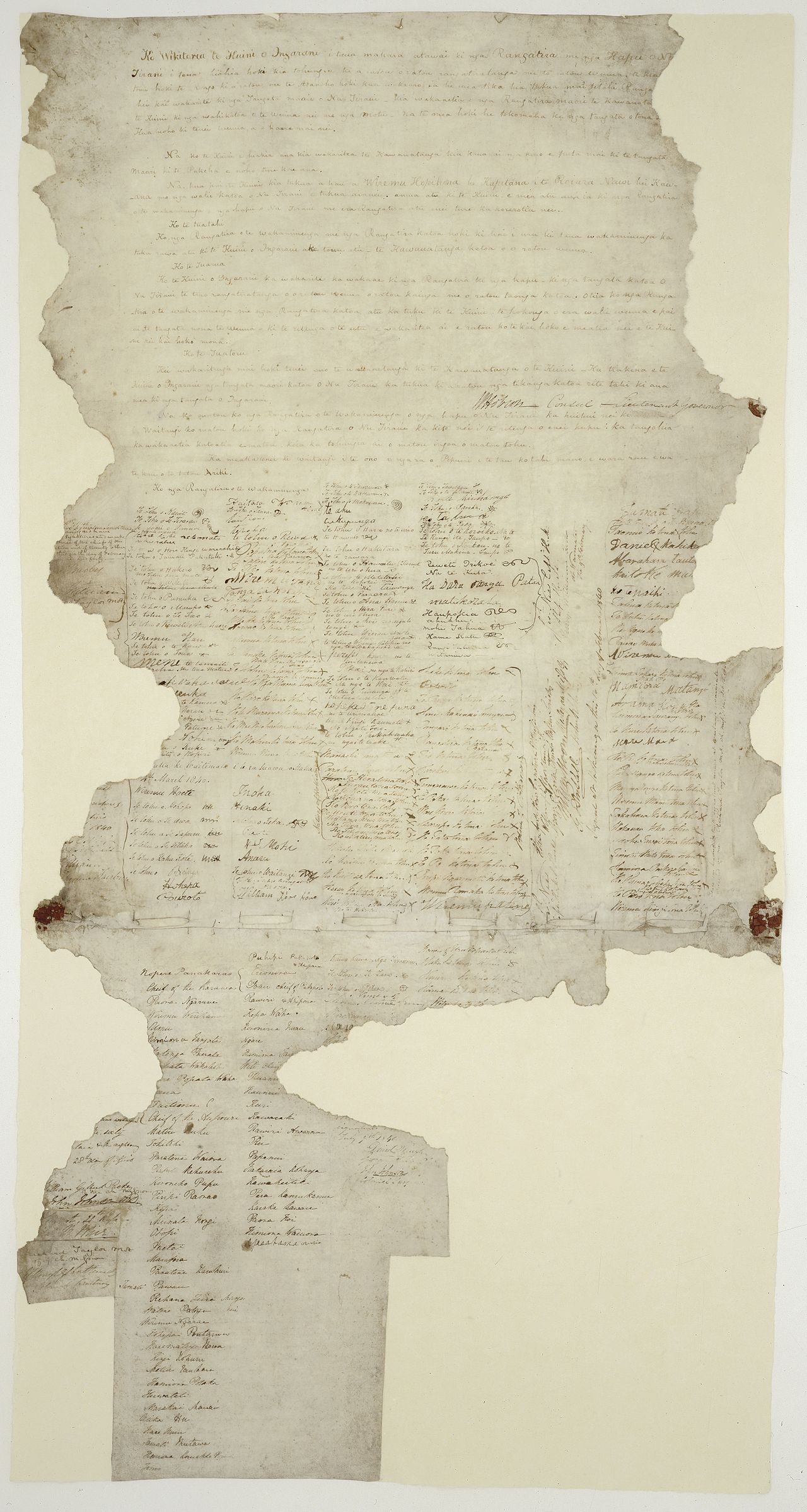
5 Images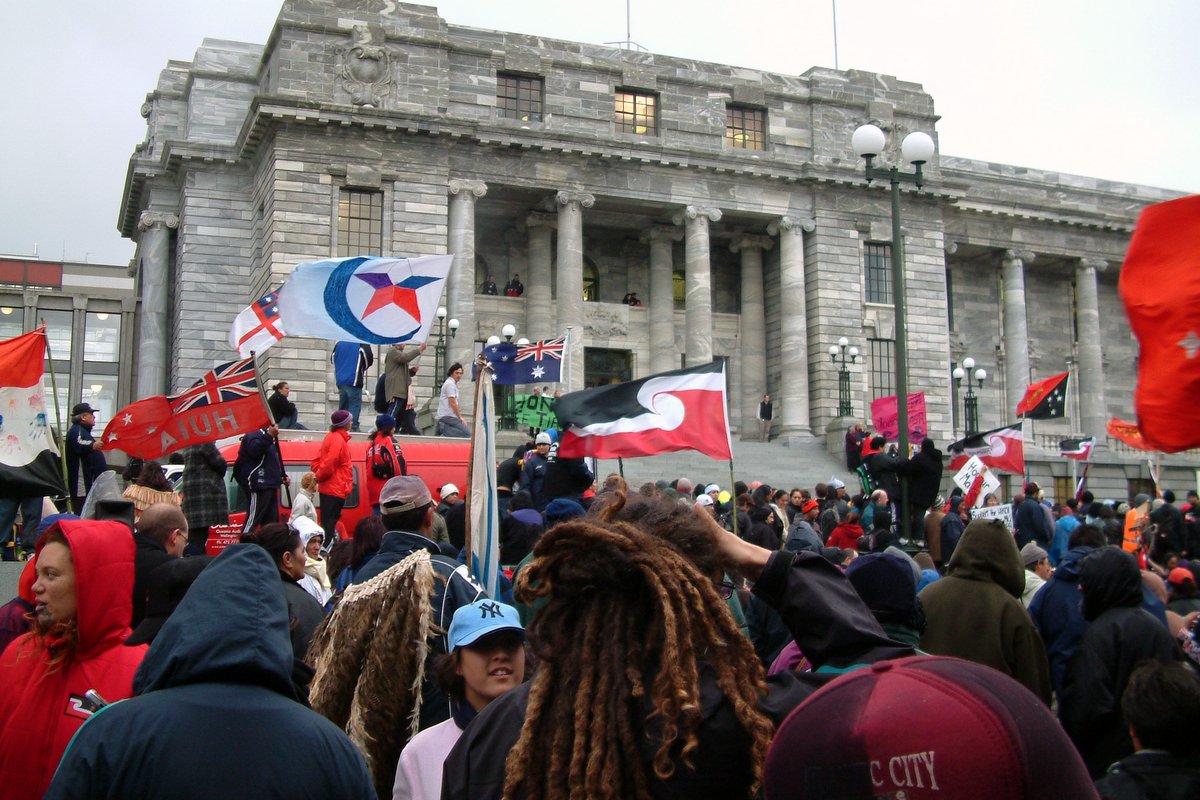



Legal characteristics
Where courts or legislatures have recognised aboriginal title, several recurring features appear. Title is often inheritable across generations and may be held by individuals, families, clans or defined collectives. In some jurisdictions recognised title is inalienable—that is, it cannot be freely sold or transferred except to the state or under special conditions established by law. The precise content of rights can include exclusive occupation, rights to natural resources, or more limited use and access rights; the degree of exclusivity is determined case by case.
Historical development and key jurisdictions
The modern doctrine has evolved through litigation and legislation in several common law countries. Early judicial statements framed the idea that pre-existing indigenous interests could persist despite a change of sovereignty. Significant bodies of case law and statute appear in Australia, Canada, New Zealand, the United States and Malaysia, among others, where courts have grappled with how customary practices, long occupation, and spiritual associations with land translate into legal title.
How recognition is established
The requirements for proving aboriginal title differ by jurisdiction. Courts typically require evidence that a people occupied or used the land according to their customs before the assertion of colonial sovereignty and that those connections continued over time. Evidence may include oral histories, archaeological data, documents created by early visitors, and testimony about customary governance. In many legal systems statutory schemes now exist that set formal procedures for registering claims, negotiating agreements, or litigating title.
Uses, importance and controversies
Recognised aboriginal title can have profound consequences for land management, resource development, conservation and cultural survival. It can provide communities a legal basis to control land use, protect sacred sites, and negotiate benefits from extractive projects. At the same time, disputes may arise over the boundaries of title, compensation where Crown lands are taken for public use, and the relationship between indigenous governance and state regulation. These tensions have produced landmark cases and political reforms.
Notable distinctions and resources
Aboriginal title differs from statutory land grants or modern fee simple ownership: it springs from customary use and recognition rather than from a sovereign's grant. The doctrine is shaped by national legal traditions and by the particular histories of colonisation and indigenous resistance. For general legal context see common law doctrine; for discussions of the underlying rights see indigenous rights and indigenous peoples. For terms related to territory and occupation see traditional land and the effects of transferred sovereignty after colonisation by settler powers and colonial states.
- Inheritance and descent: how title passes within communities.
- Descendant rights: continuity of membership and entitlement.
- Notable national contexts: Canada, Malaysia, New Zealand, United States.
Further reading and legal materials are available through jurisdictional reports, court decisions and scholarly summaries that explain how aboriginal title has been asserted and adapted to modern governance. These resources highlight both the promise of legal recognition and the practical challenges faced by indigenous communities in securing and exercising land-based rights.
Tags
Related articles
Author
AlegsaOnline.com Aboriginal title: indigenous land rights under common law Leandro Alegsa
URL: https://en.alegsaonline.com/art/467