
Parliament of Eswatini (Libandla)
The Parliament of Eswatini, known in Swazi as Libandla, is the kingdom’s bicameral legislature—an upper Senate and lower House of Assembly—based in Lobamba and operating within Eswatini’s monarchical framework.
The Parliament of Eswatini is the national legislature of the kingdom, commonly referred to in the Swazi language as Libandla. It performs the formal role of making and reviewing legislation for the country of Eswatini, operating within a political system in which the monarch retains substantial powers.
Image gallery
4 Images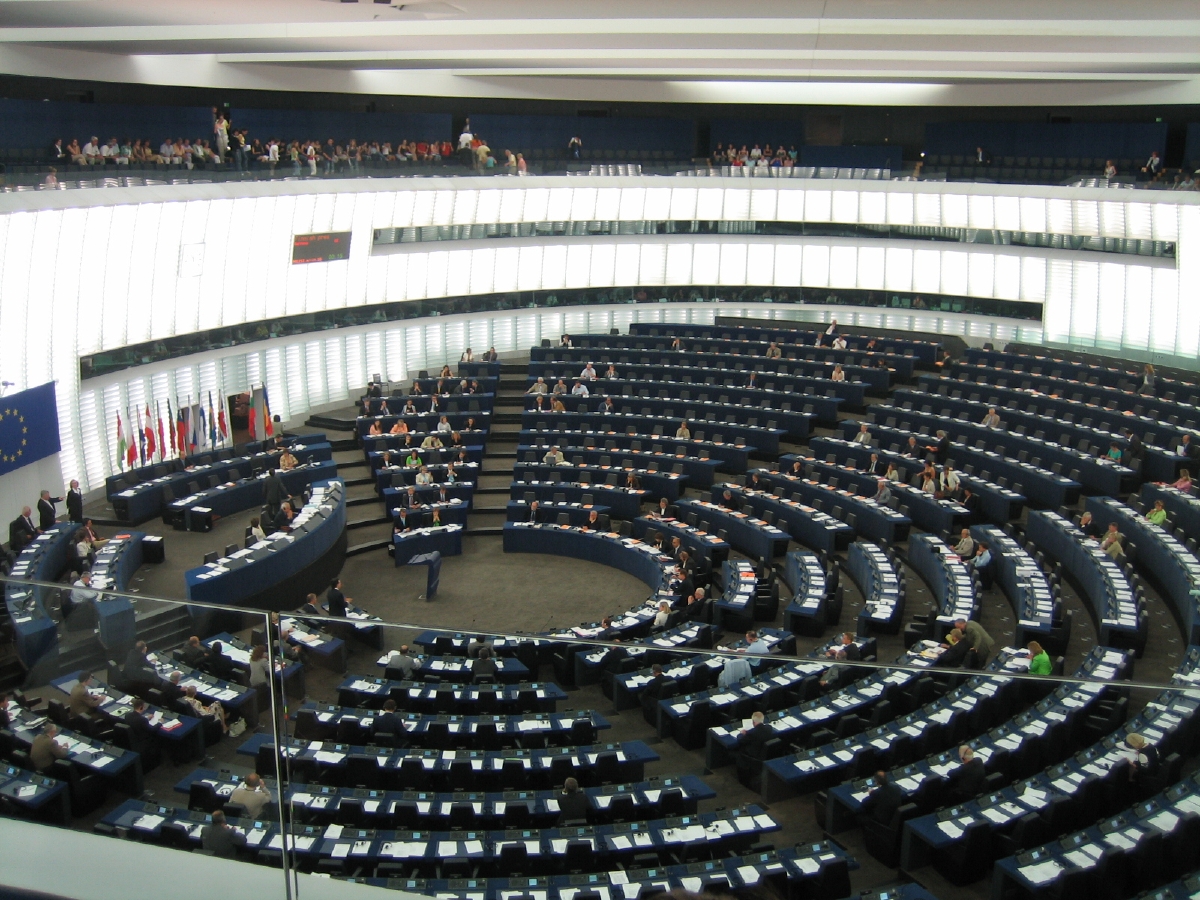


Structure and chambers
The body is bicameral, composed of two distinct chambers:
- Senate (Upper Chamber) — a revising chamber whose membership is drawn from a combination of royal appointment and selection by the lower house.
- House of Assembly (Lower Chamber) — the principal chamber for initiating and debating legislation; it includes members chosen through constituency processes as well as a limited number appointed to represent particular interests.
Functions and legislative process
Parliament is responsible for considering bills, debating national policy, and providing a forum for public issues. Legislation typically moves from the House of Assembly to the Senate for review; both chambers participate in scrutiny, amendment and approval. Final enactment requires the formal assent of the monarch, reflecting the constitutional role of the crown in Eswatini’s legal order.
Membership, selection and role
Membership combines elected representatives and members who enter by royal nomination or selection by peers. Elected members represent electoral constituencies, while appointed seats allow the monarch and traditional authorities to ensure representation of particular social groups and expertise. Parliament also contains officers such as presiding speakers and committees that oversee aspects of governance, though their authority operates alongside the prerogatives of the royal administration.
History, context and debates
The parliamentary system in Eswatini developed within the country’s modern state framework and the customs of Swazi governance. Over time it has reflected a balance between elected representation and traditional authority. The institution is often discussed in the context of broader debates on constitutional reform, the scope of parliamentary independence and the relationship between democratic institutions and the monarchy.
Location and notable facts
Both chambers meet in the royal legislative capital of Lobamba, where national ceremonies and significant parliamentary sessions are held. While Libandla performs the practical tasks of lawmaking and public deliberation, its powers and procedures are shaped by the country’s monarchical constitution and customary political practices.
Related articles
Author
AlegsaOnline.com Parliament of Eswatini (Libandla) Leandro Alegsa
URL: https://en.alegsaonline.com/art/74735