
Paraffin wax
Paraffin wax is a low-reactivity, white to off-white solid of long-chain alkanes (typically C20–C40), produced mainly from petroleum refining and used in candles, coatings, cosmetics, food and industrial applications.
Overview
Paraffin wax refers to the solid fraction of saturated hydrocarbons known as alkanes, typically composed predominantly of straight-chain molecules with the general formula CnH2n+2. In chemical contexts the term alkane identifies these saturated hydrocarbons, which form a subset of broader hydrocarbons. Paraffin wax grades are generally those mixtures whose principal components have carbon chain lengths in the approximate range C20 to C40; lighter alkanes such as methane are gases at ambient temperature, and intermediate members like octane are liquids.
Image gallery
4 Images


Physical and chemical properties
Typical paraffin wax is white or off-white, odorless, tasteless and solid at room temperature. It is nonpolar, insoluble in water and has low chemical reactivity compared with many other organic substances. Melting points vary with grade and composition but commonly fall between roughly 40 °C and 70 °C. Paraffin is combustible and produces soot and volatile organics when burned in incomplete combustion; however, acute systemic toxicity of refined paraffin wax is low. The technical term paraffin wax is used for the commercially produced solid mixtures processed from petroleum or other hydrocarbon feedstocks.
Production
Most commercial paraffin wax is obtained during petroleum refining, where lubricating oil fractions are dewaxed to yield solid paraffinic material. Historically paraffin-like substances were also isolated from coal-tar processing. Synthetic routes exist (for example via Fischer–Tropsch synthesis) to produce paraffin materials on an industrial scale. Further refining and blending create grades tailored for specific performance characteristics such as hardness, clarity and melting range.
Uses
Paraffin wax has a broad range of applications that take advantage of its melting behavior, hydrophobicity and electrical insulating properties. Common uses include:
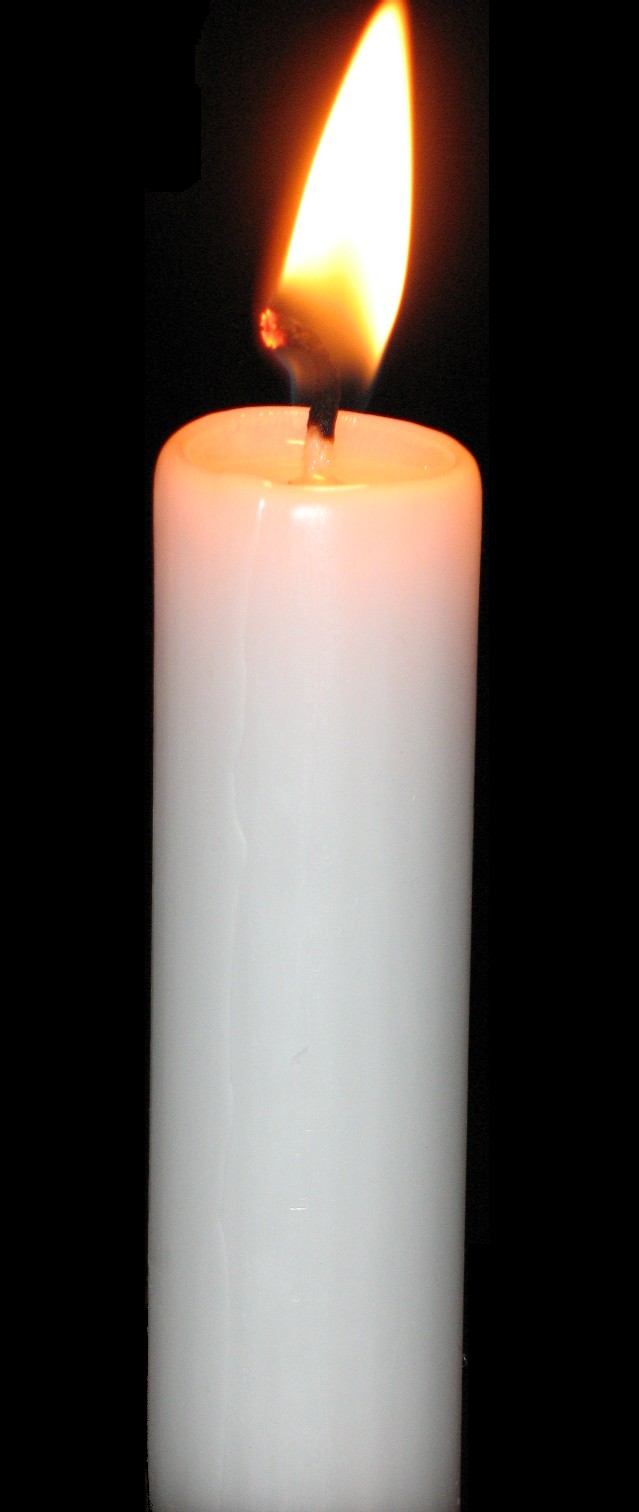
- candles and candle additives to modify burn and appearance;
- coatings and polishes for paper, wood, metal and packaging;
- cosmetic and pharmaceutical formulations as emollients, stabilizers or bases;
- food-processing release agents and coatings for confectionery and produce;
- insulation, mold release, lubricants and arts-and-crafts (encaustic painting, crayons).
Grades, alternatives and terminology
Waxes are distinguished by chain length and microstructure: straight-chain paraffins form harder, crystalline waxes while more branched mixtures (microcrystalline waxes) are softer and tackier. Natural waxes such as beeswax and carnauba differ chemically and are used where different melting points or biodegradability are required. Note that in some regions the word "paraffin" means a liquid fuel: paraffin oil in British and South African usage corresponds to what is commonly called kerosene in other countries. The name derives from Latin roots (parum + affinis) indicating low affinity or reactivity, a reference to the chemical inertness of saturated hydrocarbons (reactivity).
Safety and environmental considerations
Refined paraffin wax has low acute toxicity but can present inhalation or aspiration hazards in molten form; burns from hot wax are a common risk in handling and candle-making. Combustion byproducts depend on conditions; adequate ventilation and flame safety are advised when burning wax-containing products. As a petroleum-derived material, paraffin wax is not rapidly biodegradable and its environmental impacts are tied to source feedstock and end-of-life management; recycling of wax and proper disposal reduce waste. Industrial uses are regulated and users should follow material safety data sheets and local regulations when storing, using and disposing of paraffin wax.
History
Substances recognized as paraffins were identified in the 19th century during development of coal-tar and petroleum refining; Carl Reichenbach is often cited for early work around 1830. Over time industrial refining has produced a wide variety of paraffin grades used in everyday and specialized applications.
Related articles
Author
AlegsaOnline.com Paraffin wax Leandro Alegsa
URL: https://en.alegsaonline.com/art/74515