
Pala Empire: Buddhist rulers of Bengal and Bihar (8th–12th centuries)
Medieval Indian dynasty centered in Bengal and Bihar (8th–12th c.), noted for Buddhist learning, monasteries such as Nalanda and Vikramashila, distinctive art, and links with Tibet and Southeast Asia.
The Pala Empire was a medieval South Asian dynasty that held sway over large parts of the northern and eastern Indian subcontinent. Its core territories lay in the regions now known as Bengal and Bihar, and its rulers used the suffix "-pala" meaning "protector" in their names. The polity emerged in the 8th century and remained a significant power into the 12th century, participating in the era's shifting alliances and rivalries across the plains of northern India. Regional overview
Image gallery
10 Images




Political development and rulers
The dynasty is commonly dated from the mid-8th century with the election or rise of its founder, and it reached notable strength under rulers such as Dharmapala and Devapala. The Palas expanded influence through military campaigns and diplomacy, often contending with contemporary powers for control of strategic cities and trade routes. A later phase saw revival under kings like Mahipala before gradual decline and displacement by other regional dynasties. Political history
Cultural and religious character
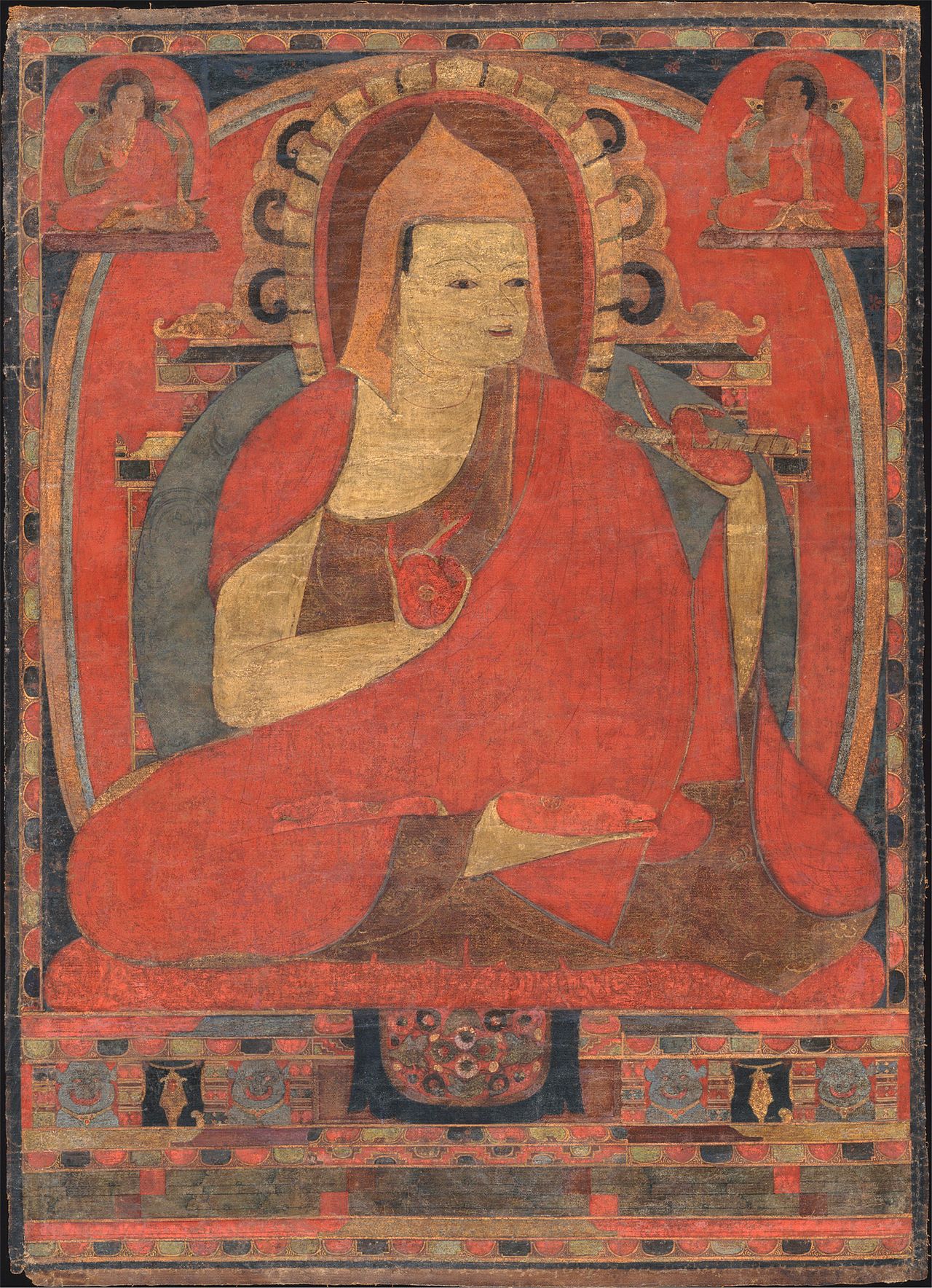
Although the Pala court patronized a range of traditions, it is particularly remembered for supporting Buddhist institutions and learning. Major monastic universities and centers of scholarship—most famously Nalanda, Vikramashila and Somapura Mahavihara—flourished with Pala backing and drew students from across Asia. Influential monks and scholars associated with the period helped transmit Mahayana and Vajrayana teachings to Tibet and Southeast Asia. Buddhist patronage
Art, economy and society
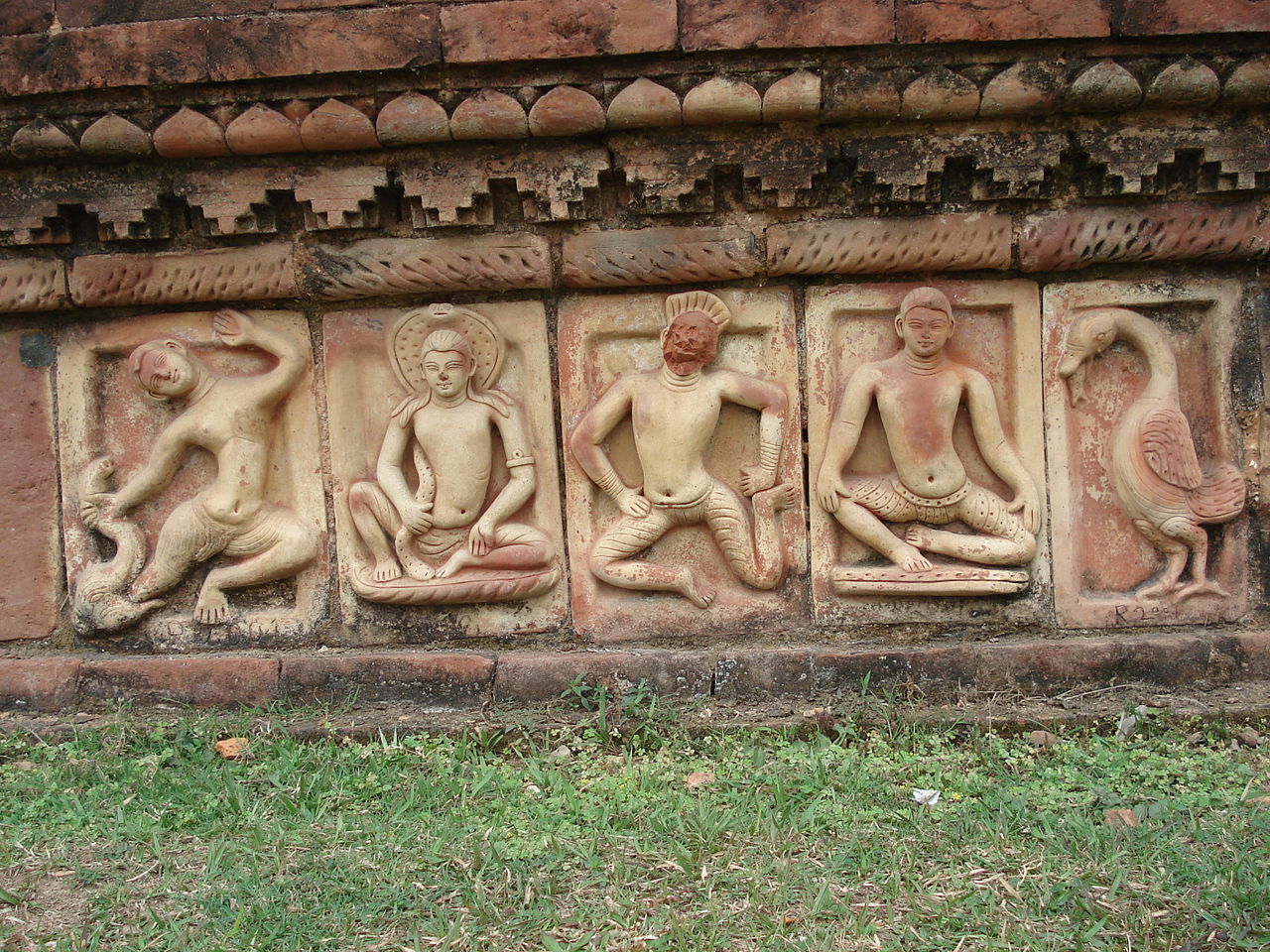
Pala patronage stimulated a distinct artistic and sculptural style seen in stone and metalwork, now often categorized as Pala art. The economy rested on intensive agriculture, craft production, and regional and maritime trade across the Bay of Bengal. Urban centers and monastery complexes functioned as nodes of production, education and pilgrimage, shaping local society and long-distance cultural exchange. Art and economy
Legacy and distinctions
The Palas left a durable legacy in South Asian religious history, art history, and the geography of Buddhist learning. Their monuments and manuscripts influenced artistic schools beyond their borders and helped transmit Buddhist ideas to Tibet and Southeast Asia. The dynasty's decline in the 12th century led to new political configurations, but the cultural institutions they supported continued to affect the region's intellectual life for centuries.
Key points
- Core domain in Bengal and Bihar; rulers used the suffix "-pala" (protector).
- Strongly associated with Buddhist monastic universities and international scholarship.
- Produced a recognizable style of religious sculpture and bronze work.
- Played a role in the regional balance of power during the early medieval period.
Related articles
Author
AlegsaOnline.com Pala Empire: Buddhist rulers of Bengal and Bihar (8th–12th centuries) Leandro Alegsa
URL: https://en.alegsaonline.com/art/74097
Sources
- books.google.com : Dynastic History of Magadha, Cir. 450–1200 A.D.
- books.google.com : Ancient India, History and Archaeology
- books.google.com : The "Påala-Sena" Schools of Sculpture