
Paladin: historical office, medieval champion, and modern cultural figure
Paladin: originally a Roman palace official, later a high medieval noble or papal officer, famed in chansons de geste as Charlemagne’s champions and today a symbol in chivalric ideals and fantasy fiction.
Paladin is a term with layered meanings that evolved from a concrete administrative role in antiquity to a literary and cultural archetype. Historically the word referred to officials associated with a ruler's palace and later to senior nobles or clerical officers. In medieval and early modern usage the title signified high status; in literature and popular culture it came to denote an idealized knight or champion of virtue.
Image gallery
5 Images


Origins and official roles
The name derives from the Latin palatinus, originally applied in Ancient Rome to attendants and officials attached to the imperial household. Emperors employed a palace guard known in late antiquity as the Scholae Palatinae, and the word palatinus also identified a chamberlain or other senior court functionary. As political institutions changed, so did the term: in the early Middle Ages and beyond, palatine offices could be secular or ecclesiastical, including high-ranking servants of the papacy and territorial magnates in the Holy Roman Empire known as Counts Palatine.
Medieval literature and the martial ideal
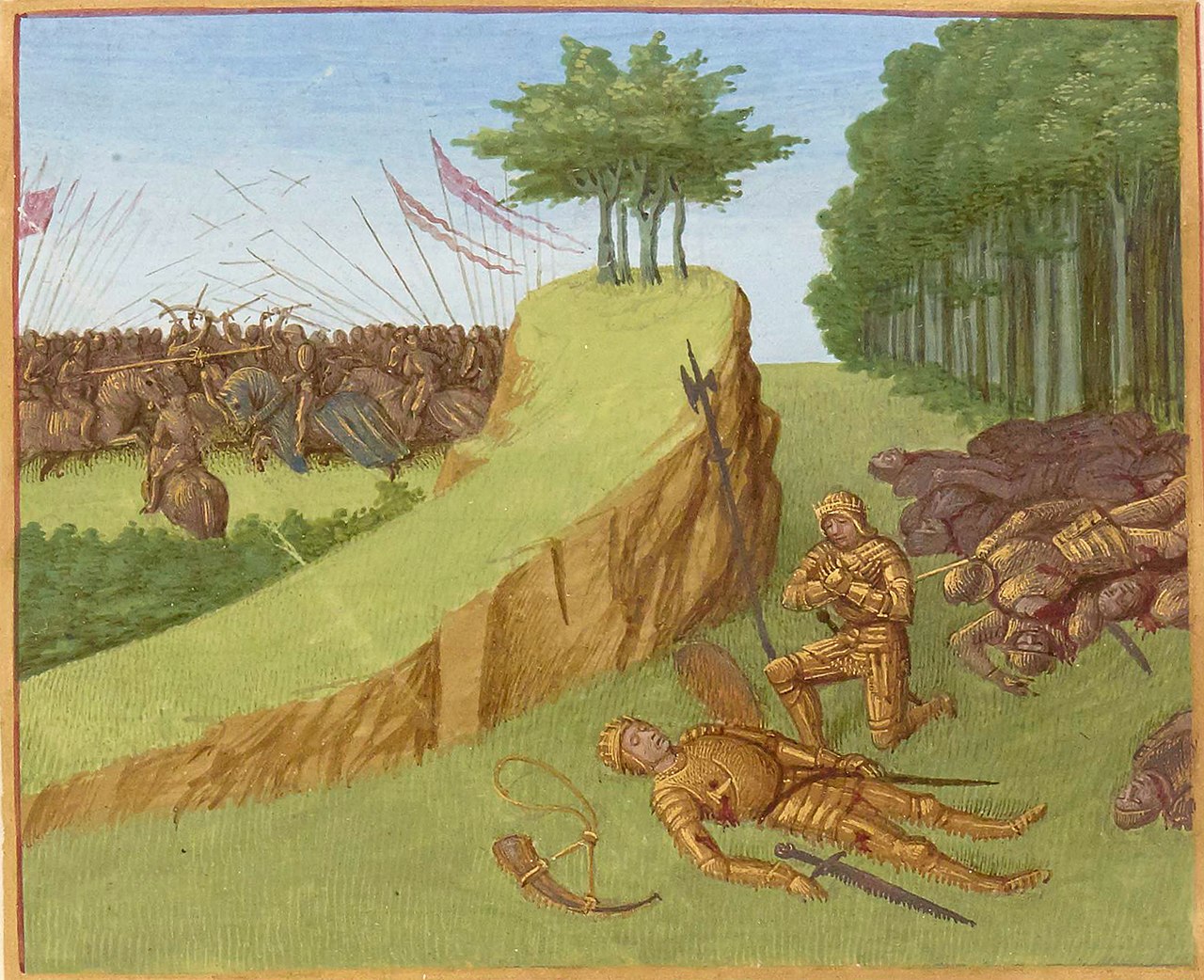
Alongside administrative meanings, paladin entered the realm of epic storytelling. In the Matter of France, the paladins are the foremost warriors who serve Charlemagne. The group commonly called the Twelve Peers (or paladins) supplies the central model of a loyal, valorous retainer in chansons de geste and related romances. Through these texts the term became closely associated with a knightly figure renowned for honor and prowess, and the popular image of a paladin as an exemplary knight took firm hold across Europe.
Later administrative and regional uses
Beyond literature, palatine titles persisted in varied forms. Monarchs and states used the adjective or title to indicate special local authority; for example, palatine jurisdictions appeared in parts of Europe during the early modern era. The label was also revived or sustained in national contexts such as Hungary, the German Empire, and institutions in the United Kingdom, where palatine or paladin-related offices reflected historic privileges or ceremonial functions.
Characteristics, cultural legacy, and modern meanings
- Official authority: originally connected to the sovereign's palace and legal or military powers delegated by the ruler.
- Chivalric ideal: literary paladins embody courage, fidelity, and courtly service.
- Symbolic role: in later centuries the word came to mean a champion, protector, or prominent advocate of a cause.
- Popular culture: from the 19th century onward, fiction and entertainment have used the paladin as a template for heroic characters in historical novels, fantasy literature, and role‑playing games.
Distinctions and notable points
It is important to distinguish the original institutional titles from the literary and modern senses. A Count Palatine was a concrete feudal or judicial position with specific duties and privileges; a paladin in narrative tradition is an archetype shaped by storytelling conventions. Over time the line between these meanings blurred, and writers, chroniclers, and later creators of fiction emphasized the moral and martial aspects, producing the familiar image of a holy or virtuous warrior.
Today the term survives in multiple registers: as a historical title studied by scholars of medieval and early modern institutions; as a literary figure tied to the legends of Charlemagne; and as a widely recognized motif in fantasy and gaming that draws on, but transforms, the old associations with palace service and noble authority. For further reading on specific offices, texts, and later cultural adaptations consult specialized histories and collections of medieval literature.
early Middle Ages • early modern Europe • Ancient Rome • chamberlain • papacy • Holy Roman Empire • Hungary • German Empire • United Kingdom • Charlemagne • knight
Questions and answers
Q: What is a paladin?
A: A paladin was a person with a lot of power in many countries during the medieval and in early modern Europe.
Q: Where was the word paladin first used?
A: The word paladin was first used in Ancient Rome for a chamberlain of the Emperor, and also for the imperial palace guard, called the Scholae Palatinae by Constantine.
Q: How did the meaning of paladin change in the early Middle Ages?
A: In the early Middle Ages, the meaning changed and the word was used for one of the highest officials of the Catholic Church in the pope's service and also for one of the big nobles of the Holy Roman Empire, who was then named Count Palatine.
Q: Was the word paladin used in other countries during other time periods?
A: Yes, the word paladin was also used in 19th century Hungary and in the German Empire and United Kingdom during the early 20th century.
Q: Who were the paladins or Twelve Peers in medieval literature?
A: In medieval literature, the paladins or Twelve Peers were known in the Matter of France as the retainers of Charlemagne.
Q: What was the reputation of a paladin during the medieval era?
A: Because of the way that this word was used in books, paladin was then known to be a knight with honor.
Q: Did paladins only have power in one specific country?
A: No, paladins had power in many countries during the medieval and early modern Europe.
Related articles
Author
AlegsaOnline.com Paladin: historical office, medieval champion, and modern cultural figure Leandro Alegsa
URL: https://en.alegsaonline.com/art/74112