
Paleography: the study of historical handwriting and scripts
Paleography is the discipline that analyzes historical handwriting to read, date, and contextualize manuscripts, inscriptions, and documents across cultures and periods.
Overview
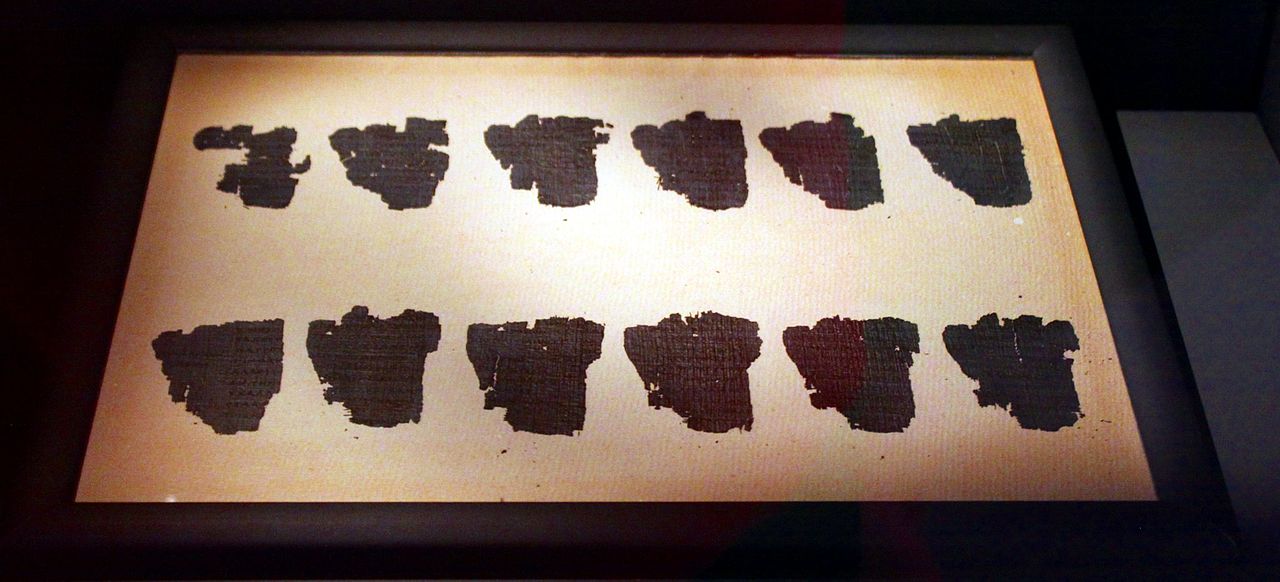
Paleography is the scholarly study of historical handwriting and the physical traits of written texts. It helps specialists decipher old scripts, assign probable dates and places of origin, and understand how people recorded information and communicated. Paleography is applied to materials ranging from papyrus and parchment to early paper and marginal notes in printed books. Researchers use it to recover content, trace transmission, and reconstruct networks of communication and literacy.
Image gallery
10 Images





Characteristics and methods
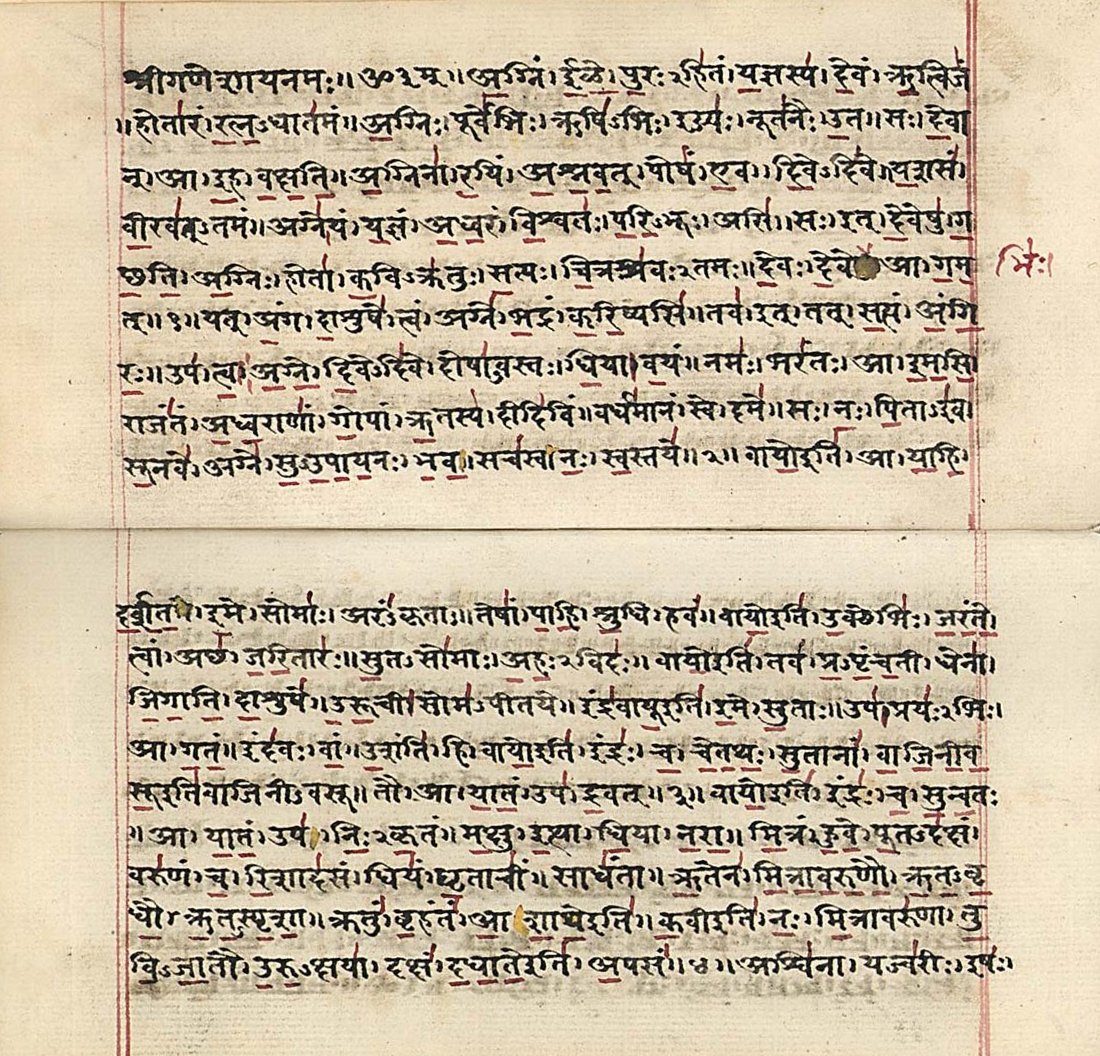
Paleographers examine several visible features to identify hands and date documents. These include letter shapes, ligatures and abbreviations, punctuation and spacing, ink and stroke quality, and page layout. Comparative analysis with securely dated exemplars, statistical study of letter-forms, and knowledge of scribal conventions are combined with material analysis and catalog records. Typical methods include keyboarding transcriptions, codicological description, and increasingly, digital imaging and pattern recognition tools.
History and development
The discipline developed from antiquarian interests in classical and medieval texts and matured as archivists and historians sought reliable ways to date undated manuscripts. Scholars recognized named script families—such as uncial, various minuscule hands, Gothic and later cursive or secretary hands—and mapped how styles changed over centuries and across regions. This historical mapping underpins the ability to situate a text in cultural and administrative contexts.
Uses and examples
Paleography is essential for dating and authenticating documents, editing historical texts, and interpreting marginalia and corrections. It supports work in legal history, diplomatics, philology, religious studies, and genealogy. Forensic applications and conservation also draw on paleographic expertise. Digital paleography increasingly allows large-scale comparison of scripts and easier public access to manuscript images.
Distinctions and notable facts
Paleography overlaps with but is distinct from codicology (the study of books as physical objects) and epigraphy (the study of inscriptions). While paleography focuses on handwriting and script forms, codicology emphasizes binding, quires and materiality; diplomatics examines the form and function of documents. For introductory resources and broader context see further reading on historical communication.
Related articles
Author
AlegsaOnline.com Paleography: the study of historical handwriting and scripts Leandro Alegsa
URL: https://en.alegsaonline.com/art/74162