
Bihar — Indian state on the Gangetic plain
Bihar is an eastern Indian state on the Gangetic plain with capital Patna. It has deep historical roots in ancient empires and religions, extensive floodplain agriculture, diverse languages, and ongoing development challenges.

Overview
Bihar is a state in eastern India occupying part of the fertile Gangetic plain. Its capital is Patna. The state covers about 99,200 km² (38,202 mi²) and lies north of the Vindhya uplands; it shares internal borders with Uttar Pradesh to the west, Jharkhand to the south and West Bengal to the east, and has an international border with Nepal to the north. In classical Indian regional schemes it is part of the East Indian zone. Bihar is noted for high population density, extensive agriculture on alluvial soils, and a complex development record.
Image gallery
10 Images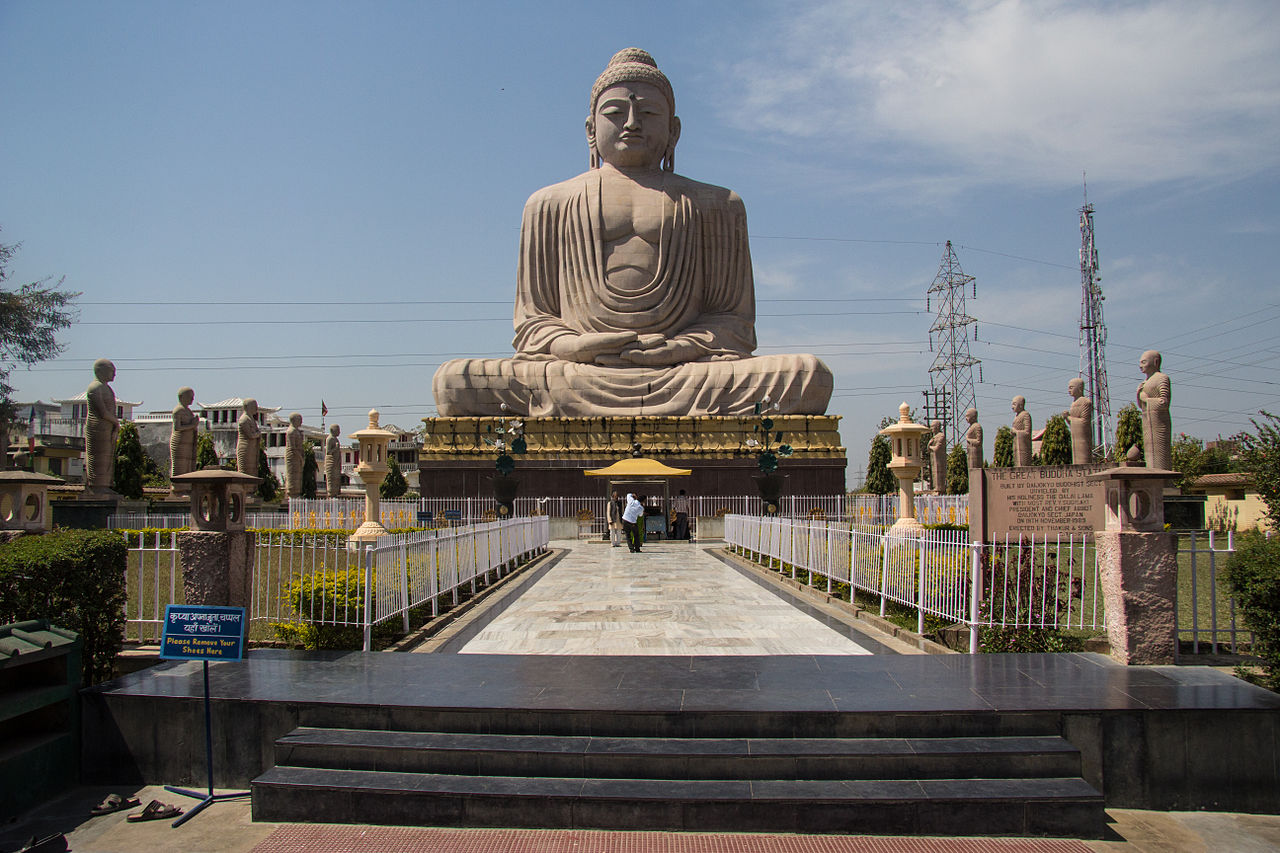


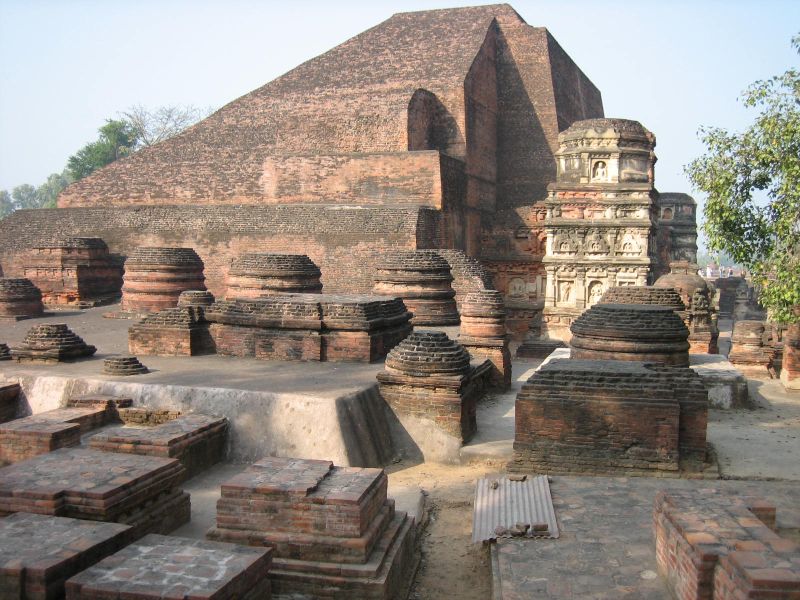



Geography and environment
The state's landscape is dominated by the Ganges river and its tributaries, which create broad, fertile plains used intensively for crops. Important rivers that traverse the state include the Ganges and rivers that drain the Himalaya foothills, producing rich silt but also seasonal floods. Soils vary from deep alluvium in the north to older, less fertile tracts in the south. The climate is subtropical with hot summers, a monsoon season, and cool winters.
History and heritage
Bihar occupies a central place in South Asian history. In antiquity it formed the core of powerful kingdoms such as Magadha and saw the rise of major dynasties that shaped the Indian subcontinent. It is a formative region for both Buddhism and Jainism and was home to renowned ancient universities and learning centres. Layers of medieval and colonial history followed, leaving a rich archaeological and cultural legacy that continues to attract scholarly and tourist interest.
Economy and society
The economy is largely agrarian, relying on rice, wheat and other crops grown in irrigated plains. Small-scale industry, services and remittance income from migrants also contribute. Bihar has faced longstanding challenges in infrastructure, industrialization and social development; at the same time, recent decades have seen efforts to expand education, health services and road and power connectivity. Social indicators have improved unevenly across districts.
Culture, language and demography
Bihar is linguistically and culturally diverse. Regional languages and dialects such as Bhojpuri, Maithili and Magahi are widely spoken alongside Hindi and Urdu. Folk music, festivals tied to agricultural cycles and religious traditions, and distinct culinary and textile practices are important parts of everyday life. The state hosts important pilgrimage sites and historic monuments that reflect its multi-religious past.
Administration and notable facts
Administratively the state is organised into divisions and districts with elected and appointed bodies responsible for governance. Bihar's strategic location along the Ganges and its historical institutions give it continued cultural significance in India. Development planners often highlight the need to balance agricultural productivity with urban growth, infrastructure investment and human development to realize the state's economic potential.
- Major rivers: Ganges and its tributaries.
- Languages: Hindi, Urdu, Bhojpuri, Maithili, Magahi.
- Bordering regions: Uttar Pradesh, Jharkhand, West Bengal, and Nepal.
For more detailed information on specific topics — archaeology, contemporary development programs or demographic statistics — consult specialist resources and official publications that track changes over time.
Related articles
Author
AlegsaOnline.com Bihar — Indian state on the Gangetic plain Leandro Alegsa
URL: https://en.alegsaonline.com/art/11399
Sources
- news18.com : "Senior BJP Leader Phagu Chauhan Appointed Governor of Bihar, to Take Over From Lal Ji Tandon"
- timesofindia.indiatimes.com : "Nitish Kumar to take oath as Chief Minister of Bihar, Sushil Modi to be deputy CM – Times of India" · web.archive.org
- gov.bih.nic.in : "State Profile"
- censusindia.gov.in : "census of india" · web.archive.org
- mospi.nic.in : "MOSPI Gross State Domestic Product"
- mha.nic.in : "Archived copy"
- hdi.globaldatalab.org : "Sub-national HDI – Area Database" · web.archive.org
- censusindia.gov.in : Provisional Population Totals – India · web.archive.org