
Pakistani nationalism and national identity
An overview of Pakistani nationalism: its roots, cultural and religious dimensions, historical development during the Pakistan Movement, political expressions, regional variations, and contemporary significance.
Overview
Pakistani nationalism refers to the sense of common identity and loyalty toward the state of Pakistan. It combines civic elements — shared institutions, symbols and public memory — with cultural and religious influences that shape how citizens imagine their nation. Ideas of nationhood have evolved since the late 19th and early 20th centuries and continue to be contested and reinterpreted.
Image gallery
10 Images




Core characteristics
The identity called Pakistani nationalism draws on several interacting sources. Many major groups within the country speak languages that belong to the Indo‑Iranian family and share aspects of material culture and history; religion, especially Islam, has also been a central reference for public life. Common markers include the national flag, anthem, commemorations such as Independence Day, and educational narratives about state formation. The cultural dimension is described in discussions of the culture of Pakistan, which emphasizes regional arts, literature and customary practices alongside national symbols.
Ethnic and linguistic diversity
Pakistan is home to several large regional communities whose identities both feed into and sometimes challenge a single national narrative. Major groups include:
- Punjabis
- Sindhis
- Pashtuns (Pathans)
- Baloch
- Kashmiris
- Mohajirs and other migrant-descended communities
These communities contribute distinct languages, histories and political traditions to the broader national conversation.
Historical development
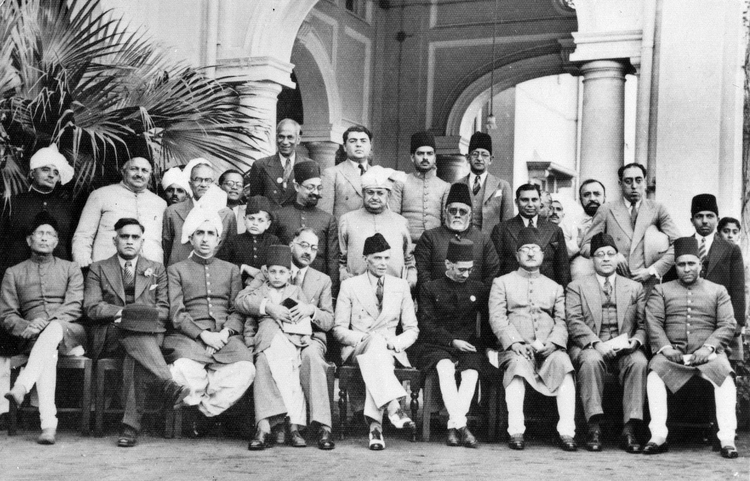
The political foundations of Pakistani nationalism were laid during the partition era. The campaign for a separate Muslim homeland crystallized in the Pakistan Movement and organizations such as the All-India Muslim League. Debates over the Two-Nation Theory and competing visions of Muslim political identity were pivotal. For narrative and institutional histories, see studies of the history of Pakistan and accounts of the Pakistan Movement.
Political expressions and tensions
Nationalism in Pakistan has been expressed through electoral politics, state-building projects, military influence, and constitutional change. The role of the state and armed forces in shaping national identity is a recurring theme in analyses of the politics of Pakistan. At the same time, tensions arise between different forms of nationalism: civic (based on citizenship), ethnic (based on language and region) and religious (based on Islamic identity). Scholars of nationalism often examine these competing claims to legitimacy and belonging.
Contemporary significance and notable facts
Today Pakistani nationalism remains a dynamic and plural concept. It is visible in public ceremonies, school curricula, media, and the positions political parties take on federalism, language policy and relations with neighboring countries. Regional movements — for example in Baluchistan or Sindh — illustrate how local grievances and identities interact with national narratives. The Pakistani diaspora also carries and reshapes nationalist sentiments abroad, contributing to debates over culture, memory and the future direction of the state.
Related articles
Author
AlegsaOnline.com Pakistani nationalism and national identity Leandro Alegsa
URL: https://en.alegsaonline.com/art/74083