
Pan-Arabism: history, ideas, and modern relevance
Pan-Arabism is an ideology advocating political and cultural unity of Arab peoples. This article explains its origins, major movements, successes and failures, and contemporary legacy.
Overview
Pan-Arabism is a political and cultural movement that seeks greater unity among Arab-speaking peoples across the Middle East and North Africa. It emphasizes a shared language, historical experiences, and cultural traditions as the basis for political cooperation or even a single state. Support for pan-Arab ideas has varied over time and by region, ranging from calls for cultural solidarity to concrete proposals for federations or unions.
Image gallery
7 Images




Core ideas and varieties
At its core, pan-Arabism rests on three related claims: that Arabs share a distinct collective identity, that this identity can form the basis for political action, and that cross-border Arab cooperation can advance economic, social, and security interests. The movement has taken multiple forms. Secular versions—exemplified by Nasserism and Ba'athism—combined nationalism with socialist economic policies. Other strands emphasized religious or conservative elements, while leftist groups linked Arab unity to anti-colonial and anti-imperialist struggles. Not all advocates sought a single state; some favored federations, confederations, or closer diplomatic coordination.
Historical development
Intellectual roots of pan-Arabism appeared in the late 19th and early 20th centuries during the Arab cultural renaissance (Nahda) and in reaction to Ottoman rule and European colonialism. During and after World War I, the collapse of imperial structures and the imposition of new borders fueled nationalist debates. After World War II and the end of formal colonization, pan-Arabism grew more prominent. The 1950s and 1960s were a high point, when charismatic leaders and republican regimes promoted the idea of unity as a vehicle for modernization and independence from outside powers.
Major events and experiments
- The Arab League (founded 1945) provided a forum for intergovernmental cooperation without erasing national sovereignty.
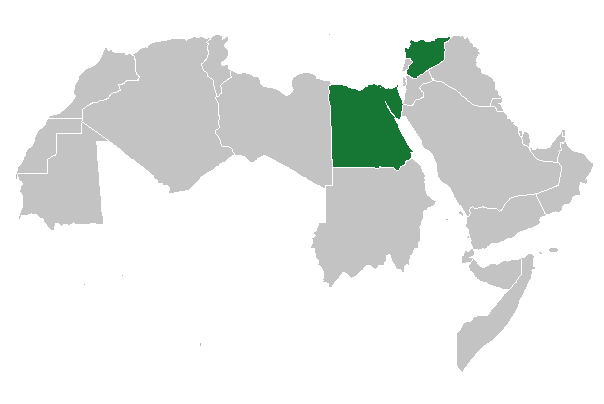
- The 1958 union of Egypt and Syria into the United Arab Republic (UAR) was the most significant attempt at political union; it dissolved in 1961 amid political tensions.
- Various ideological movements—most notably Nasserism in Egypt and Ba'athism in Syria and Iraq—promoted state-led development and regional leadership, sometimes in rivalry with one another.
Challenges, decline and legacy
Several factors reduced the appeal of pan-Arabism from the 1970s onward: military defeats (notably the 1967 Arab-Israeli war), the persistence of strong state institutions and local loyalties, differing economic interests (including oil wealth in Gulf monarchies), and the rise of political Islam and ethnic movements. Diplomatic splits—such as Egypt's suspension from parts of the Arab diplomatic community after Camp David—illustrated limits to regional solidarity. Nevertheless, pan-Arab ideas persisted culturally and politically: they influenced party politics, education, media, and transnational advocacy.
Contemporary relevance and distinctions
Today pan-Arabism survives more as an intellectual and cultural current than as a dominant political program. Pan-Arab sentiment appears in shared media markets, literature, and debates about regional cooperation, while the Arab League continues to convene states on common concerns. Important distinctions should be noted: pan-Arabism is not identical to Islamism (which centers religion rather than language and ethnicity), and many Arab citizens prioritize national, local, or religious identities over supranational unity. The movement also faces questions about the rights and status of non-Arab minorities and the diversity of languages and cultures within the region.
Where it matters
Pan-Arabist discourse often addresses issues of foreign influence and regional autonomy. Debates about the roles of outside powers in North Africa are sometimes framed through pan-Arab lenses: North Africa. Similarly, discussions about political alignment, security, and economic cooperation frequently reference the Arabian Peninsula: Arabian Peninsula. While large-scale political union remains unlikely in the near term, pan-Arabism continues to shape how many people in the Arab world imagine collective interests and cultural belonging.
Further reading and primary documents are available through historical archives and scholarly treatments that trace the movement's intellectual origins, policy proposals, and practical experiments in unity.
Questions and answers
Q: What is Pan-Arabism?
A: Pan-Arabism is a political movement and belief system that advocates for the unity of all Arab countries to form one single state.
Q: When was the idea of Pan-Arabism created?
A: The idea of Pan-Arabism was first created in the late 1800s and early 1900s.
Q: Who were some of the major supporters of the Pan-Arab movement?
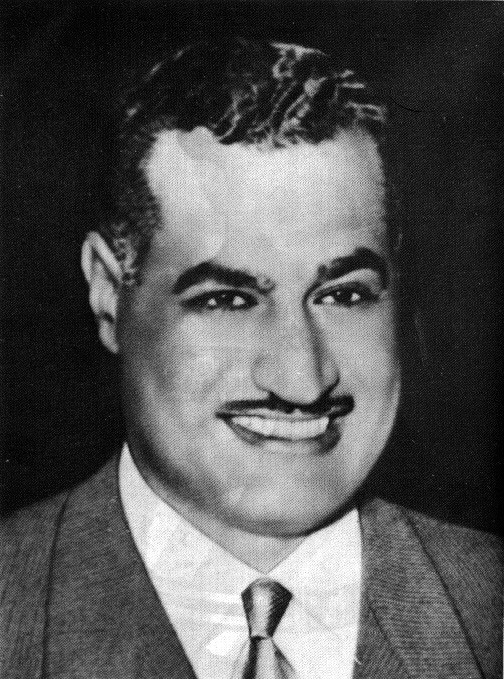
A: In the 1950s, Middle Eastern leaders like Egypt's President Gamal Abdel Nasser became major supporters of the Pan-Arab movement.
Q: What do Pan Arabists generally believe?
A: Pan Arabists generally believe that all countries with Arab populations should unify and that Western powers should not have any political power or influence in North Africa or the Arabian Peninsula.
Q: Is Pan-Arabism a political movement or a cultural movement?
A: Pan-Arabism is a political movement.
Q: What is the goal of Pan-Arabism?
A: The goal of Pan-Arabism is to unite all Arab countries to form a single state.
Q: Are all Arab countries in favor of Pan-Arabism?
A: No, not all Arab countries are in favor of Pan-Arabism.
Related articles
Author
AlegsaOnline.com Pan-Arabism: history, ideas, and modern relevance Leandro Alegsa
URL: https://en.alegsaonline.com/art/74292