
History of Pakistan: From the Indus Valley to a Modern Nation
Survey of Pakistan’s history, from the Indus Valley civilization and medieval empires through colonial rule, partition in 1947, state-building, political change and contemporary social and geopolitical issues.
Pakistan occupies a strategic crossroads of South, Central and West Asia. Its human history stretches from some of South Asia’s earliest urban settlements to the modern nation-state created in 1947. The country’s peoples and cultures reflect millennia of migration, trade and political change. The leading figure of the independence movement and the first governor-general of Pakistan was Muhammad Ali Jinnah, commonly known by the honorific Quaid‑e‑Azam.
Image gallery
10 Images





Ancient and classical periods
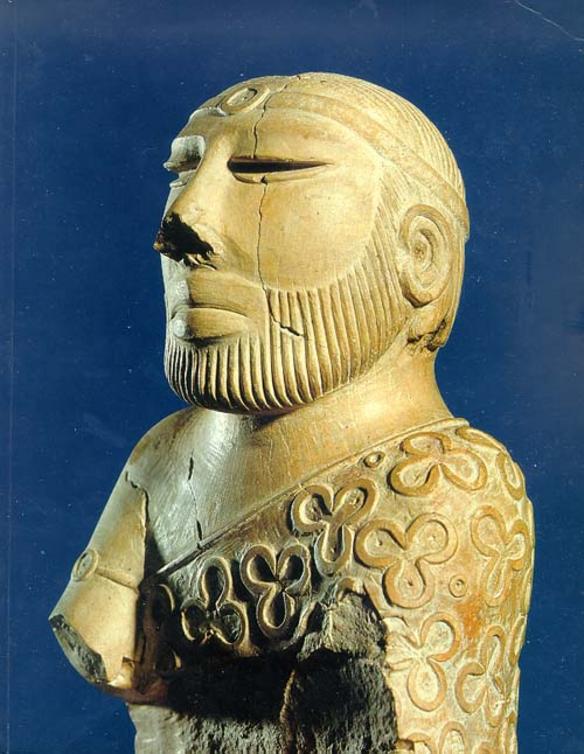
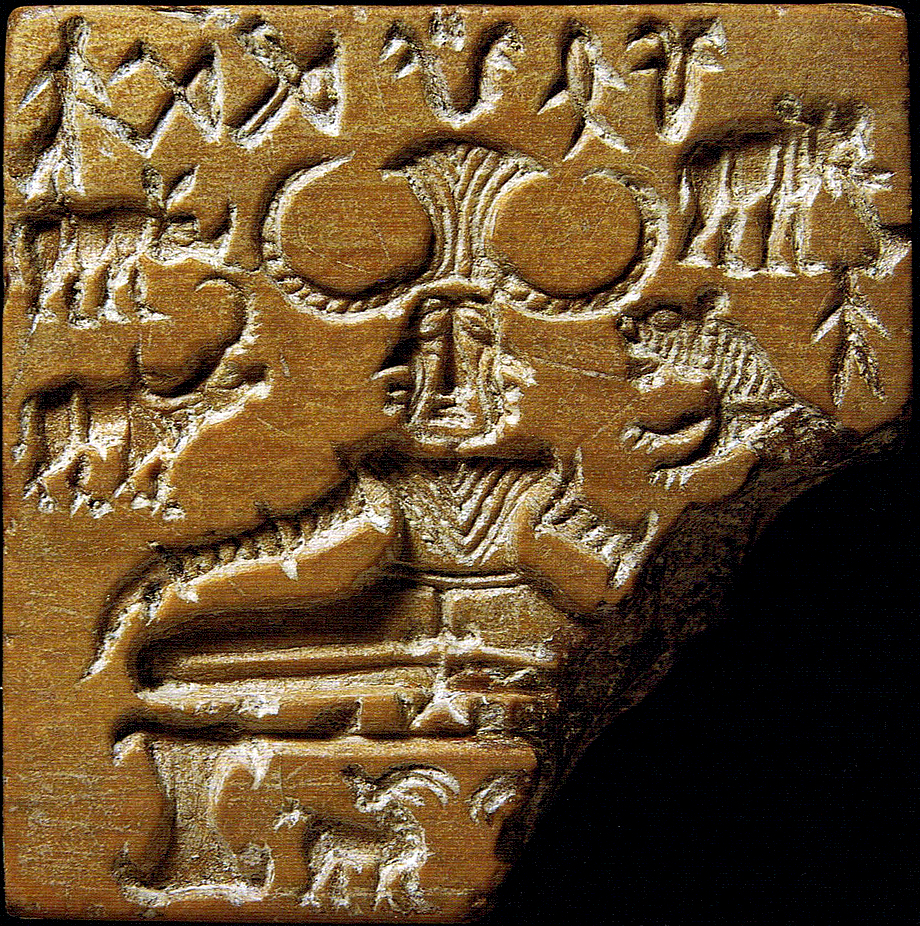
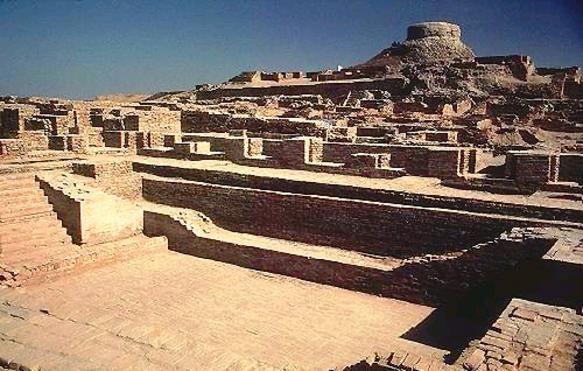
One of the world’s earliest urban cultures, the Indus Valley civilization, developed large, planned towns in the basin of the Indus River; archaeological sites such as Harappa and Mohenjo‑Daro demonstrate advanced craft, trade and city planning in the third millennium BCE. After the decline of these cities, the region experienced cultural and linguistic influences associated with Indo‑Aryan traditions, contacts with Iranic-speaking peoples, and the reach of classical empires. The area came under the influence of Persian and later Hellenistic rule after Alexander the Great, and thereafter saw integration into large South Asian polities such as Mauryan and Gupta spheres at different times.
Medieval era and the spread of Islam
From the early medieval centuries the region was a meeting place for Central Asian, Persianate and South Asian cultures. Muslim rule was established in parts of the region from the eighth century onward and expanded through successive Turkic, Afghan and Persian dynasties. The Delhi Sultanate and, later, the Mughal Empire shaped administrative practices, language, literature and monumental architecture across much of the subcontinent. Buddhism, Hindu traditions and Islamic civilization all left durable archaeological and cultural legacies.
Late premodern changes and colonial rule
By the early modern period local polities, such as regional sultanates and the Sikh confederacies in parts of the north, competed for control. From the 18th century European trading companies gained influence, and by the 19th century significant territory came under British colonial administration. British rule brought major changes to law, land tenure, education and transportation, and it also fostered new political ideas and organizations among diverse communities.
Independence, partition and the early state
Debates over political representation and communal identity in British India culminated in the partition of the subcontinent in August 1947 and the creation of Pakistan as a separate state for much of the Muslim population of British India. Partition produced large population movements and communal violence, and the new state faced the immediate tasks of refugee resettlement, institution building and addressing disputed borders, including the contested region of Kashmir.
Politics, conflict and state development
Pakistan’s post‑independence history has included civilian governments and several periods of military rule, accompanied by constitutional change and political contestation. The country fought several wars with neighboring India and experienced a major political crisis in 1971 when its eastern wing became the independent state of Bangladesh. In later decades Pakistan pursued both civilian politics and military interventions in governance, while also developing a nuclear weapons capability that altered regional security dynamics.
Society, culture and economy
- Ethnic and linguistic diversity: major groups include Punjabis, Sindhis, Pashtuns, Baloch and others; languages such as Punjabi, Sindhi, Pashto and Urdu are widely spoken, with Urdu serving as a national lingua franca.
- Religious life: Islam is the dominant faith and an important component of national identity; religious minorities maintain distinct communities and traditions.
- Economy and development: agriculture, industry and services are central to the economy; economic growth, social development and infrastructure remain ongoing policy priorities.
Contemporary significance
Pakistan continues to play a significant role in regional geopolitics and in trans‑regional economic and security networks. It faces challenges common to many states, including democratic consolidation, development, managing ethnic and regional diversity, and addressing security concerns. At the same time, Pakistan preserves a rich cultural heritage that links ancient urban civilizations, medieval empires and modern national institutions, making its history an important part of the broader story of South Asia and its connections to neighboring regions.
Questions and answers
Q: Who are Pakistanis?
A: Pakistanis are a mix of different cultures, including Harappan, Vedic, Iranic, Dardic, and others.
Q: What waves of people settled down in Pakistan throughout the centuries?
A: Waves of invaders and migrants have settled down in Pakistan throughout the centuries.
Q: How have these waves of people influenced the locals?
A: These waves of people have influenced the locals and have been absorbed among them.
Q: Who is the founder of Pakistan?
A: The founder of Pakistan is Quaid-e-Azam.
Q: What is the meaning of Quaid-e-Azam?
A: Quaid-e-Azam means "Great Leader."
Q: What was the role of Quaid-e-Azam in history of Pakistan?
A: Quaid-e-Azam played a critical role in the history of Pakistan as the leader who fought for Pakistan's independence from British rule.
Q: How did the different cultures blend together to create Pakistani culture?
A: The different cultures, including Harappan, Vedic, Iranic, Dardic, and others, blended together to create Pakistani culture, which is a unique mix of various influences.
Related articles
Author
AlegsaOnline.com History of Pakistan: From the Indus Valley to a Modern Nation Leandro Alegsa
URL: https://en.alegsaonline.com/art/44478