
Pan-Germanism: ideology, history, and legacy
Pan-Germanism is a political and cultural current advocating unity among German-speaking peoples; its meanings changed from 19th‑century liberal nationalism to later expansionist and exclusionary forms.
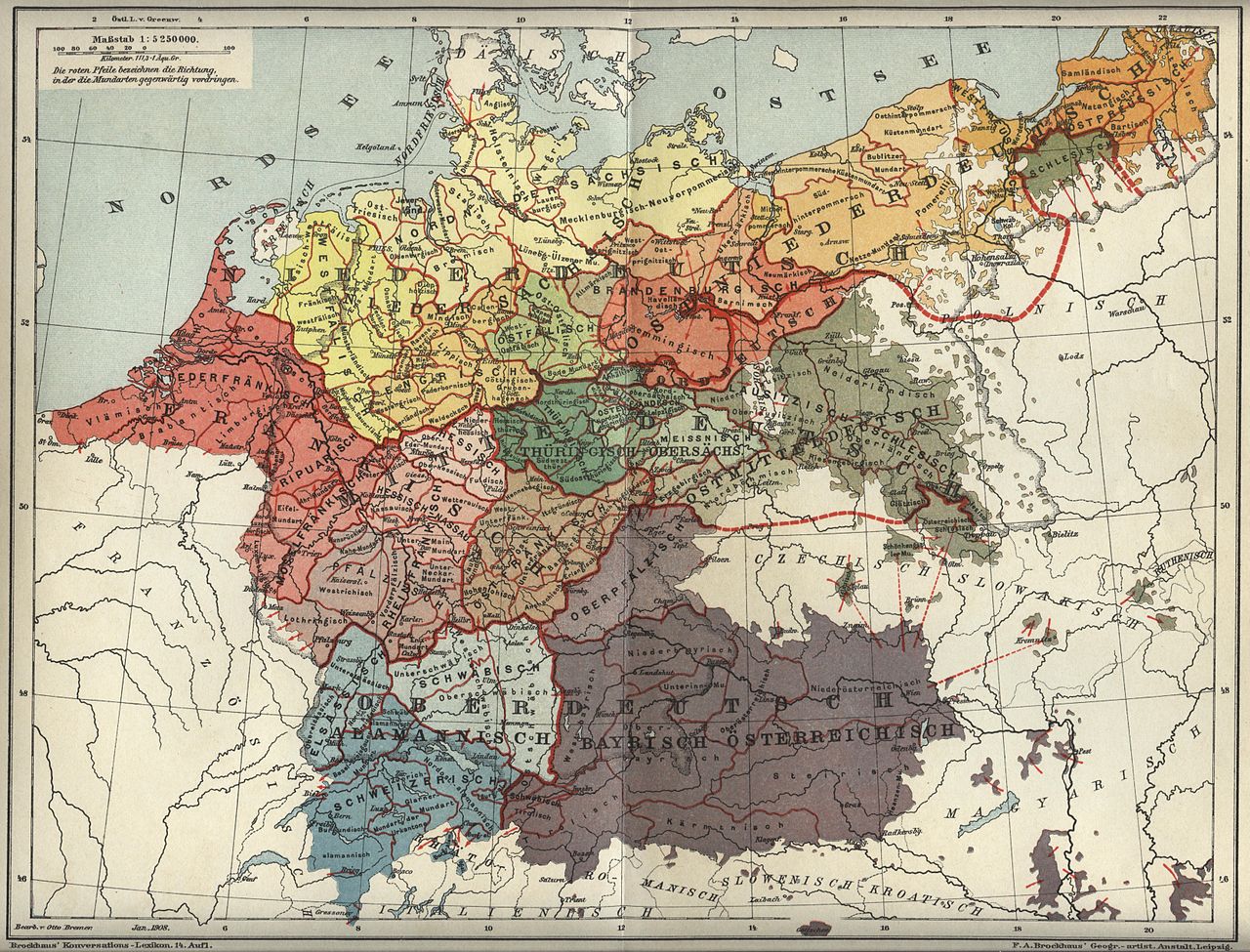
Pan‑Germanism (from the Greek pān, meaning "all", and "Germania") denotes a set of ideas and movements that seek closer unity or political union of German-speaking communities. In broad terms it combines cultural, linguistic and sometimes political claims about the identity and destiny of German-speaking groups.
Image gallery
9 Images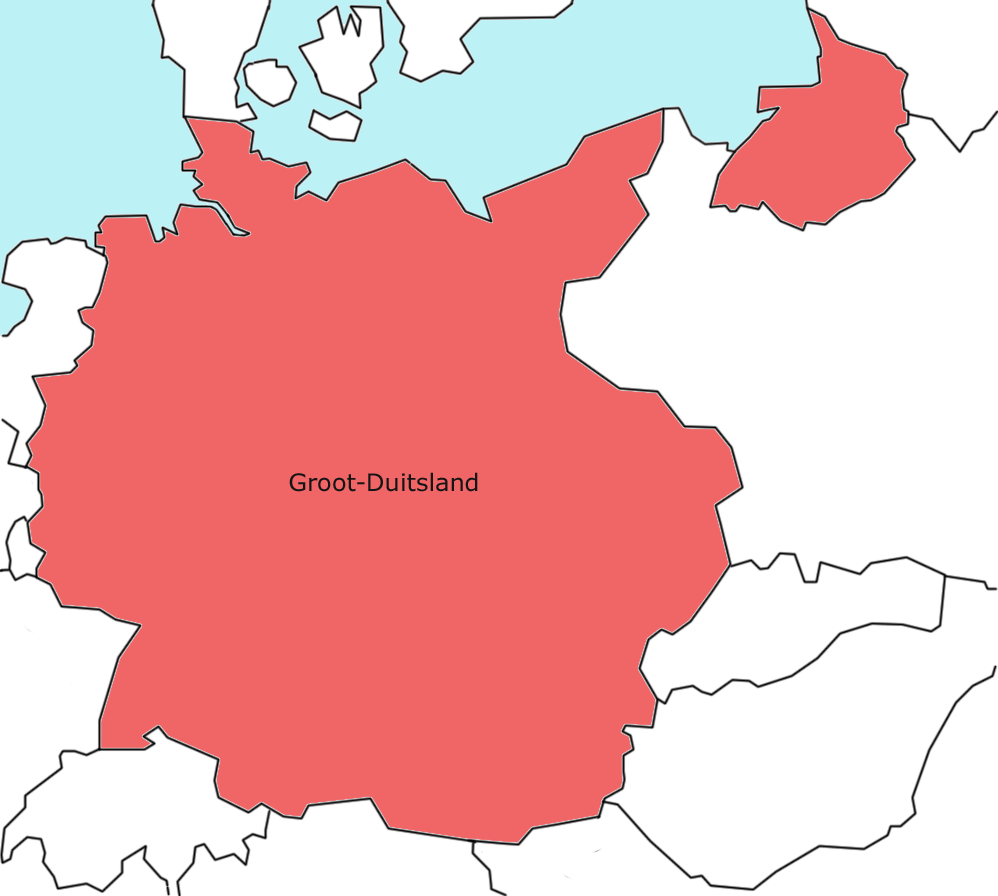




Characteristics and aims
As an ideological current and a political movement, Pan‑Germanism has typically emphasized common language, shared history, and solidarity among Germanic peoples. Goals ranged from cultural cooperation and protection of minority rights to the political incorporation of German‑language territories. At times the movement adopted expansionist or exclusionary rhetoric; at other times it argued for federal links short of annexation.
Historical development
In the 19th century debates about German unification, activists and intellectuals debated whether a unified state should include the Austrian lands (a "Greater Germany") or exclude them (a "Lesser Germany"). The political unification achieved in 1871 omitted the Habsburg realms and shaped later Pan‑German currents. From the late 19th century, organized groups such as the Pan‑German League promoted assertive nationalism and influence beyond the German Empire, affecting diplomacy and public opinion in Europe.
During the early 20th century these ideas intersected with social movements, imperial competition, and ethnic tensions. In the interwar period and under National Socialism some Pan‑German themes were amplified into aggressive expansionist policy, including claims on neighboring German‑language territories; after 1945 such ideology became widely discredited in mainstream politics.
Uses, examples, and legacy
- As cultural advocacy: support for German language education and rights of minorities.
- As political project: efforts to alter borders or create federations of German speakers.
- As historical influence: contribution to debates over nationalism, identity, and statehood in Central Europe.
Although often associated with 19th‑ and early 20th‑century movements, the term also appears in contemporary discussions about transnational communities and diasporas. The idea of uniting peoples by language continues to raise questions about self‑determination, minorities and the limits of national claims.
Scholars distinguish Pan‑Germanism from broader German cultural influence or benign pan‑European cooperation: the former centers on political claims tied to language and ethnicity, while the latter may be civic, voluntary, and pluralistic in orientation. For further reading see introductory surveys and archival materials on the subject (etymology, ideology, and historical studies across political and social contexts).
Related articles
Author
AlegsaOnline.com Pan-Germanism: ideology, history, and legacy Leandro Alegsa
URL: https://en.alegsaonline.com/art/74295