
Parliamentary procedure: rules and practices for meetings and decision-making
Structured rules used by assemblies to conduct meetings fairly and efficiently, covering motions, debate, voting, roles, and records. Common in legislatures, nonprofits, and boards.
Parliamentary procedure refers to the standardized methods groups use to conduct meetings, discuss issues, and make decisions. These conventions aim to balance orderly progress with protection of individual and minority rights. Many organizations adopt a written manual or set of standing rules; a common reference in the United States is parliamentary procedure.
Image gallery
2 Images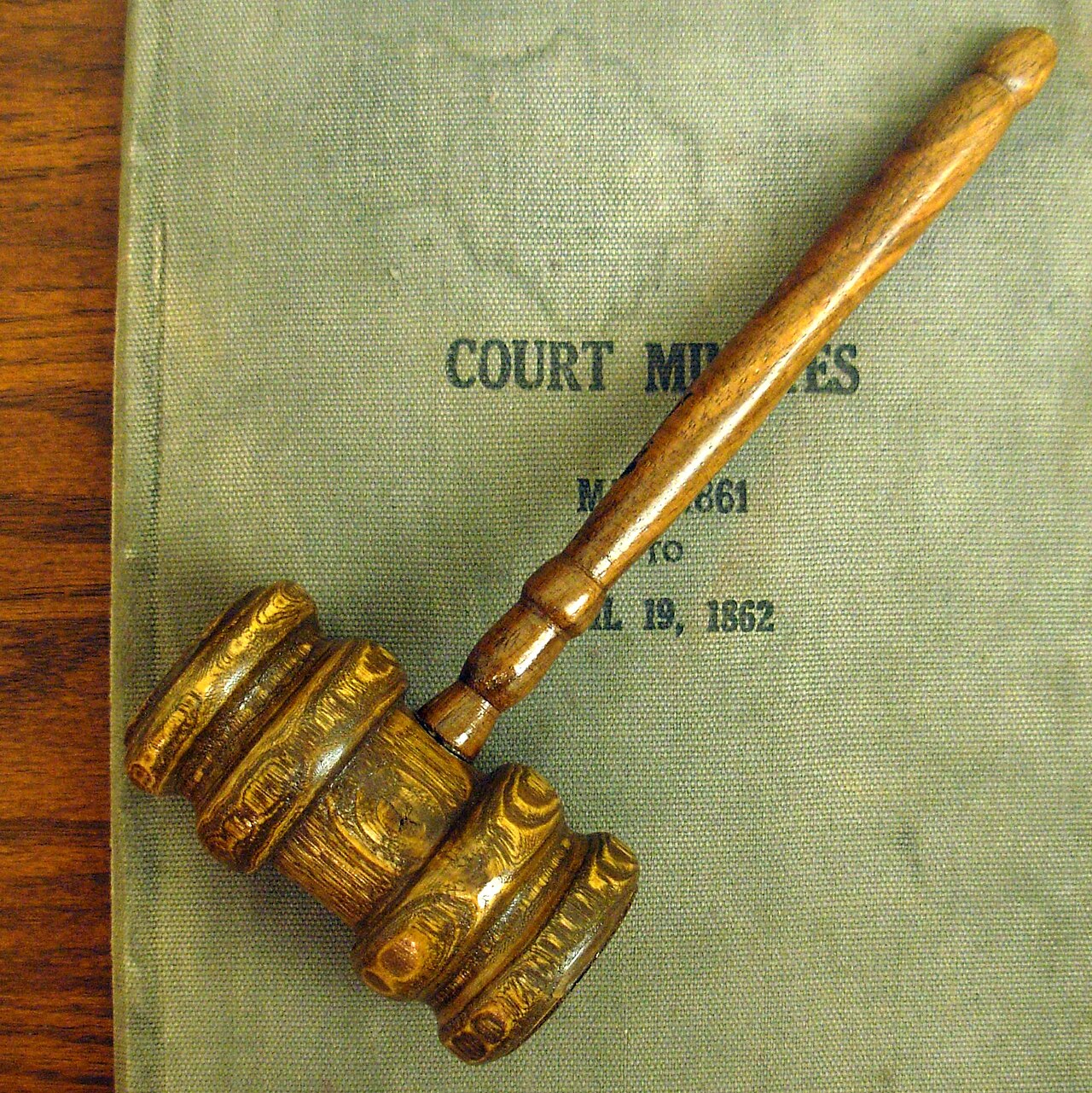

Core elements
Key components include the chair or presiding officer, a defined agenda or order of business, motions to introduce or change proposals, rules for debate, voting methods, and the keeping of minutes. A quorum — the minimum number of members required to transact business — is usually specified to ensure legitimacy of actions.
Types of motions and actions
- Main motions: introduce new business for consideration.
- Subsidiary motions: change or dispose of main motions (e.g., amend, refer to committee).
- Privileged motions: urgent matters that take precedence (e.g., adjourning).
- Incidental motions: arising from other business and decided immediately.
Votes can be taken by voice, show of hands, roll call, or secret ballot; some decisions require a simple majority, others a two-thirds vote or unanimous consent depending on the rule.
History and use
Modern procedures evolved from practices in legislative assemblies, adapted for clubs, professional bodies, cooperatives, and corporate boards. Manuals such as Robert's Rules of Order systematized these practices for small and large assemblies, though national parliaments maintain their own standing orders.
Advantages and considerations
When properly applied, parliamentary procedure promotes fairness, predictable outcomes, efficient debate, and clear records. It can seem formal or complex to newcomers, so many organizations train officers and publish concise bylaws tailored to their needs.
Related articles
Author
AlegsaOnline.com Parliamentary procedure: rules and practices for meetings and decision-making Leandro Alegsa
URL: https://en.alegsaonline.com/art/74764
Sources
- parliamentarians.org : "Pariliamentary procedure" at National Association of Parliamentarians (NAP)
- books.google.com : Robert's Rules of Order, pp. xxxiii-xxxiv
- britannica.com : "Parliamentary procedure" at Encyclopedia Britannica
- books.google.com : The Political History of Tudor and Stuart England: A Sourcebook, p. 72
- books.google.com : p. xxxiv
- parl.gc.ca : House of Commons Procedure and Practice
- books.google.com : A manual of parliamentary practice for the use of the Senate of the United States, p. vi
- books.google.com : The Japanese Today: Change and Continuity, p. 250
- books.google.com : The Politics of Agriculture in Japan, p. 292