
Party for Japanese Kokoro (Nippon no Kokoro)
Conservative nationalist party in Japan formed from a 2014 split, known for traditionalist and security-focused policies; it later renamed and dissolved in 2018.

The Party for Japanese Kokoro, formally known in Japanese as 日本のこころを大切にする党, was a political party in Japan that emerged from a factional split within the broader reform movement of the 2010s. It traced its origins to a breakaway of conservative members from the Japan Restoration Party, and was associated with prominent political figures who sought to emphasize national identity, traditional social values and a more assertive security stance.
Image gallery
3 Images

History and formation
The Japan Restoration Party, formed in 2012 under leaders such as Tōru Hashimoto and Shintaro Ishihara, experienced internal disagreements over mergers and strategy. In 2014 a faction led by Ishihara left to form a new group initially called the Party for Future Generations. That party subsequently adopted the name Party for Japanese Kokoro; the split reflected wider tensions in Japanese conservative politics between regional reformers and nationalists. The party participated in national elections but struggled to maintain parliamentary strength.
Ideology and policy positions
The Party for Japanese Kokoro combined several recurring themes of contemporary conservative movements in Japan. Observers described its platform as prioritizing national pride and historical awareness while promoting economic deregulation in certain areas. Its policy emphases included stricter immigration controls, a stronger posture on defense and security, and advocacy for what members called traditional family and cultural norms. Economically, some of its proposals leaned toward market-oriented liberalism such as regulatory reform.
- Security: support for bolstering defense capabilities and revising security policies.
- Immigration and social policy: calls for tighter entry rules and measures to preserve cultural traditions.
- Economic stance: selective deregulation and measures to stimulate private sector activity.
- Patriotism: promotion of patriotic education and national symbols.
Electoral performance and public perception
In the national election that followed the 2014 splits, the party suffered losses and won only a small share of the vote—reports placed its result at roughly 2–3 percent. After the poor showing, its founder Ishihara announced his intention to withdraw from frontline politics. Commentators frequently labeled the party right-wing or even far-right because of its nationalist rhetoric and emphasis on traditional values.
Organization, leadership and dissolution
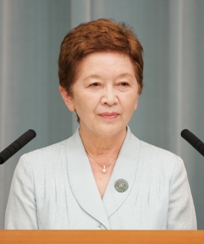
Leadership changed over the party's lifetime; toward the end its most visible leader was Kyoko Nakayama. Struggling with limited electoral success and the fragmentation of small conservative parties, it formally dissolved on 1 November 2018. Its members dispersed to other parties or left politics, and its policy legacy survives mainly in occasional debates over immigration, education and security reform in Japan.
For background on related movements and personalities, see references to the original reform grouping and figures such as Hashimoto and Ishihara. Further context on migration and ideology is available through discussions of immigration policy and economic liberalism in contemporary Japanese politics. The party's story illustrates how regional reform initiatives in Osaka and nationalist currents interacted during a period of realignment.
Additional reading and archival material can be located via general resources on Japanese political parties and post-2012 party realignments; sample keyword starting points include the Japan Restoration Party, the Party for Future Generations, and studies of patriotic movements in modern Japan. Commentary on positioning within the political spectrum often references classifications such as right-wing.
Member of the National Parliament
September 2017 until the dissolution
- House of Lords
- until 2019
- Masashi Nakano (National proportional representation, 1st term (+ three in the lower house); previously LDP→Tachiagare Nippon→Taiyō→Nippon Ishin no Kai).
Questions and answers
Q: What was the Party for Japanese Kokoro?
A: The Party for Japanese Kokoro was a political party in Japan.
Q: What is the literal meaning of Nippon no Kokoro wo Taisetsu ni Suru Tō?
A: Nippon no Kokoro wo Taisetsu ni Suru Tō means "The party that cares for Japan's heart."
Q: Who were the leaders of the Japan Restoration Party?
A: The leaders of the Japan Restoration Party were Tōru Hashimoto, the mayor of Osaka, and Shintaro Ishihara.
Q: Why did the party split in 2014?
A: The party split in 2014 due to a disagreement over a merger with another party.
Q: What political party did Ishihara form after leaving the Japan Restoration Party?
A: Ishihara left to form the Party for Future Generations (Jisedai no Tō) on 1 August 2014.
Q: What percentage of the vote did the party receive in the 2014 Japanese general election?
A: The party received 2.65% of the vote in the 2014 Japanese general election.
Q: Who was the last party leader of the Party for Japanese Kokoro?
A: The last party leader of the Party for Japanese Kokoro was Kyoko Nakayama.
Related articles
Author
AlegsaOnline.com Party for Japanese Kokoro (Nippon no Kokoro) Leandro Alegsa
URL: https://en.alegsaonline.com/art/74855
Sources
- japantimes.co.jp : "Hashimoto, Ishihara to break up Nippon Ishin; opposition realignment seen accelerating"
- news.xinhuanet.com : "Archived copy"
- sankei.com : "「誰が国会で慰安婦問題を聞くの?」 次世代の党、存続の危機…首相の政権運営にも影"
- asahi.com : "石原慎太郎氏が政界引退 「さばさばした気持ち」"
- japantimes.co.jp : "Ishihara's new party embraces 'neoconservative' policies"
- japantimes.co.jp : Ruling denying welfare for foreign residents finds homegrown, biased support
- thediplomat.com : "Japanese Nationalists Target Foreign Welfare Recipients"
- news.xinhuanet.com : "News Analysis: Japan's LDP may see "unpopular victory" as opposition camp split, electoral system twisted"
- japantimes.co.jp : "LDP clinches hollow victory as opposition options elude"
- nikkei.com : "次世代の党、中山恭子新党首を選出 松沢氏の離党了承"