
Padmasambhava: the Lotus-Born Master of Tibetan Buddhism
Padmasambhava, known as Guru Rinpoche, is the 8th-century tantric master credited with establishing Buddhism in Tibet and shaping the Nyingma tradition; famed for his teachings, mantras and iconography.
Overview
Padmasambhava is a central figure in Tibetan and Himalayan Buddhist history, traditionally regarded as the great tantric master who helped establish Buddhism in Tibet during the 8th century. He is closely associated with the introduction and adaptation of Indian Buddhist tantric teachings into the Tibetan cultural world and is widely revered across regions influenced by Tibetan culture and religion, including Tibet and Bhutan. His role blends historical events with rich hagiography and religious narrative.
Image gallery
10 Images





Names, meaning and iconography
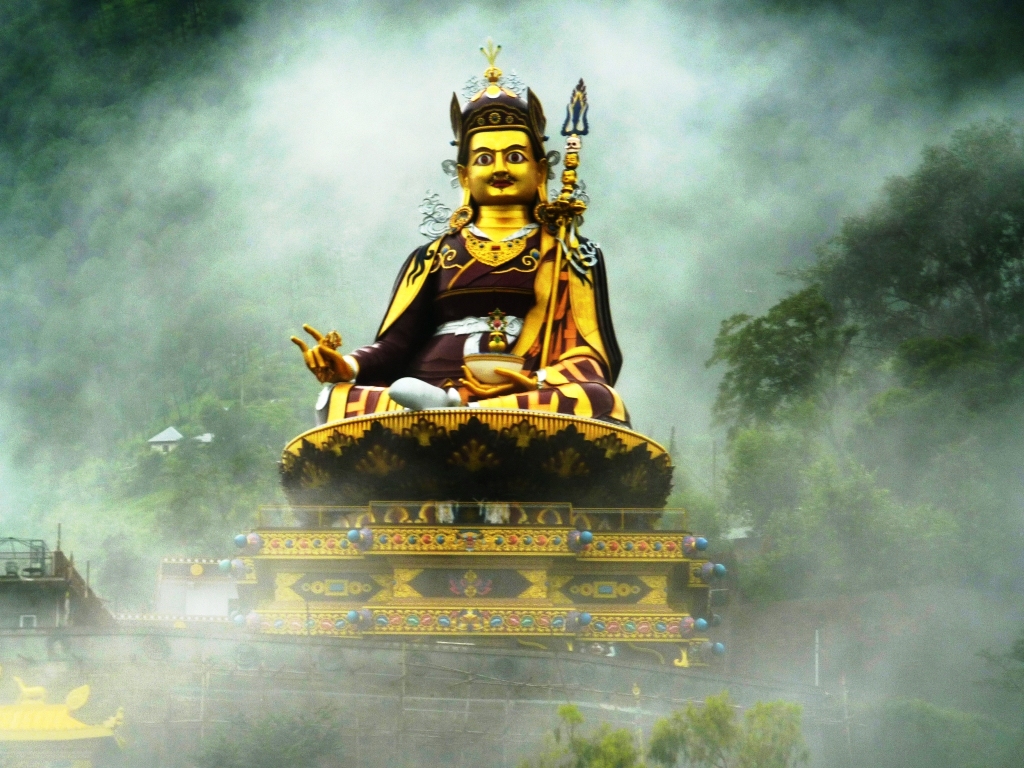
His Sanskrit name, Padmasambhava, literally means "born from a lotus" and evokes miraculous origins. In Tibet and Bhutan he is most often called Guru Rinpoche ("Precious Teacher") or Lopon Rinpoche. Devotional images show him seated on a lotus, often holding a vajra and skullcup and accompanied by consorts and attendants; these visual symbols represent specific tantric qualities and accomplishments.
Historical role and development
Accounts credit Padmasambhava with playing a decisive role in the establishment of monasteries and in overcoming local obstacles to the spread of Buddhism in the Himalayan region. While historical details are debated, tradition links him to the founding of the Nyingma school, the oldest of Tibet's four major schools. Followers sometimes honor him as a "second Buddha" for his importance in making tantric teachings accessible in Tibet (Nyingma, second Buddha).
Teachings, practices and texts
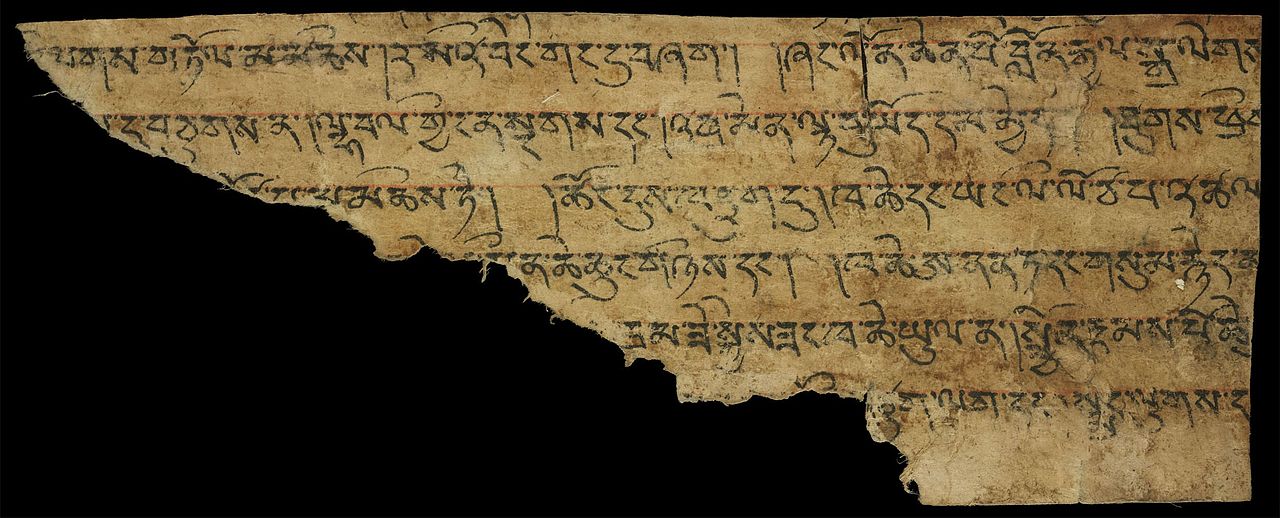
Padmasambhava is associated with a range of tantric practices, meditative techniques and revealed teachings known as termas (hidden treasures). Two devotional elements connected to him are especially widespread: the Vajra Guru mantra and the Seven Line Prayer. The well-known mantra appears in the formula Om Ah Hum Vajra Guru Padma Siddhi Hum and is often called the Vajra Guru mantra or linked to the general practice of recitation (mantra). Devotees also recite the concise devotional text called the Seven Line Prayer, a staple in many liturgies.
Legacy and distinctions
Padmasambhava's legacy combines devotional reverence, ritual practice and a large body of associated literature. He is honored both as a historical teacher and as an embodiment of enlightened activity in later religious poetry, ritual cycles, and pilgrimage sites. Modern interest spans academic study, devotional practice, and cultural preservation across Himalayan communities.
- Buddhism—the broader religious tradition he influenced
- Tibet—a primary cultural context for his legacy
- 8th century—the traditional era of his activity
- Sanskrit—language of his principal name
- Lotus—symbolic origin in his name
- Bhutan—region where he is widely revered
- Nyingma—school most closely associated with him
- Second Buddha—an epithet used by some followers
- Mantra—central to his devotional practice
- Vajra Guru—name associated with his mantra
- Seven Line Prayer—common devotional prayer
Related articles
Author
AlegsaOnline.com Padmasambhava: the Lotus-Born Master of Tibetan Buddhism Leandro Alegsa
URL: https://en.alegsaonline.com/art/73975