
Nyingma: the ancient school of Tibetan Buddhism
Nyingma is the oldest of the four main Tibetan Buddhist traditions, known for its treasure teachings (terma), Dzogchen practice, and transmission from Padmasambhava into Tibetan culture and religion.
Overview
The Nyingma tradition is the oldest of the major Tibetan Buddhist schools and presents itself as the custodian of the earliest tantric transmissions brought into Tibet. Often translated as "ancient," Nyingma traces its spiritual genealogy to early masters, most prominently Padmasambhava, and regards its doctrines as continuous with the broader vehicle of Vajrayana. Within the Tibetan religious landscape it is generally counted as one of the four principal schools of Tibetan Buddhism (see schools), and it has long coexisted and interacted with the indigenous Bön religion.
Image gallery
9 Images


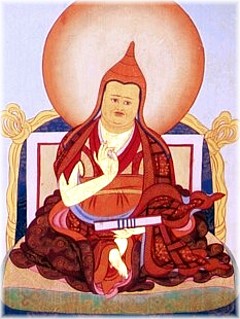
Teachings and practices
Nyingma presents a layered path of practice organized into the so-called "nine vehicles" that range from foundational ethical and scholastic training to the most advanced tantric and mind‑realization practices. Among its hallmark teachings is Dzogchen, or "Great Perfection," a set of meditative instructions aimed at recognizing the natural, primordial state of mind. Nyingma practice frequently emphasizes ritual, mantra, visualization, and direct experiential methods preserved in both written and oral lineages.
Transmission, terma and community
A distinctive feature of Nyingma is the terma tradition: texts and ritual objects said to have been hidden by earlier masters (often attributed to Padmasambhava) to be revealed later by specific discoverers called tertons. These revealed treasures sustained living lineages and adapted teachings to changing historical contexts. Nyingma lineages include both monastic communities and non‑monastic tantric practitioners (often called ngakpas), creating a diverse institutional fabric rather than a single centralized hierarchy.
History and development
Nyingma developed as Buddhist teachings entered Tibet from India and surrounding regions during the 8th–11th centuries. Over centuries the school preserved early translations and commentaries, while also integrating local ritual forms and certain Bön elements. During subsequent Tibetan periods Nyingma teachers engaged in textual study, meditation lineages, and the creation of terma, ensuring continuity even when political fortunes shifted. In the 20th century, Nyingma masters played a major role in transmitting these teachings beyond Tibet to Himalayan regions and the West.
Notable figures and modern presence
- Dudjom Rinpoche — a leading 20th‑century authority associated with extensive teachings and commentaries (see also biographical notices).
- Sogyal Rinpoche — a well‑known teacher who helped introduce aspects of Nyingma practice to many Western students.
- Other widely known Nyingma figures include Dilgo Khyentse Rinpoche, Penor Rinpoche, and contemporary lama‑scholars and tertons who maintain lineages and centers worldwide.
Distinctive features and legacy
Nyingma is noted for preserving what adherents consider the earliest tantric corpus in Tibet, its rich terma literature, and the prominence of Dzogchen meditation. The school's multiple lineages encourage a plurality of practice approaches, from scholarly study to esoteric ritual and direct meditative introduction. Today Nyingma traditions continue to influence Tibetan culture, scholarship, and global Buddhist practice through monasteries, retreat centers, and teachers operating in Asia and the West.
Related articles
Author
AlegsaOnline.com Nyingma: the ancient school of Tibetan Buddhism Leandro Alegsa
URL: https://en.alegsaonline.com/art/71548