
OS X Yosemite (version 10.10)
OS X Yosemite (10.10) is a major macOS release from Apple that introduced a flatter, translucent design and Continuity features integrating Mac and iOS devices, released after its 2014 WWDC announcement.
OS X Yosemite (version 10.10) is the eighth major release in Apple’s OS X line for Macintosh computers. Announced at Apple’s WWDC conference on June 2, 2014, Yosemite continued Apple’s practice of naming versions after landmarks, taking its name from Yosemite National Park in California. The update followed OS X Mavericks and was made available to developers and public beta testers immediately after the keynote.
Image gallery
2 Images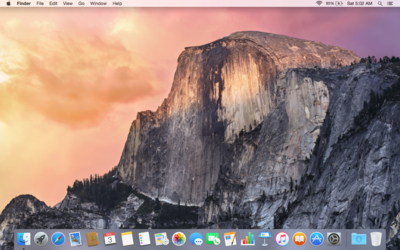

Design and user interface
Yosemite brought a significant visual refresh that emphasized a flatter, more modern aesthetic. Window chrome became thinner and more translucent, system typefaces and icons were simplified, and many interface elements adopted a cleaner, less skeuomorphic appearance. These changes aimed to harmonize the Mac experience with contemporary mobile design trends while keeping desktop conventions such as resizable windows, the menu bar, and the Dock.
Key features
Alongside its visual overhaul, Yosemite introduced several functional enhancements. Spotlight search was expanded into a central search interface with previews from local and online sources. Notification Center gained widgets and a compact Today view. Integration between Mac and iOS devices was deepened with Continuity features—most notably Handoff for passing tasks between devices, cross-device AirDrop, and the ability to send and receive SMS messages through a Mac when paired with an iPhone.
- iCloud Drive: a file-syncing option for documents and desktop items across devices.
- Mail improvements: Mail Drop for large attachments and inline markup tools.
- Safari updates: a streamlined toolbar and refinements aimed at responsiveness and power efficiency.
System support and release
Yosemite was distributed as a free upgrade for compatible Macs and was rolled out to the wider public in the autumn months after its WWDC debut. It supported a broad set of machines sold in prior years, though some older hardware was left unsupported. As with most Apple releases, Yosemite required users to install updates and, optionally, enable iCloud features to obtain full Continuity functionality.
Legacy and reception
Reception to Yosemite was mixed but largely positive: reviewers praised the refreshed visual design and enhanced cross-device integration, while some early adopters reported compatibility issues and bugs that were addressed in subsequent updates. Yosemite set the tone for later macOS releases by prioritizing visual consistency with iOS and deeper ties to Apple’s cloud and mobile ecosystem. It was followed by a subsequent OS X release that continued to refine performance and features.
For more on Apple and the OS X family, see Apple and the broader OS X platform documentation.
Related articles
Author
AlegsaOnline.com OS X Yosemite (version 10.10) Leandro Alegsa
URL: https://en.alegsaonline.com/art/73297
Sources
- macrumors.com : "Apple Releases OS X Yosemite Developer Preview 2"
- apple.com : "Apple - OS X Mavericks - Do even more with new apps and features"