
OS X Mavericks (10.9) — Apple desktop operating system
OS X Mavericks (10.9) is Apple's 2013 desktop operating system release introducing Finder tabs, Tags, Maps and iBooks on Mac, power-saving technologies and a shift to free distribution.
Overview
OS X 10.9, code-named "Mavericks," is a version of Apple's Mac desktop operating system released on October 22, 2013. It continued Apple's OS X line for Macintosh computers and emphasized power efficiency, improved app integration, and usability refinements. Apple described Mavericks as containing more than 200 changes compared with the previous release.
Image gallery
1 Image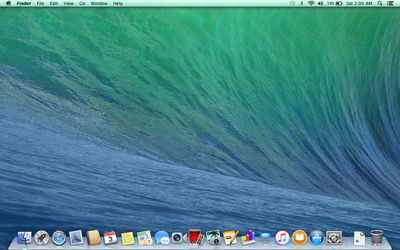
Main features and user-facing changes
Mavericks introduced several visible changes to the Finder and system apps alongside new native applications for the Mac. Notable items include:
- Finder Tabs and Tags: Finder gained tabbed browsing and a tagging system to organize files across locations without moving them.
- New apps: Maps and iBooks were added to the Mac, bringing familiar iOS services to the desktop.
- Improved multiple-display support: Full-screen apps and separate menu bars on each connected display made multi-monitor workflows more flexible.
- Notification Center: Enhancements provided richer notifications and better interaction with events and messages.
Under-the-hood and performance
The release emphasized energy savings and responsiveness. Technologies such as App Nap, compressed memory and timer coalescing were designed to reduce CPU usage and extend battery life on portable Macs. Safari and other system apps received optimizations intended to improve browsing speed and lower power consumption.
Compatibility, distribution and significance
Mavericks was distributed through the Mac App Store as an update and marked a change in Apple's upgrade approach: the company offered OS X 10.9 as a free download, affecting how subsequent releases were delivered. The update supported a wide range of contemporary Mac models and integrated more tightly with iCloud services like iCloud Keychain for password syncing.
Context and legacy
Named after a surfing location in California, Mavericks focused on refining the desktop experience rather than introducing a radical redesign. Its combination of organizational tools, power-saving technologies and the inclusion of iOS-origin apps signaled Apple's intent to unite platform features across devices while prioritizing performance and battery life on Mac hardware. For official details see Apple and platform documentation for OS X. Historical context often references earlier OS X versions such as Mountain Lion and hardware information for the Macintosh.
Related articles
Author
AlegsaOnline.com OS X Mavericks (10.9) — Apple desktop operating system Leandro Alegsa
URL: https://en.alegsaonline.com/art/73295
Sources
- arstechnica.com : "OS X Mavericks comes out today—and it's free"
- images.apple.com : "Apple Releases Developer Preview of OS X Mavericks With More Than 200 New Features"
- apple.com : "Apple WWDC 2013 Keynote" · web.archive.org
- apple.com : "Apple Releases Developer Preview of OS X Mavericks With More Than 200 New Features"