
Yosemite National Park — California granite valley, waterfalls, and wilderness
A concise overview of Yosemite National Park: its geology, ecology, history, recreation, notable features, and conservation issues including Hetch Hetchy and Yosemite Falls.
Overview
Yosemite National Park is a protected national park in California, United States. Established on 1 October 1890, it was among the earliest parks created after Yellowstone. The park spans roughly 1,189 square miles (about 3,081 square kilometers) along the western slopes of the Sierra Nevada. Recognized for outstanding natural values, Yosemite is also listed as a UNESCO World Heritage Site. Although a large portion of the park is designated wilderness, most visitor activity is concentrated in Yosemite Valley.
Image gallery
10 Images




Geology and landscape
Yosemite’s dramatic scenery comes from its massive granite cliffs and sculpting by glaciers. Iconic monoliths such as El Capitan and Half Dome rise from the valley floor and draw climbers and photographers worldwide. The park contains numerous waterfalls, among them Yosemite Falls, which is one of the tallest in North America. Seasonal snowmelt feeds rivers and cascades that shape the valley’s character; many waterfalls are most impressive in spring and early summer. The park’s topography includes high alpine meadows, glacial cirques, and deep river-cut canyons.
Ecology and human history
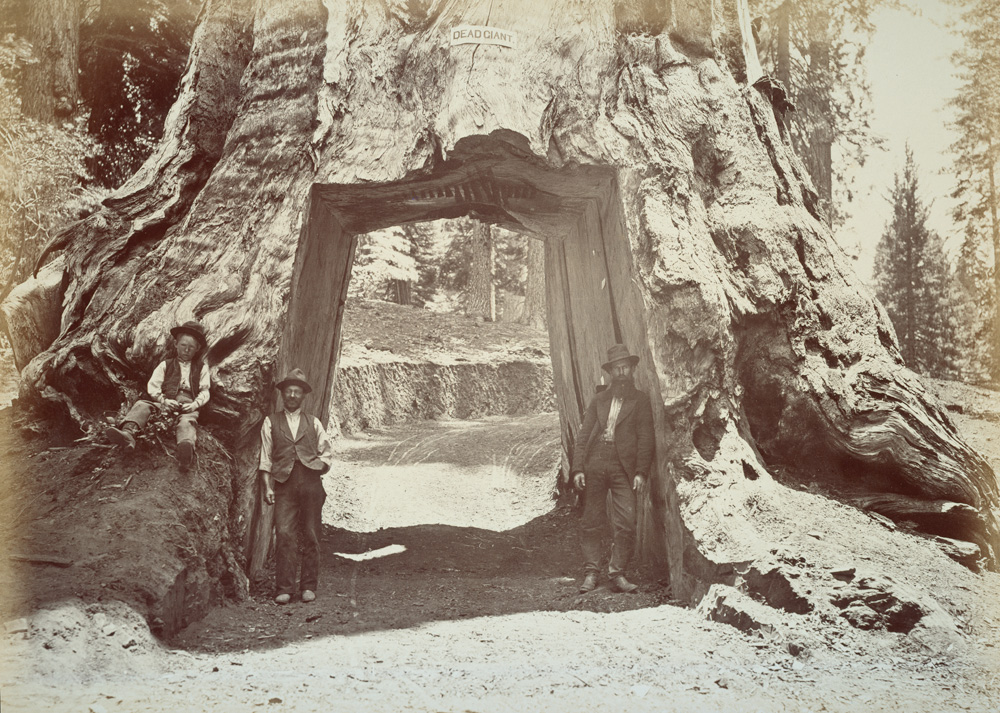
Yosemite supports diverse habitats ranging from oak woodlands and montane forests to subalpine zones. Ancient giant sequoias grow in groves such as Mariposa Grove, offering some of the largest living trees on Earth. Wildlife includes mule deer, black bears, and numerous bird and amphibian species. Indigenous people including the Ahwahnechee lived and managed these lands for millennia before Euro-American arrival. The modern conservation movement owes much to early advocates like John Muir and to legal precedents such as the 1864 Yosemite Grant that helped protect the valley and marked an early step toward national park legislation.
Recreation, management, and visitation
Administered by the National Park Service, Yosemite receives millions of visitors annually—commonly cited as over 3.5 million—who come to hike, climb, camp, photograph, and view the valley and high country. Popular activities include backpacking into the wilderness, driving scenic roads, and technical rock climbing on granite faces. To protect natural resources and visitor safety, the park operates permits, trail quotas, seasonal road closures, and education programs. Much of the park—around ninety-five percent—is managed as wilderness to preserve its natural character.
Controversies and cultural notes
Notable management debates include the long-standing controversy over the Hetch Hetchy Reservoir, built to supply water to San Francisco; many environmentalists and restoration advocates continue to argue for alternative water solutions and partial or full removal of the dam. Yosemite’s cultural impact extends into popular culture and technology: the park’s name and imagery have been used in films, art, and product names, including Apple’s operating system release Apple as OS X Yosemite. Conservation groups and visitors alike work to balance public access with long-term preservation, reflecting Yosemite’s role as both a tourist icon and a living natural laboratory.
Notable places and quick facts
- Yosemite Valley: the most-visited corridor and scenic heart of the park.
- Waterfalls: many seasonal falls; see the park’s descriptions of waterfalls.
- Wilderness: most of the park is protected as wilderness to retain natural processes and habitats.
- Size and designation: established 1890 and part of the World Heritage network.
- Hetch Hetchy: a contentious reservoir and restoration topic that continues to draw debate among advocates for environmentalism.
Yosemite remains a global symbol of wild landscapes preserved for public benefit: a place where geology, biology, and human history meet, and where ongoing stewardship determines how these values endure for future generations.
Learn more | Location details | Establishment | Early parks | UNESCO | World Heritage | Sierra Nevada | Wilderness | Waterfalls | Yosemite Falls | Hetch Hetchy | Environmentalism | Apple | OS X Yosemite
Questions and answers
Q: What is Yosemite National Park?
A: Yosemite National Park is a national park located in the state of California, U.S.A.
Q: When was Yosemite National Park created?
A: Yosemite National Park was created on 1 October 1890.
Q: What is the significance of Yosemite as a national park?
A: Yosemite National Park is significant as it was the second national park in the United States after Yellowstone, and it is also a UNESCO World Heritage Site.
Q: How big is Yosemite National Park?
A: Yosemite National Park covers 1,189 square miles (3,081 square kilometers) on the Sierra Nevada.
Q: How many people visit Yosemite National Park each year?
A: Over 3.5 million people visit Yosemite National Park each year.
Q: What is the most famous waterfall in Yosemite National Park?
A: The most famous waterfall in Yosemite National Park is Yosemite Falls.
Q: What is the Hetch Hetchy Reservoir and why is it debated?
A: The Hetch Hetchy Reservoir is located in the northern area of the park and is a debated dam project. It floods and many people supporting environmentalism are trying to get the dam removed.
Related articles
Author
AlegsaOnline.com Yosemite National Park — California granite valley, waterfalls, and wilderness Leandro Alegsa
URL: https://en.alegsaonline.com/art/109977
Sources
- whc.unesco.org : "Yosemite National Park"
- nps.gov : "Yosemite-History and Culture"
- world-waterfalls.com : "Yosemite Falls"
- sfmuseum.org : "Hetch Hetchy Damming Scheme"