
Output device (computer peripheral)
Hardware that presents processed information from a computer to the user or environment, including displays, printers, speakers, and actuators; types, functions, history and uses.
An output device is a hardware component that conveys the results of computing to people or other systems. In computing terminology it is commonly described as a peripheral that receives processed data from a computer and transforms electrical signals into human‑perceivable or mechanical effects. Output devices range from visual displays and printed pages to sound, tactile feedback, and physical motion.
Image gallery
10 Images



Common types and examples
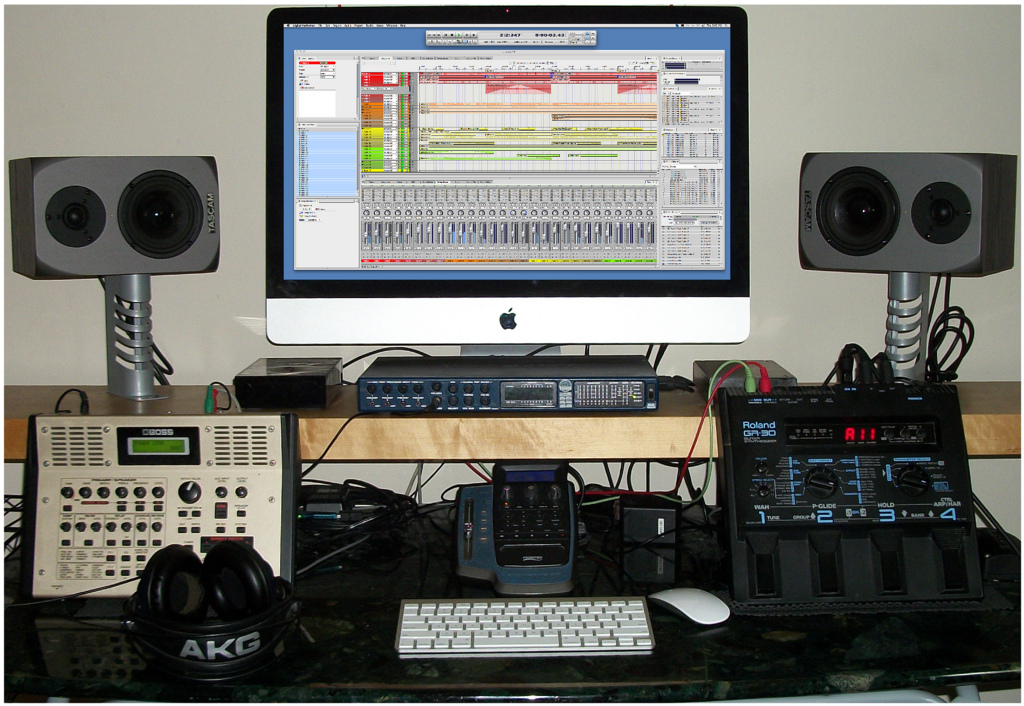
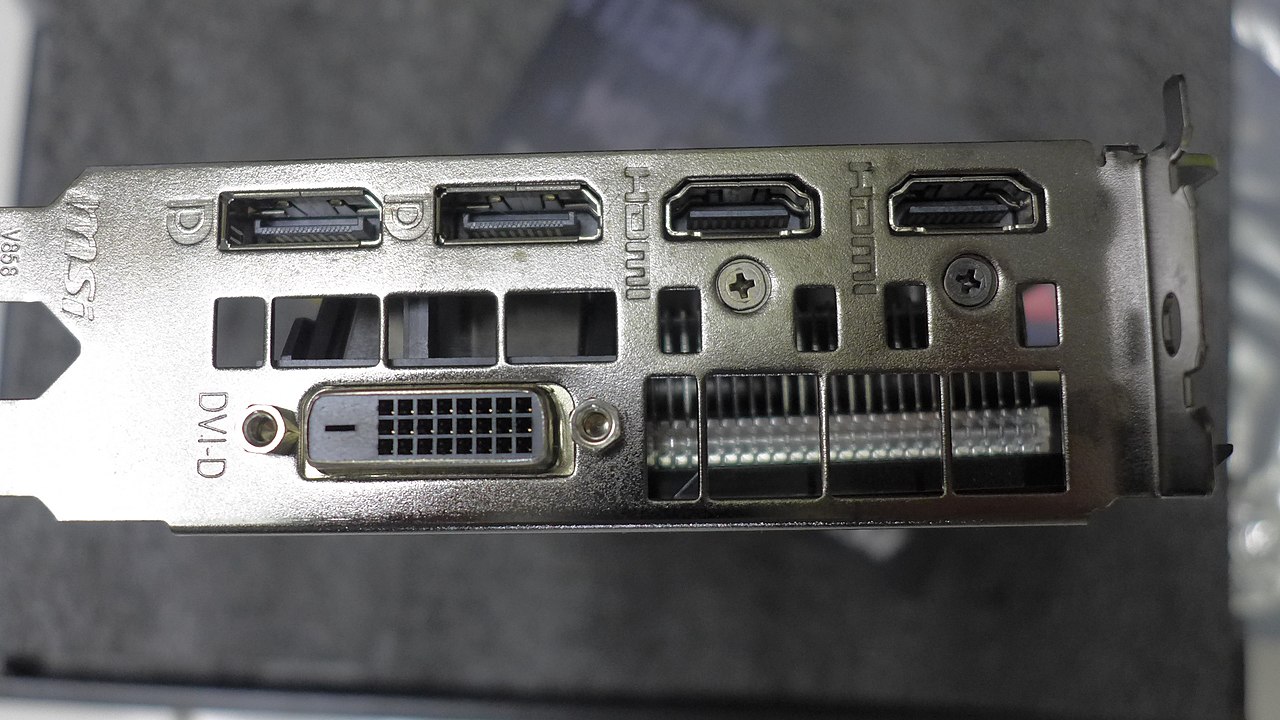
- Visual: monitors, projectors, LED indicators and printers (inkjet, laser).
- Audio: speakers, headphones, and alarms used for notifications and media.
- Tactile and haptic: vibration motors, braille displays and force‑feedback controllers.
- Actuators and industrial: motors, relays and robotic arms that enact commands in the physical world.
Many devices combine output and input roles: a touchscreen both displays information and senses touch, and multifunction printers scan as well as print. Devices are often classified by the form they present (visual, aural, tactile) or by the context of use (consumer, accessibility, industrial).
How they work
Output devices convert digital signals into another form using electrical, optical, mechanical or acoustic means. They rely on interfaces (for example wired or wireless buses), device drivers and rendering software to interpret application data. Important performance attributes include resolution and color depth for visual devices, sampling rate for audio, and accuracy or force for actuators.
Designers consider latency, fidelity and compatibility when selecting output hardware. For instance, a display’s refresh rate affects motion smoothness while a printer’s dots‑per‑inch determines textual and image clarity. Accessibility features, such as screen readers and braille displays, extend output capabilities to users with disabilities.
History and significance
Early output was mechanical or printed, evolving through teletypes and cathode‑ray tube displays to today’s high‑definition screens and complex haptic interfaces. Advances in electronics, signal processing and networking have expanded how systems present information, enabling immersive multimedia, remote monitoring and automated control in factories.
Output devices are central to human–computer interaction: they make computation actionable and interpretable. Their continued development shapes usability, accessibility and the ways people consume information and control machines.
Distinctions and notable facts
- Output is complementary to input; many devices serve both roles and are collectively called I/O devices.
- Some output devices create persistent records (printed pages), while others provide transient feedback (audio tones).
- Choice of output affects software design: applications must format and encode data appropriately for the target device.
Related articles
Author
AlegsaOnline.com Output device (computer peripheral) Leandro Alegsa
URL: https://en.alegsaonline.com/art/73672
Sources
- computerhope.com : "Output device"