
Ornithurae
Ornithurae: the clade that unites living birds with their short‑tailed relatives, defined by a plough‑shaped pygostyle; overview of anatomy, fossil record, and evolutionary importance.
Overview
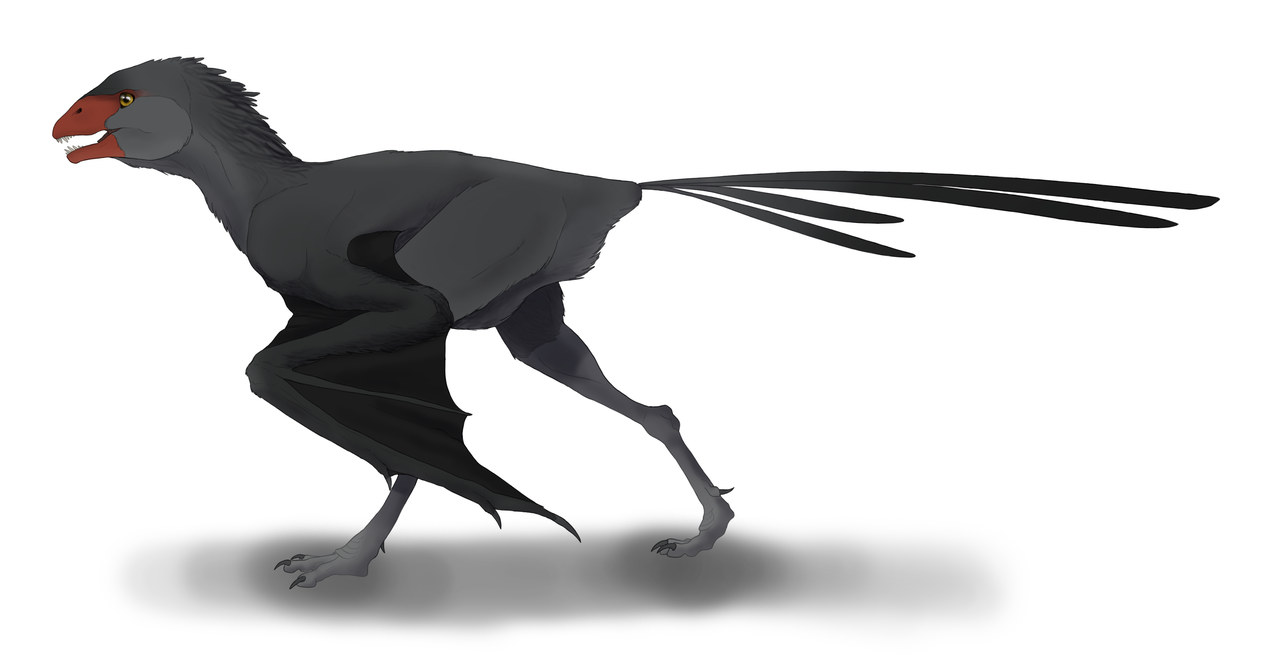
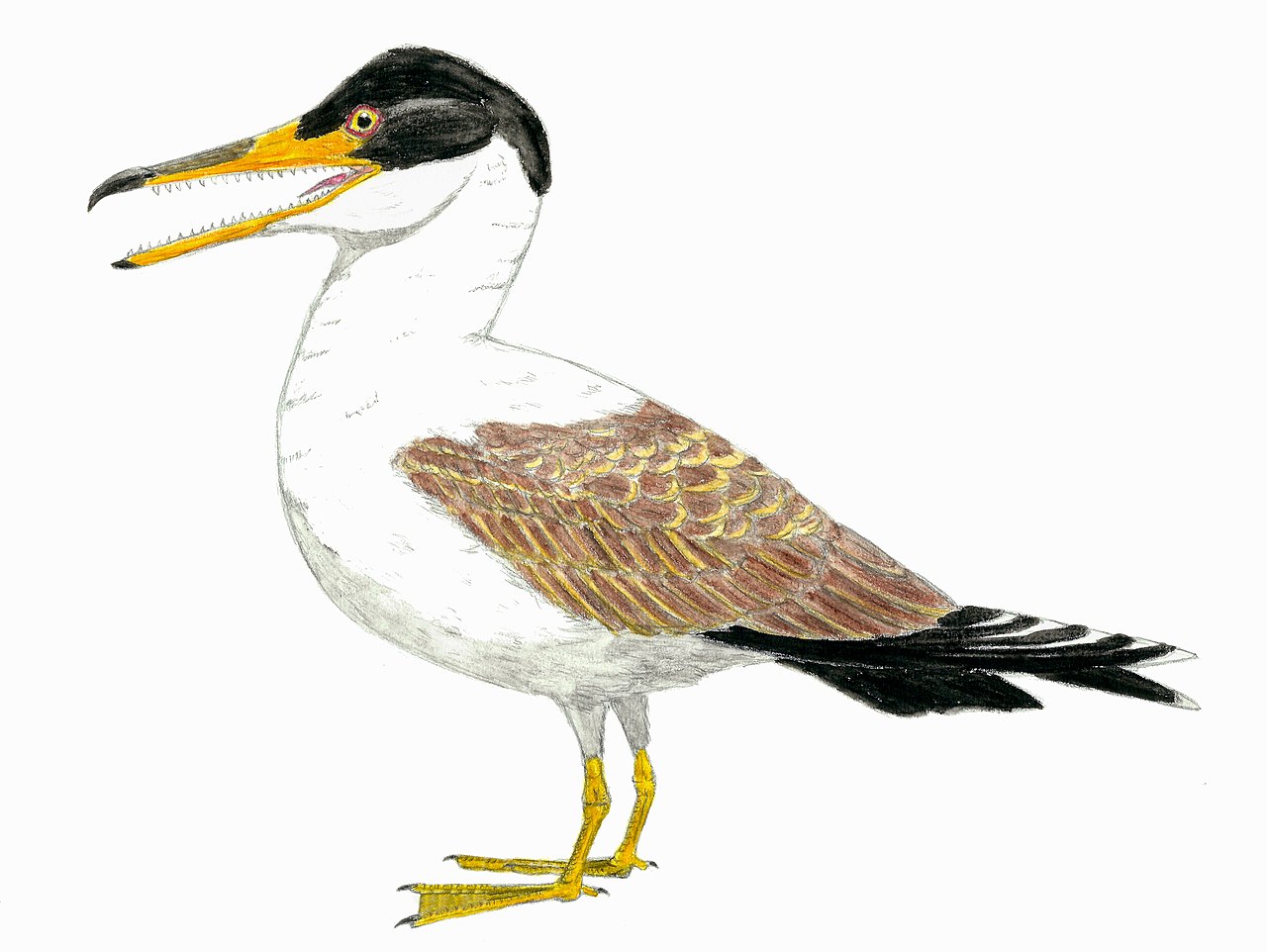
Ornithurae is a natural clade that includes all living birds and a number of their extinct relatives characterized by a shortened, fused tailbone called a pygostyle. The name Ornithurae literally refers to "bird tails" and emphasizes the evolution of a modern-style tail skeleton that supports a fan of tail feathers. For the Greek origin of the name see Greek. The group encompasses modern birds and fossil taxa such as Ichthyornis and the diving Hesperornithes.
Image gallery
10 Images





Key characteristics
Ornithurans are typically distinguished from more primitive avialans by several skeletal changes that relate to flight and tail function. Most notable is the plough-shaped pygostyle, a short bony plate formed by fused terminal caudal vertebrae that anchors tail feathers and associated muscles. This morphology allows tail feathers to be fanned and folded, aiding maneuverability, braking, and display. Other common features in many ornithurans include a more compact tail overall and progressive refinement of the shoulder and breast regions associated with powered flight.
Notable fossils and timeline
The fossil record shows ornithurans present by the Early Cretaceous. One of the earliest widely recognized members is Gansus, known from the Lower Cretaceous and recovered from deposits in China. Gansus and contemporaneous forms document intermediate stages between more basal long‑tailed avialans and the anatomy typical of modern birds. Other important extinct ornithurans include Ichthyornis, which retained teeth but had a modern tail, and the specialized, flight-capable swimming birds of the Hesperornithes.
Evolutionary significance
The transition represented by Ornithurae marks a major step toward the avian bauplan we see in living birds: a reduced tail, improved flight control, and in many lineages the development of features facilitating diverse ecologies (perching, diving, soaring). The emergence of the pygostyle permitted more complex tail feather arrangements and contributed to the fine control required for agile flight and display behaviors.
Taxonomy and usage
Ornithurae has been used in different ways by paleontologists and systematists; it is generally treated as a clade defined by common ancestry rather than by a single rank. Depending on definitions, Ornithurae can be restricted to forms closer to modern birds than to long‑tailed species like Archaeopteryx, or broader to include a range of short‑tailed Cretaceous relatives. The group helps frame comparisons between extinct lineages that converged on bird‑like flight adaptations and the ancestry of living avian diversity.
Distinctions and notable facts
- Distinguished primarily by the plough‑shaped pygostyle, which contrasts with the long, unfused bony tails of more basal avialans.
- Includes toothed, near‑modern birds (e.g., Ichthyornis) as well as toothless forms and many lineages leading to crown birds.
- Important for understanding how modifications of the tail and flight apparatus produced the behavioral versatility of modern birds.
Related articles
Author
AlegsaOnline.com Ornithurae Leandro Alegsa
URL: https://en.alegsaonline.com/art/73216