
Operation Car Wash (Operação Lava Jato) — Brazilian corruption investigation
Large-scale Brazilian probe into money laundering, bribery and contract fraud tied to Petrobras and construction firms; produced major prosecutions, international inquiries and legal debate.
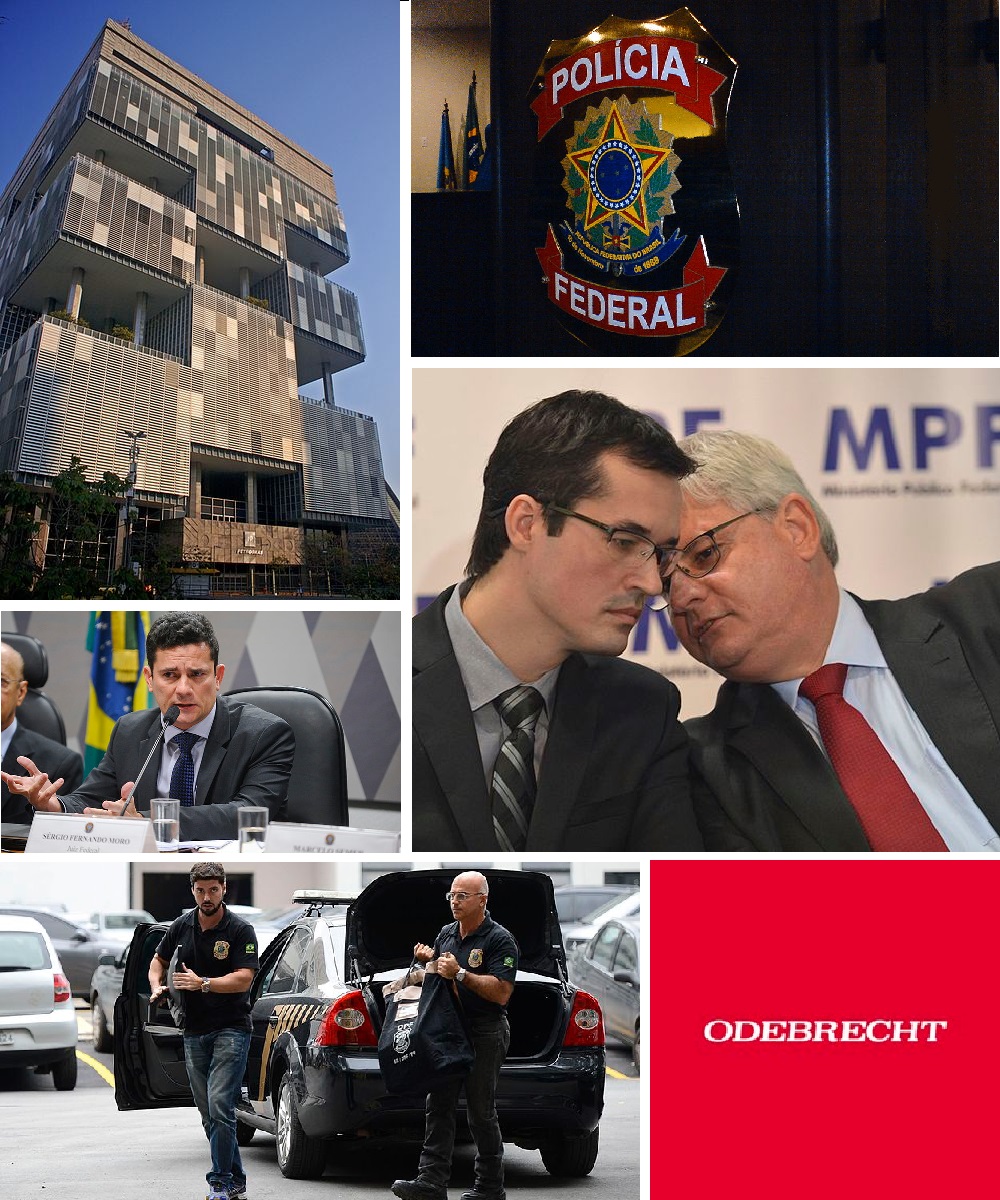
Operation Car Wash, known in Portuguese as Operação Lava Jato, is a broad criminal investigation led by Brazil's Federal Police that revealed extensive networks of money laundering, bribery and bid-rigging connected to public contracting. The inquiry began as a money-laundering probe and grew into one of the largest anti-corruption investigations in Brazil's recent history, implicating business executives, intermediaries and political figures at multiple levels of government.
Image gallery
2 Images
Origins and early investigation
The operation was named after a small car wash and auto-services business where investigators first detected suspicious cash flows and a currency-exchange network. Early work relied on financial tracing and surveillance to follow payments through shell companies and intermediaries. The original inquiry into illicit fund movements relied on methods such as wiretaps, judicial search warrants, asset seizures and cooperation agreements with defendants to uncover wider schemes; see also money laundering. The car-wash site linked to the first discoveries was in the Brasília area and is often cited as the symbolic origin of the probe (the car wash).
Petrobras, contractors and alleged schemes
Investigators say the probe uncovered a recurring pattern: large public contracts awarded to construction firms at inflated prices, with the excess funds passed back to executives, politicians and intermediaries as kickbacks. The state oil company Petrobras was a central focus because contracts and procurement there provided opportunities for illicit payments tied to major infrastructure projects. Large construction conglomerates, most notably Odebrecht, were identified as coordinating cross-border payment schemes that extended beyond Brazil; reporting and case files linked their work to projects in several Latin American countries.
Major figures and prosecutions
The investigation led to charges, convictions and prison terms for a range of participants, from business leaders to political operatives. Prominent Brazilian figures named in the cases included former presidents such as Fernando Collor de Mello, Michel Temer and Luiz Inácio Lula da Silva. In addition, related inquiries and cooperation agreements implicated political leaders and former officials in other countries; for example, investigations touched on authorities connected to Ollanta Humala and Pedro Pablo Kuczynski in Peru. Reporting has also tied large-scale contracts awarded during the administrations of Cristina Fernández de Kirchner and Néstor Kirchner in Argentina to projects later scrutinized in the wider corporate investigations. Corporate settlements and public reporting suggested that Odebrecht paid or arranged payments across many countries and that some contracting was overvalued by substantial sums.
International reach and corporate settlements
The cross-border nature of the schemes meant that authorities in several Latin American countries opened parallel investigations, and multinational cooperation between prosecutors, courts and enforcement agencies became a significant feature of the case. Some companies entered into plea agreements or negotiated settlements that included fines, compliance commitments and cooperation with prosecutors; these agreements helped prosecutors map international payment networks and identify recipient intermediaries in other jurisdictions.
Impact, controversy and institutional response
Operation Car Wash had major political and institutional consequences. Supporters argued it exposed entrenched corruption, secured convictions, and recovered assets, while critics raised concerns about investigative techniques, judicial conduct and the broader political effects of high-profile prosecutions. Debates focused on the balance between aggressive anti-corruption enforcement and safeguards for due process. The operation also stimulated reforms: stronger corporate compliance programs, enhanced collaboration among regional law-enforcement bodies, and renewed public attention to procurement transparency and oversight.
- Methods used: wiretaps, financial tracing, plea bargains, asset seizures and cross-border cooperation.
- Primary corporate actors: major construction firms and engineering conglomerates coordinating contracts and payments.
- Wider consequences: legal reforms, corporate settlements, political controversy and institutional debate over investigative powers.
Scholars and legal analysts continue to assess Operation Car Wash's long-term legacy: the extent to which it strengthened institutional accountability, changed corporate behaviour, and promoted regional anti-corruption cooperation, balanced against concerns about procedure and political polarization. For detailed legal documents, contemporaneous reporting and academic studies, consult official judicial records and specialized analyses produced by investigative reporters and legal scholars who have tracked the operation and its aftermath.
Related articles
Author
AlegsaOnline.com Operation Car Wash (Operação Lava Jato) — Brazilian corruption investigation Leandro Alegsa
URL: https://en.alegsaonline.com/art/72812