
Operation Entebbe (Operation Jonathan): 1976 Israeli hostage rescue at Entebbe Airport
Operation Entebbe was a July 1976 Israeli commando raid to free hostages held at Entebbe Airport, Uganda, after an Air France hijacking. The raid freed most hostages but cost Lt. Col. Yonatan Netanyahu his life.
Overview
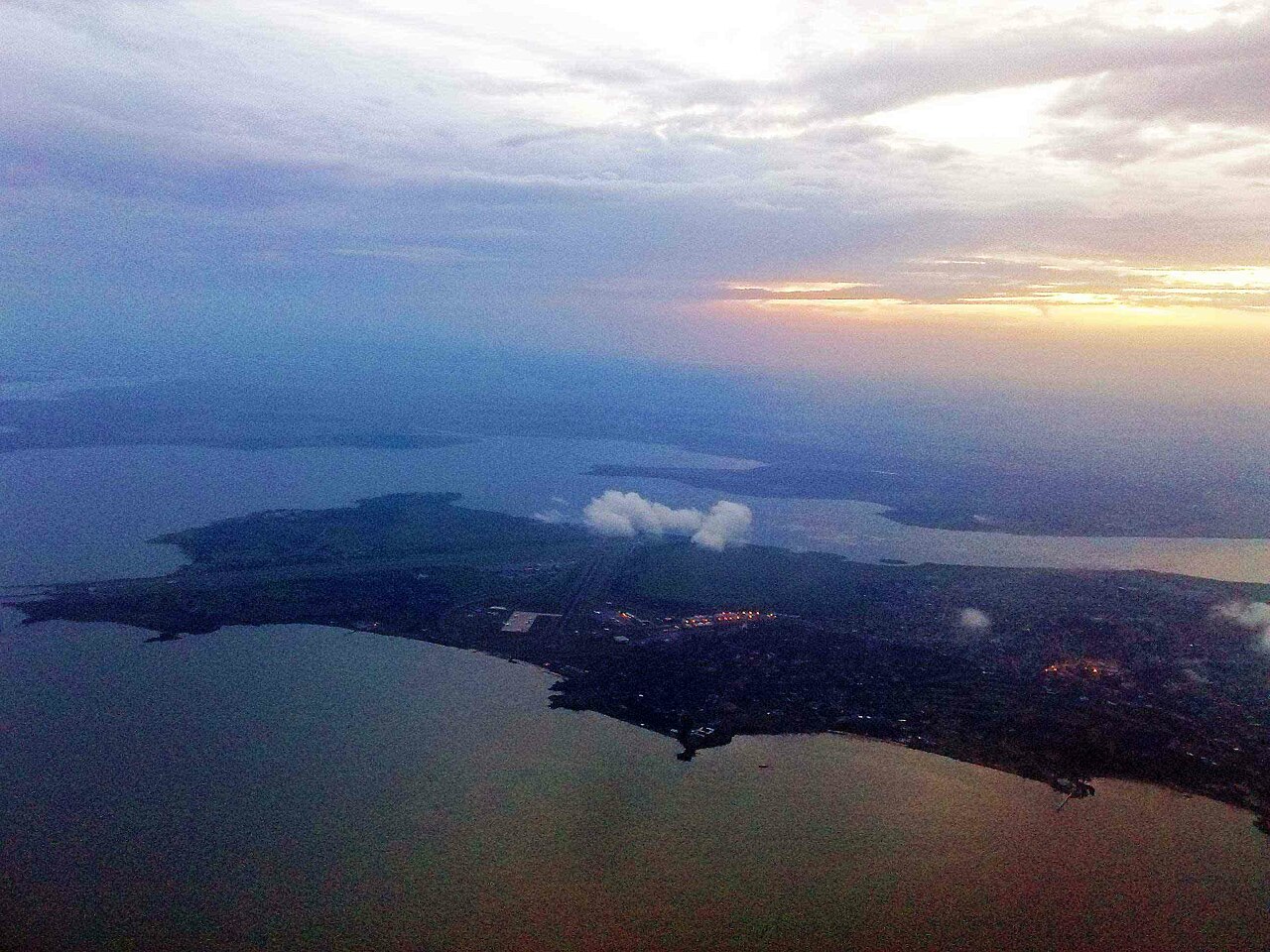
Operation Entebbe, also called Operation Jonathan, was a high‑profile counter‑terrorism rescue carried out by Israeli forces in early July 1976. The mission responded to the hijacking of an Air France airliner on 27 June 1976. After being diverted and flown to Entebbe, Uganda, many passengers were released in stages; however, a large group—mostly citizens identified as Israeli and Jewish—remained hostages. On 4 July 1976 Israeli special forces mounted a long‑range, surprise assault on Entebbe Airport in Uganda to free the remaining detainees.
Image gallery
10 Images


Hijacking and demands
The flight was seized by militants who identified themselves as Palestinian and allied extremists and who sought the release of imprisoned comrades held in Israel and other states. The hijackers’ political demand—release of prisoners—involved multiple countries, and they explicitly named detainees held in Israel and in four other countries. During the standoff, many hostages were separated and some non‑Israeli nationals were released, but about 106 people of Israeli or Jewish background were left behind, creating a humanitarian and strategic crisis.
Planning and execution
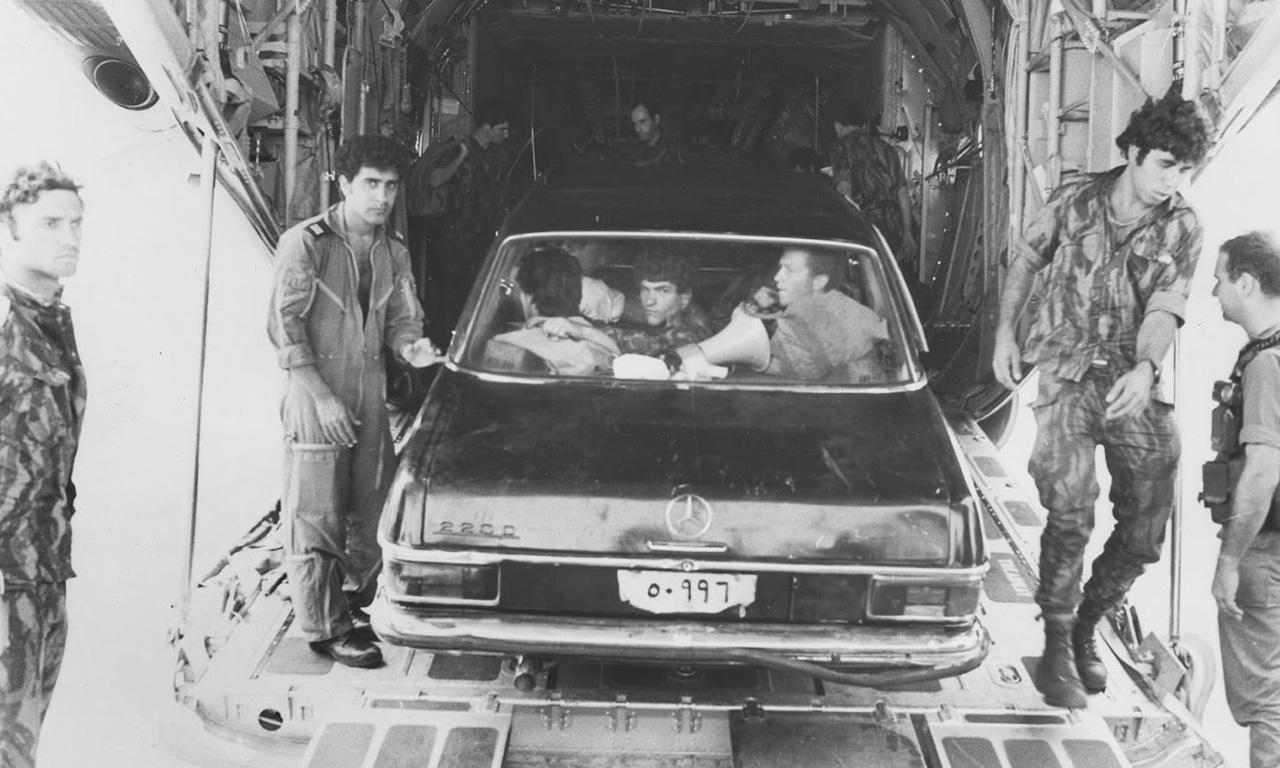
Israeli military planners prepared a daring, long‑distance rescue that combined intelligence, airborne mobility and a tightly trained commando unit. The assault force flew roughly 2,500 miles to Entebbe in several transport aircraft and staged a rapid ground operation on the terminal. Commandos used deception and speed to reduce resistance; accounts describe rehearsals, careful reconnaissance and the use of a vehicle meant to resemble Ugandan official transport as part of the approach. The assault was accomplished in a short, intense ground action that secured the terminal building and evacuated the surviving hostages to the awaiting aircraft.
Outcome and casualties
The operation succeeded in freeing the majority of the remaining hostages; contemporaneous reports cite approximately 102 rescued. The raid was not without loss: Lt. Col. Yonatan Netanyahu, who led the ground assault, was the most prominent member of the rescuers to be killed. Some hostages died either during the hijacking or in the immediate aftermath, and at least one elderly hostage who had been taken to a hospital before the raid was later murdered in Uganda. The exact figures for casualties have been discussed in many accounts; memorials and inquiries followed the incident.
Significance and international reaction
Operation Entebbe became a defining example of a cross‑border hostage rescue. It demonstrated the capability of a relatively small special‑operations force to project power at long range and to conduct complex planning under political pressure. The raid drew wide international attention and a mixture of praise and criticism: supporters hailed its precision and humanitarian motive, while critics raised questions about sovereignty and the risks of unilateral military intervention on foreign soil. The episode also strained relations between Israel and Uganda and affected regional diplomacy.
Legacy and notable facts
- The operation is often cited in military studies as a case of successful special‑operations planning and execution.
- It is remembered in Israel as a moment of national resolve and sacrifice; Yonatan Netanyahu in particular became a symbol of the raid.
- The event influenced later counter‑terrorism training, hostage negotiation policy, and international discussion about responses to hijacking and political violence.
For further background on the hijacking and the people involved, see contemporaneous reporting and specialist studies of 1970s terrorism and special‑operations history. The incident remains widely referenced in discussions of hostage rescue, international law and state responses to terrorism.
Related topics: hijacking, Palestinian militants, Israel, biographical material on Yonatan Netanyahu.
Questions and answers
Q: What was Operation Entebbe?
A: Operation Entebbe was an Israeli hostage rescue mission.
Q: When did Operation Entebbe occur?
A: Operation Entebbe took place in July 1976 in Entebbe, Uganda.
Q: What triggered Operation Entebbe?
A: An Air France airplane was hijacked by Palestinian terrorists on 27 June 1976, leading to Operation Entebbe.
Q: What did the hijackers want?
A: The Palestinian terrorists wanted the release of prisoners held in Israel and four other countries.
Q: Were all hostages released before Operation Entebbe?
A: Many of the hostages were later released but 106 Israelis and Jews were still held when Operation Entebbe was planned and executed.
Q: How many hostages were rescued during Operation Entebbe?
A: 102 of the passengers were rescued during Operation Entebbe.
Q: Who was the only rescuer to be killed during Operation Entebbe?
A: Lt Col Yonatan Netanyahu, who led the mission, was the only rescuer to be killed during Operation Entebbe.
Related articles
Author
AlegsaOnline.com Operation Entebbe (Operation Jonathan): 1976 Israeli hostage rescue at Entebbe Airport Leandro Alegsa
URL: https://en.alegsaonline.com/art/72816
Sources
- specwarnet.net : "Operation Jonathan"