
Ollanta Humala: Peruvian politician and former president
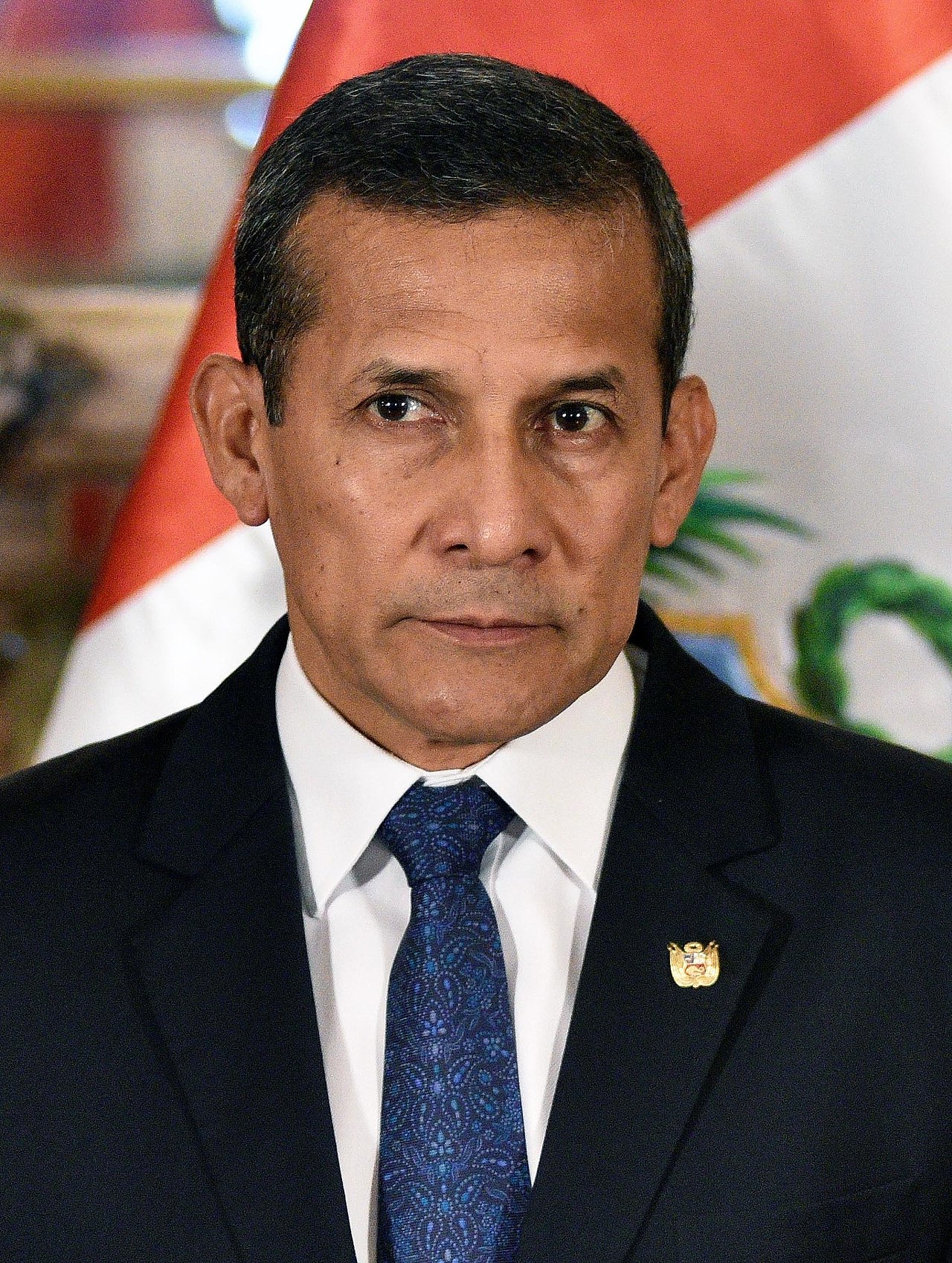
Ollanta Humala is a Peruvian politician and former army officer who served as president from 2011 to 2016. His presidency blended social inclusion goals with pragmatic economic policies and remains politically significant.
Overview
Ollanta Moisés Humala Tasso (born 27 June 1962) is a Peruvian politician and former army officer who served as President of Peru from 2011 to 2016. He first became widely known as a national figure during his 2006 presidential campaign and returned to win the presidency in a closely contested 2011 runoff. Humala has been associated with nationalist currents and with a public profile that combined military credentials and appeals to social inclusion.
Image gallery
7 Images



Early life and military career
Humala was born into a family engaged in social and political life and trained as a professional soldier. During his military career he served in various units involved in internal security and border duties. His service and leadership in the armed forces contributed to his reputation for discipline and national sovereignty, qualities he emphasized when entering politics.
Political rise and presidential campaigns
After leaving active military service Humala entered electoral politics, positioning himself on a platform that mixed nationalistic rhetoric with promises to address inequality and expand state presence in neglected regions. He ran for president in 2006 and was defeated in the runoff, but he remained a prominent political figure and reorganized his approach ahead of the 2011 contest. In 2011 he defeated Keiko Fujimori in the second round, overcoming concerns among some sectors about his earlier rhetoric and securing a mandate to govern. His candidacy drew attention to the Peruvian nationalist movement and to debates over how to combine social programs with economic stability.
Presidency: agenda and policies
As president Humala prioritized poverty reduction, increased social spending, and investment in rural and indigenous communities. His administration launched or expanded programs aimed at improving access to health, education and basic services for marginalized populations, while also seeking to maintain macroeconomic stability and investor confidence. This pragmatic balance led to a mix of policies often described as left-leaning in social aims but cautious on market and fiscal issues.
Economic and social approach
Humala's government worked with private and public actors to promote infrastructure projects and to improve service delivery in remote areas. Rather than pursuing abrupt nationalizations or radical economic shifts, his administration largely sought to combine targeted social measures with policies designed to reassure domestic and international investors. Debates during and after his term focused on the effectiveness of those measures and on the degree to which long-term structural inequalities were addressed.
Foreign policy and regional role
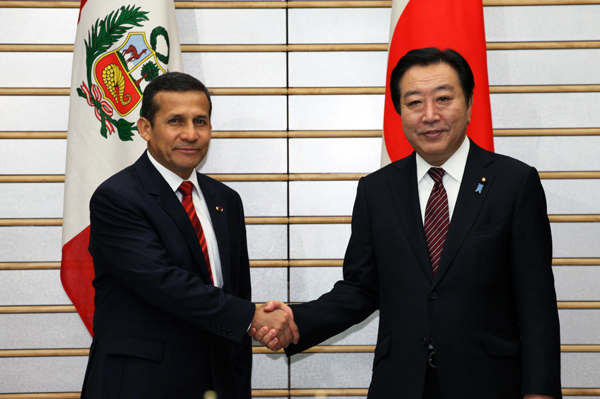
In foreign affairs Humala aimed to strengthen regional ties and to position Peru as an active participant in South American diplomacy. His presidency engaged with neighbors on trade and cooperation, while also navigating the complex dynamics of multilateral forums and bilateral relations.
Controversies and later developments
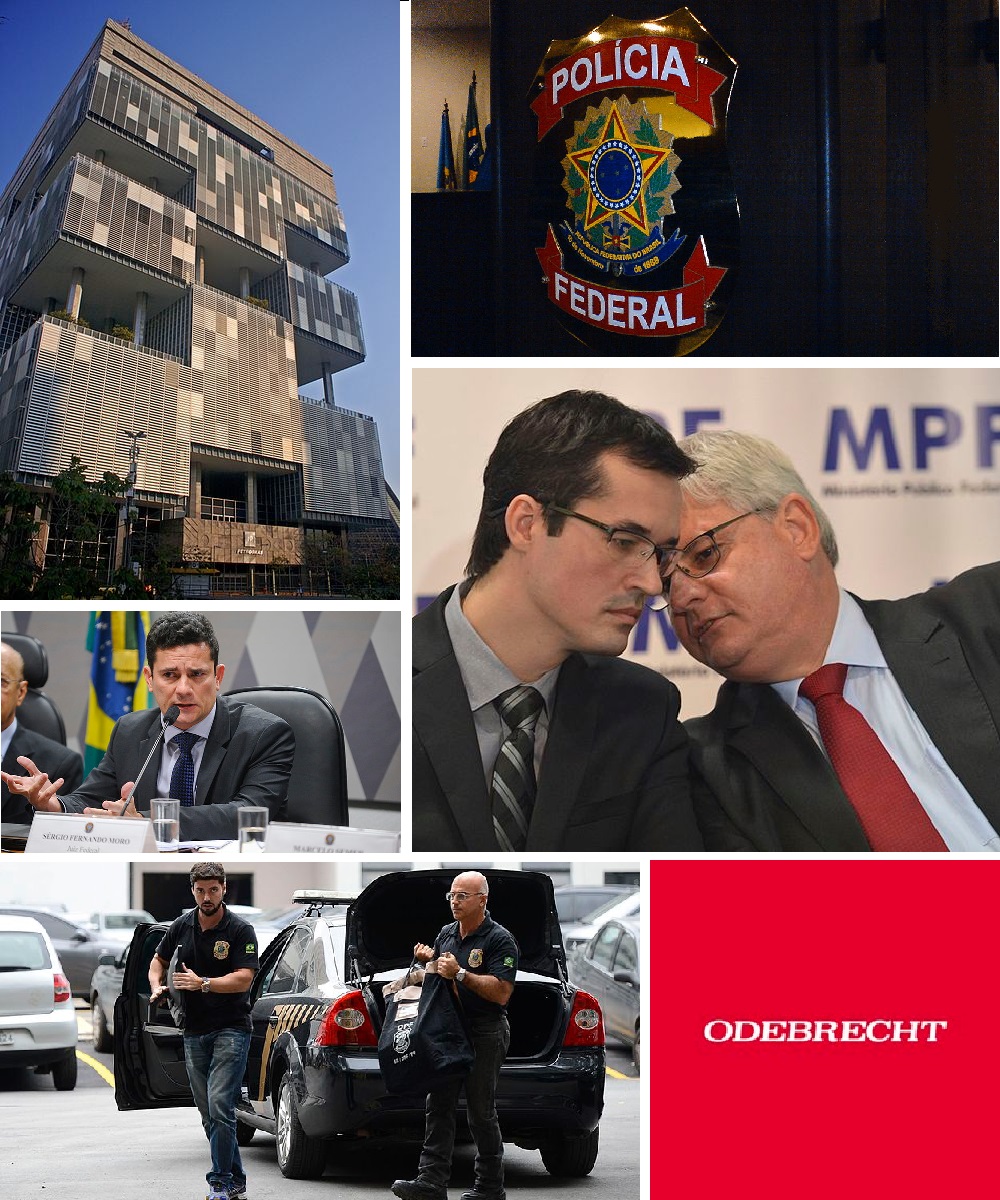
After leaving office Humala faced legal inquiries and public scrutiny related to campaign financing and allegations tied to broader regional scandals. Those matters prompted investigations and judicial review that received extensive media attention and remained contested in legal processes. The outcomes and interpretations of these inquiries have been part of ongoing public debate in Peru.
Legacy and significance
- Political stance: began with nationalist rhetoric but governed with pragmatic, market-aware policies.
- Social agenda: emphasized poverty reduction and expanded social programs for rural and indigenous communities.
- Public debate: his term influenced discussions about how nationalist leaders engage with modern economies and international investment.
Humala remains a prominent figure in Peruvian public life, cited in analyses of contemporary political shifts and in assessments of the country’s balance between social policy and economic stability. For further context see profiles of his campaigns and administration, including reporting on his 2006 run, the 2011 victory over Keiko Fujimori, and references to the political legacy of former president Alberto Fujimori.
Author
AlegsaOnline.com Ollanta Humala: Peruvian politician and former president Leandro Alegsa
URL: https://en.alegsaonline.com/art/127890