
Operation Eagle Claw (Operation Tabas) — 1980 U.S. hostage rescue attempt
A 1980 U.S. military attempt to free American diplomats held in Tehran. The mission failed after mechanical problems and a collision; it influenced U.S. special operations reform and presidential politics.
Operation Eagle Claw was a 1980 United States military mission ordered to free American embassy staff held hostage in Tehran during the Iran hostage crisis. The raid—called Operation Tabas in Iran—was staged at night and relied on long-range helicopters, transport aircraft, and specially trained ground forces. It is remembered for its complex planning, equipment failures, and the catastrophic incident that forced its abort.
Image gallery
10 Images




Plan and forces involved
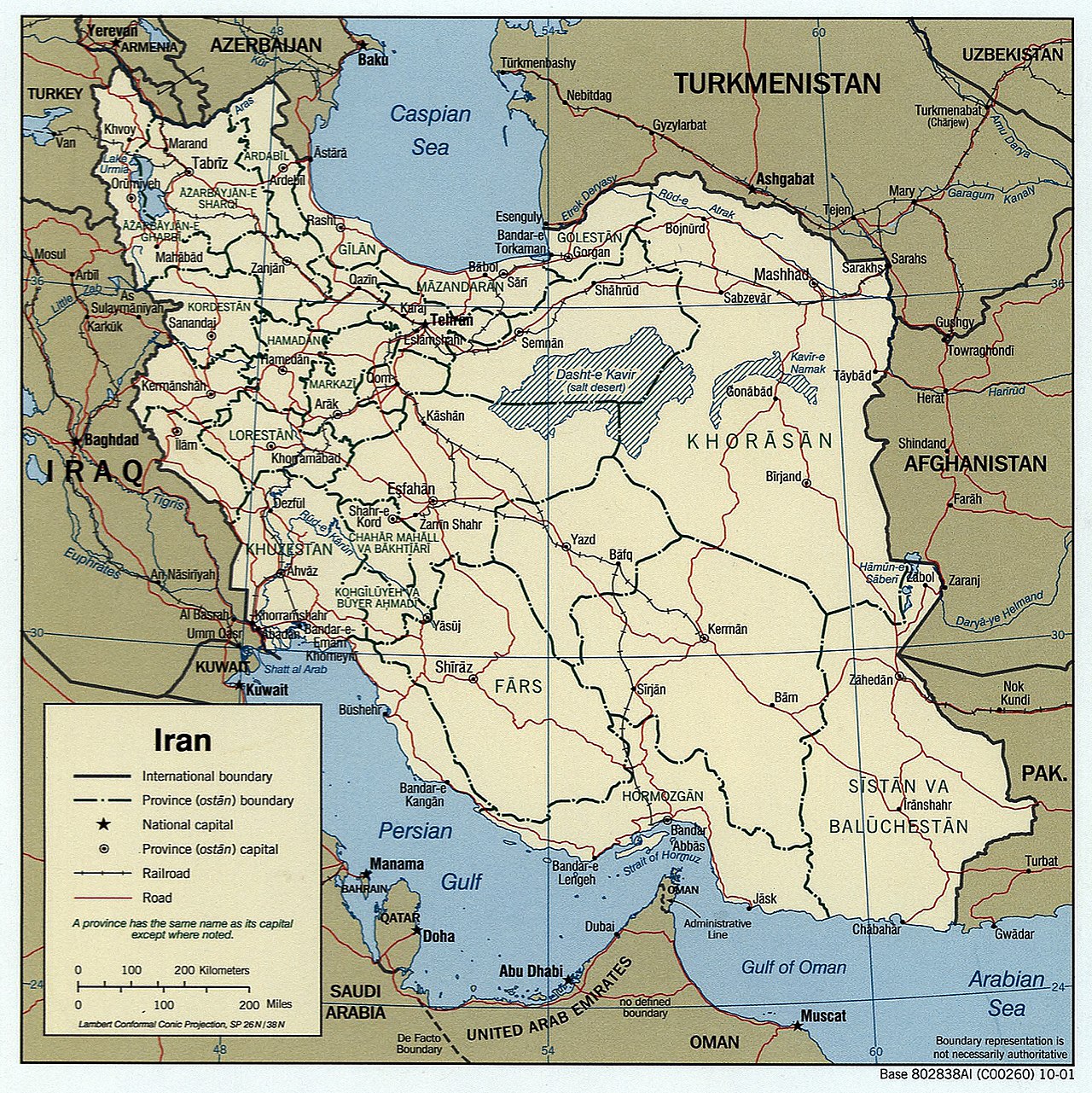
The operation brought together units from several services, including special operations forces, helicopter squadrons and Air Force transport crews. The concept called for helicopters to fly covertly to a desert staging area to rendezvous with transports, refuel, and then carry assault teams to Tehran for a rapid rescue. The plan depended on a specific number of serviceable helicopters and precise timing under austere conditions.
What went wrong
During the approach to the desert staging area near Tabas, mechanical problems reduced the number of available helicopters below the minimum required. While preparing to abort and return, a helicopter collided with a transport aircraft during refueling, causing an explosion and fire. The crash killed several U.S. service members and destroyed aircraft. Commanders terminated the mission and evacuated, leaving the hostages in Iran.
Consequences and legacy
The mission's failure had immediate political and institutional effects. It damaged American prestige, became a subject of domestic political debate—President Jimmy Carter later cited the unsuccessful rescue as a factor in the 1980 presidential election—and intensified scrutiny of how U.S. special operations were organized and equipped. In the years after, the U.S. restructured training, command relationships, and procurement for special operations forces to reduce the risk of similar failures.
Historical significance
- The raid is often studied as an example of the difficulties of long-range, joint special operations under austere conditions.
- It contributed to reforms aimed at improving interservice coordination and readiness.
- The hostages remained in Iran until later diplomatic negotiations concluded; the incident shaped U.S.–Iran relations and American public perception of the crisis.
For a broader chronology and analysis of the hostage crisis and U.S. responses, see summaries of the overall event and presidential decisions. Contemporary and retrospective accounts examine planning choices, logistics, and lessons learned; these sources help explain why the operation failed and how it shaped later policy and military organization (planning records, diplomatic histories).
Related articles
Author
AlegsaOnline.com Operation Eagle Claw (Operation Tabas) — 1980 U.S. hostage rescue attempt Leandro Alegsa
URL: https://en.alegsaonline.com/art/72815
Sources
- www2.afsoc.af.mil : AFSOC.af.mil · web.archive.org
- usatoday.com : "Jimmy Carter: Iran hostage rescue should have worked"