
Néstor Kirchner: Argentine leader and founder of contemporary Kirchnerism
Overview of Néstor Kirchner (1950–2010), his rise from Patagonia to the presidency of Argentina (2003–2007), major policies, regional role, and political legacy.
Overview
Néstor Kirchner (25 February 1950 – 27 October 2010) was an Argentine lawyer and politician who served as President of Argentina from 2003 to 2007. Born in the southern province of Santa Cruz in Patagonia, Kirchner rose through provincial politics to become a national figure. After leaving the presidency he continued to shape politics from behind the scenes and briefly held the inaugural post of Secretary General of the Union of South American Nations (UNASUR) in 2010.
Image gallery
10 Images

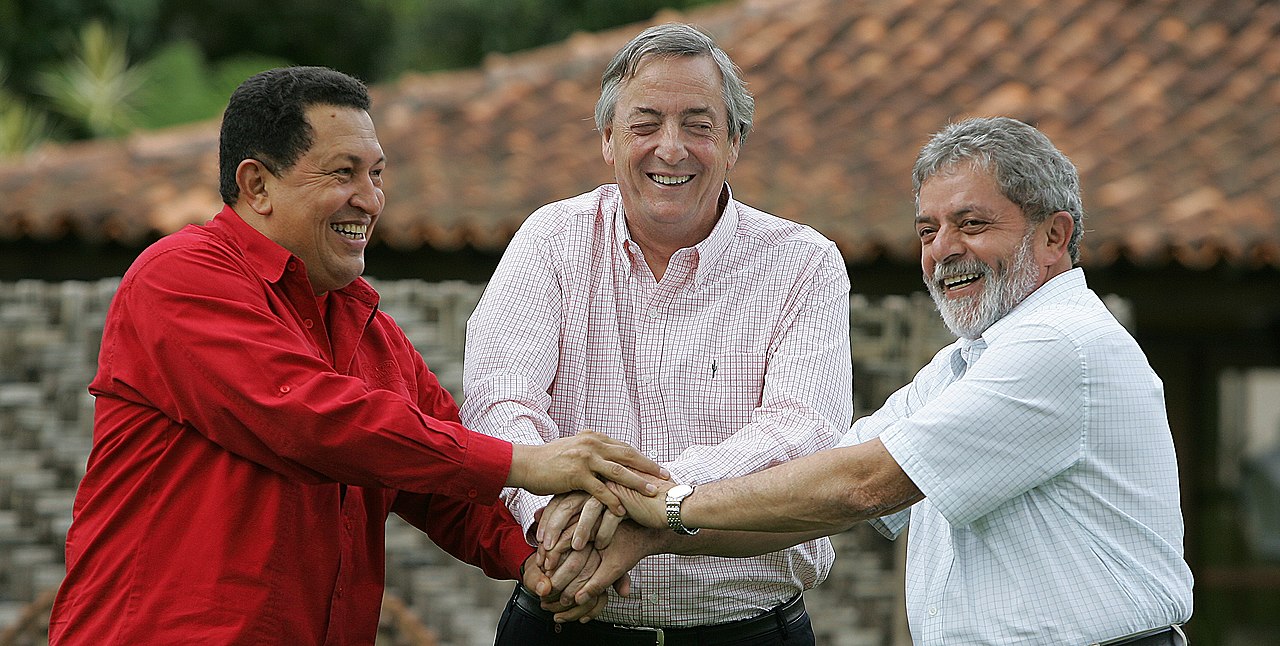


Political career and rise
Kirchner began his public career in Santa Cruz, where he served as provincial governor and built a local power base. He launched a successful bid for the presidency in 2003 following the turbulent years of the early 2000s and the interim leadership of Eduardo Duhalde. His election marked a shift within the Peronist movement and the emergence of a faction commonly called "Kirchnerism," tied to a more interventionist economic stance and activist human-rights policies.
Policies and priorities
During his term Kirchner prioritized national economic recovery after the 2001 crisis, debt restructuring, and strengthening state institutions. His government supported the reopening of trials for human-rights abuses committed under the 1976–1983 dictatorship and reversed earlier amnesty measures. Internationally, Kirchner favored closer ties with neighboring countries and sought a more autonomous regional stance from traditional external creditors and institutions.
Legacy and influence
- He left office in 2007 having set the political groundwork for his wife, Cristina Fernández de Kirchner, who later served as president.
- Kirchner is credited with reshaping the Peronist movement and establishing a durable political current often identified by his surname; his supporters emphasize social inclusion and state intervention in the economy.
- In May 2010 he was appointed the first Secretary General of UNASUR, reinforcing his interest in South American integration before his unexpected death later that year.
Death and notable facts
Kirchner died on 27 October 2010 in El Calafate from acute heart failure following cardiac problems. His passing provoked a wide public reaction in Argentina and prompted reflection on the political and institutional changes of his era. Observers note both achievements in stabilizing the economy and continuing debates over governance style, corruption allegations, and the concentration of political power associated with his movement. For more on his life and political context, see entries about Argentina and on the role of his widow in subsequent administrations.
Author
AlegsaOnline.com Néstor Kirchner: Argentine leader and founder of contemporary Kirchnerism Leandro Alegsa
URL: https://en.alegsaonline.com/art/127341