
Operation Meetinghouse — Tokyo firebombing (9–10 March 1945)
A major nighttime incendiary air raid by the United States on Tokyo during World War II that created a devastating firestorm, killed about 100,000 people and left roughly one million homeless.
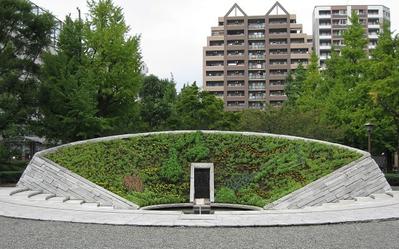
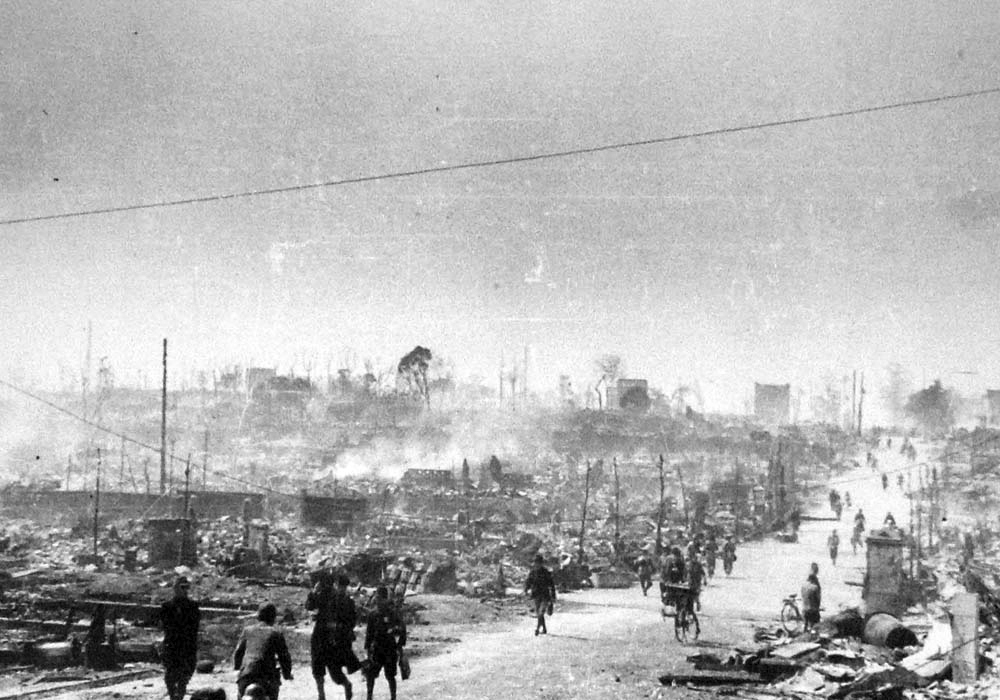
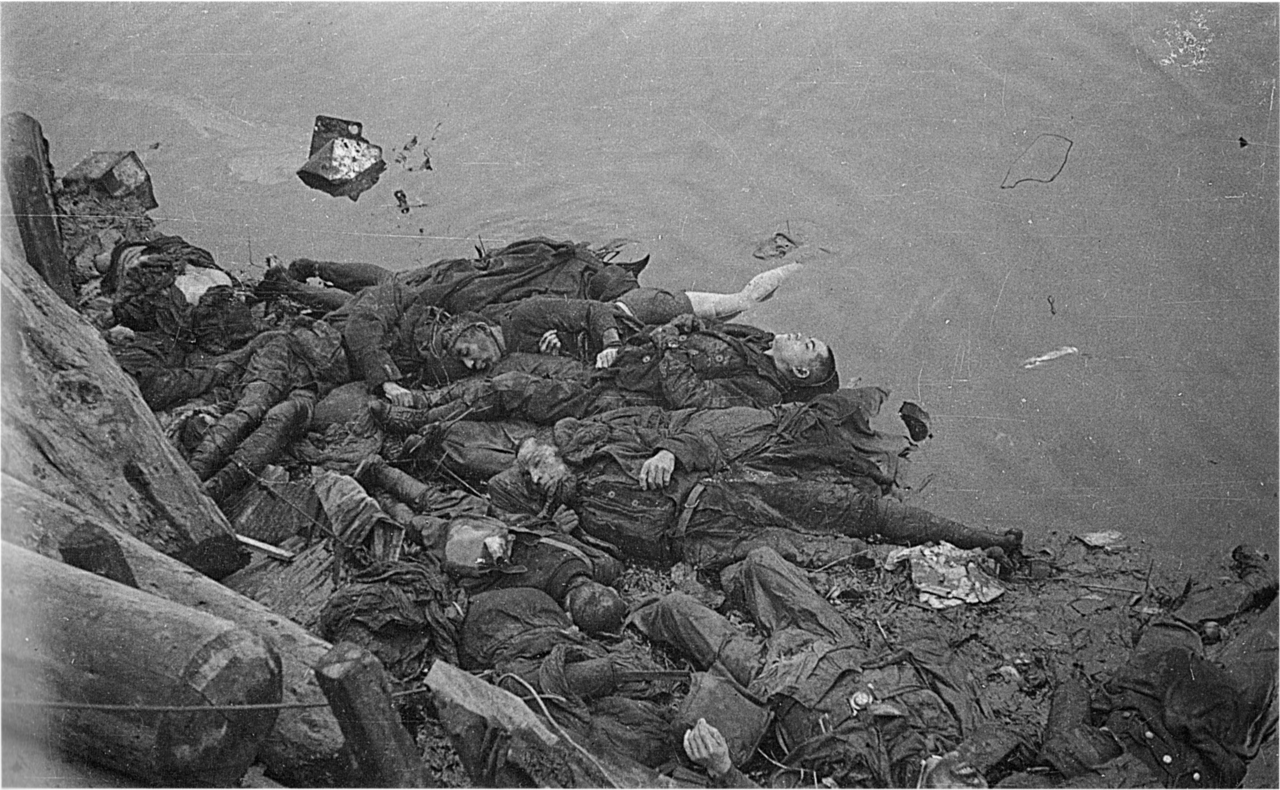
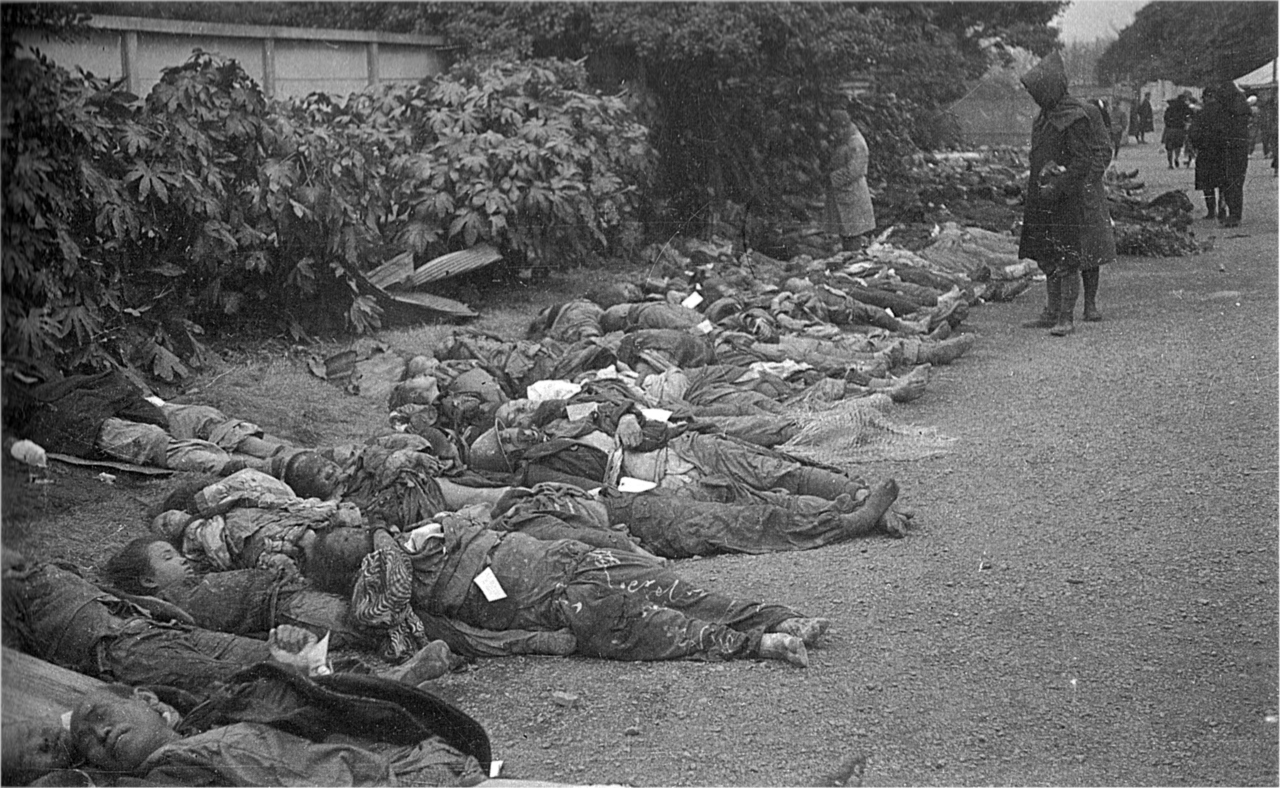
Operation Meetinghouse was the designation for the large-scale nighttime air raid on Tokyo carried out by the United States on the night of 9–10 March 1945. Planned as part of a wider strategic bombing campaign, the raid used waves of long-range bombers to drop many small incendiary devices rather than attempting individual precision strikes. The resulting conflagration is widely described as a catastrophic firestorm that caused extraordinarily high civilian casualties and vast urban destruction in the Japanese capital, Tokyo.
Image gallery
10 Images




Background and strategic shift
By early 1945 Allied planners had reassessed the effectiveness of high-altitude, daylight precision bombing against dispersed Japanese industry and frequently poor weather. Under new tactics advocated by commanders such as Curtis LeMay, the USAAF switched to low-altitude, nighttime area bombing that relied on incendiary weapons delivered in large numbers. The objective was to destroy industrial production located in and among dense residential districts and to break the enemy's war-sustaining capacity.
Tactics, weapons and effects
The raid was executed primarily by long-range heavy bombers, including the B-29 Superfortress, flying in formation and saturating wide urban zones with incendiary bomblets. Tokyo's largely wooden housing and narrow streets allowed small fires to merge rapidly into an uncontrollable blaze. Contemporary accounts and postwar studies estimate that the attack killed on the order of 100,000 people, destroyed tens of square miles of the city, and rendered roughly one million residents homeless.
Aftermath and significance
Operation Meetinghouse is commonly cited as the single most destructive air raid in history by immediate loss of life. It marked a decisive and controversial turning point in Allied air doctrine against Japan and contributed to the cumulative pressure that followed later in 1945. The raid also intensified public and scholarly debate about the ethics and legality of large-scale bombing of cities with predominantly civilian populations.
Legacy and notable facts
- Operation name: often referenced as the Great Tokyo Air Raid in historical accounts.
- Conducted by forces of the United States against the Empire of Japan.
- Use of the B-29 and mass incendiaries reshaped bombing tactics for the remainder of the war.
- The conflagration has been analyzed in studies of urban firestorms and civil defense planning (incendiary weapons and material vulnerability).
- Primary contemporary descriptions emphasize the scale of the firestorm and the humanitarian consequences for Tokyo.
Scholars continue to examine Operation Meetinghouse for its military impact, its role in the larger Pacific war, and its moral implications. For further reading, historians point to operational records and survivor testimony to understand both the immediate effects and the longer-term social and urban consequences of the attack.
Related articles
Author
AlegsaOnline.com Operation Meetinghouse — Tokyo firebombing (9–10 March 1945) Leandro Alegsa
URL: https://en.alegsaonline.com/art/72820
Sources
- japantimes.co.jp : "Legacy of the Great Tokyo Air Raid"
- tokyo-sensai.net : "English – 東京大空襲・戦災資料センター"