
Michel Temer (Brazilian politician)
Brazilian lawyer and politician who served as Vice President (2011–2016) and President (2016–2019) after the impeachment of Dilma Rousseff, noted for economic reform attempts and contested legal inquiries.
Overview
Michel Miguel Elias Temer Lulia (born 23 September 1940), commonly known as Michel Temer, is a Brazilian lawyer and politician who served as Vice President of Brazil from 2011 until 2016 and as President from 2016 to 2019. He assumed the presidency when President Dilma Rousseff was suspended during an impeachment trial and took office permanently after her removal. A long-serving figure in national politics, Temer is associated with the Brazilian Democratic Movement (PMDB, now MDB) and is widely regarded as an experienced parliamentary negotiator and centrist leader.
Image gallery
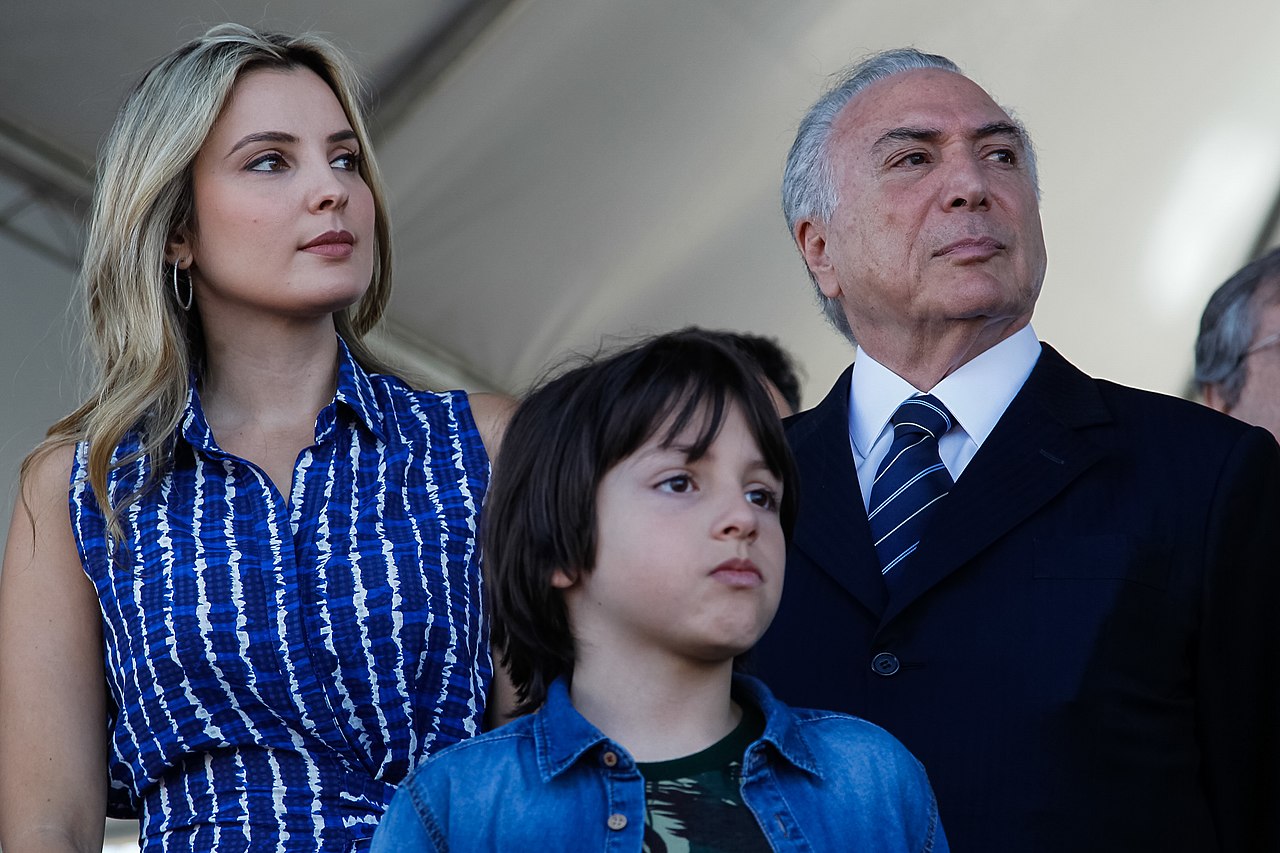
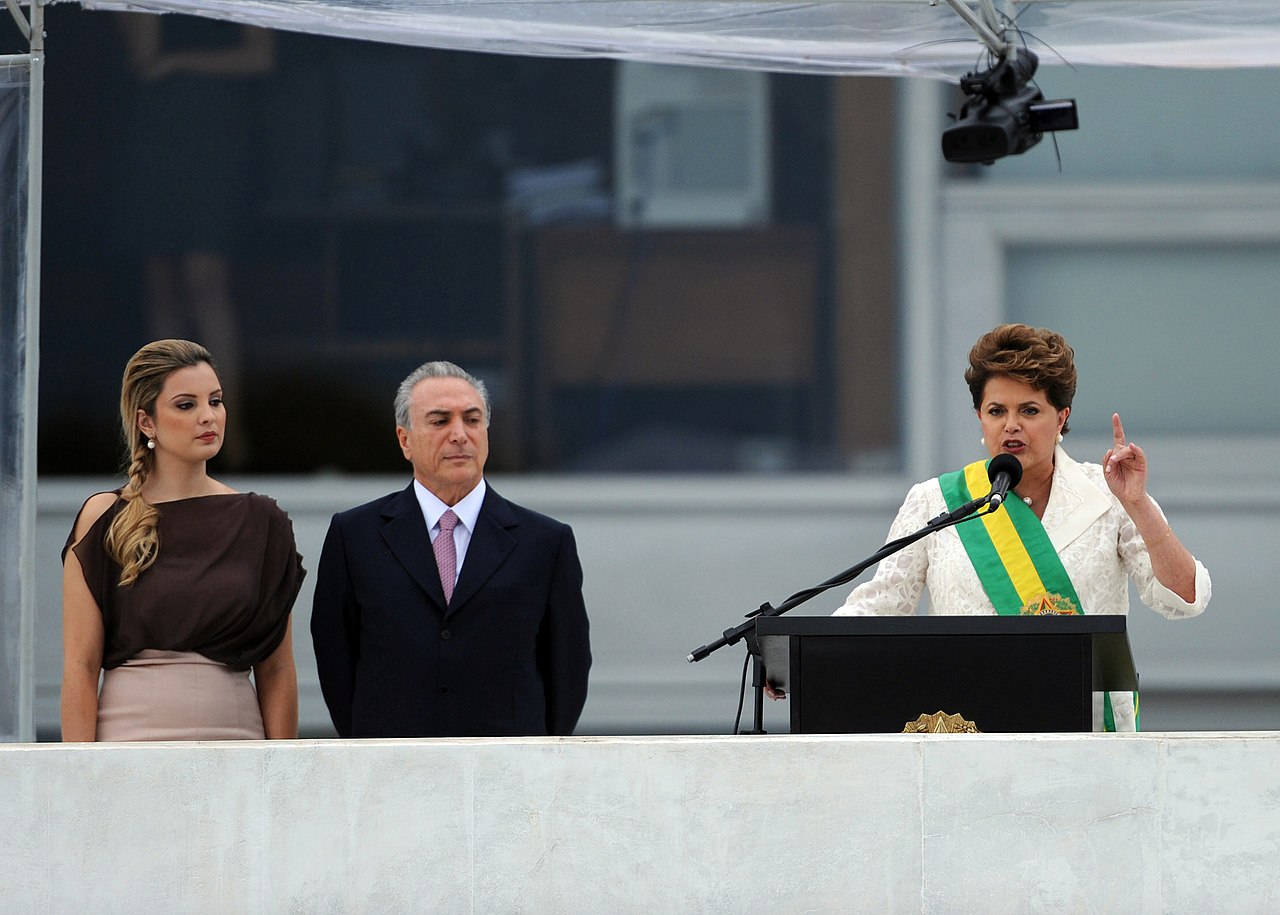
10 Images



Background and political career
Temer trained as a lawyer and built a career that combined legal practice, teaching and elected office. Over several decades he represented his state in the federal Chamber of Deputies, where he held leadership roles and earned a reputation for legislative pragmatism and coalition-building. His professional profile blended constitutional and administrative law experience with practical politics, positioning him as a familiar figure among Brazil’s political establishment long before he entered the executive branch as vice president.
Path to the presidency
In 2010 Temer was chosen as the running mate of Dilma Rousseff. As vice president he served through Rousseff’s first and part of her second term. In May 2016, following the acceptance by the Chamber of Deputies of impeachment charges, Rousseff was suspended and Temer became acting president. When the Senate later voted to remove Rousseff from office, Temer completed the transition and served the remainder of the term until January 2019. The transfer of power followed constitutional procedures but took place in a politically polarized environment.
Policies and administration
Temer’s administration emphasized fiscal adjustment and measures aimed at restoring investor confidence amid an economic downturn. His government proposed and promoted reforms touching labor rules, public spending and pension arrangements, and appointed ministers who were often described as market-oriented. Supporters argued these steps were necessary to curb deficits and revive growth, while critics charged that austerity measures hit vulnerable populations and that the reforms were politically contentious.
Controversies and investigations
Like several high-profile Brazilian politicians of the same era, Temer was subject to multiple investigations into alleged corruption and influence-peddling. These inquiries formed part of wider probes that affected many parties and leaders; Temer denied wrongdoing and challenged specific accusations. The legal and political disputes contributed to low approval ratings and sustained debate over accountability, governance and the role of the judiciary in Brazil’s recent political history.
Legacy and significance
Temer’s tenure is often described as transitional: it followed a constitutional process of impeachment and preceded a broader political realignment in Brazil. His attempt to implement fiscally conservative reforms has had lasting influence on policy discussions, even as his presidency remained controversial for its political origins and the legal questions surrounding several members of his circle. Public assessments of his legacy remain divided along political lines.
Author
AlegsaOnline.com Michel Temer (Brazilian politician) Leandro Alegsa
URL: https://en.alegsaonline.com/art/126892