
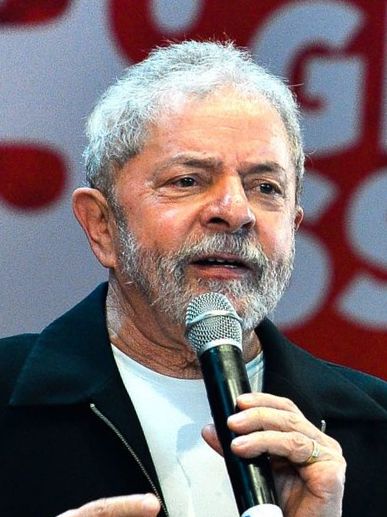
Luiz Inácio Lula da Silva
Brazilian labor leader and politician, co‑founder of the Workers' Party, president from 2003–2010 and again after the 2022 election; known for poverty‑reduction programs, economic pragmatism and political controversy.
Luiz Inácio Lula da Silva (born October 27, 1945) is a Brazilian politician and former trade unionist who rose from working‑class roots to become one of Brazil's most prominent public figures. He co‑founded the Workers' Party and served as a federal deputy from São Paulo (Federal Deputy for São Paulo) before winning the presidency in 2002. Lula held the office from January 1, 2003, to December 31, 2010; after a period of legal battles and a return to politics he won the 2022 election and resumed the presidency beginning in 2023, a result widely reported in connection with his status as president‑elect following that campaign.
Lula's early public life was shaped by labor activism. He organized strikes in São Paulo's industrial sector in the 1970s and 1980s and became a national voice for organized labor and the urban poor. His political movement emphasized social justice, expanded welfare, and a stronger role for workers in public life. The party he helped create, the Workers' Party, combined trade union roots with broader social movements and became a central actor in Brazil's post‑dictatorship politics.
Electoral persistence marked Lula's rise: he ran unsuccessfully for president three times before winning in 2002, replacing the administration of Fernando Henrique Cardoso. Lula secured reelection in 2006, in a campaign often described as a landslide victory by supporters and observers (2006 re‑election). His electoral strategy combined appeals to social policy with pragmatic economic accommodations to markets and investors, relying on coalition building across Brazil's fragmented political system.
Image gallery
9 Images



Policies and programs
During his first two terms, Lula pursued a mix of social and macroeconomic measures. Notable domestic initiatives included:
- Social transfer and anti‑poverty programs: The administration championed conditional cash transfers and poverty‑alleviation schemes, most famously Bolsa Família and related initiatives designed to reduce extreme poverty and increase school attendance and health checks.
- Economic management: Lula's governments combined social spending with an orthodox fiscal stance, benefiting from a commodities boom that enabled expanded public investment without immediate macroeconomic crisis.
- Environment and climate: His administrations engaged in international discussions on climate change and initially pursued policies that contributed to a temporary decline in deforestation in the Amazon, while later years and subsequent governments saw fluctuating trends.
Controversies and legal proceedings
Lula's time in office and his party's later governance were dogged by several high‑profile scandals and legal controversies. The Mensalão parliamentary vote‑buying scandal damaged the Workers' Party's image during his second term. Years after leaving the presidency, Lula faced criminal investigations: in 2016 his appointment as chief of staff to President Dilma Rousseff was blocked amid judicial scrutiny; in 2017 he was convicted on charges that included money laundering and was later accused of bribery in related probes. He sought the 2018 nomination (2018 run) but was prevented from campaigning freely while under conviction. Arrested in 2018, he spent about 580 days in custody before appeals and Supreme Court rulings raised questions about the conduct and jurisdiction of his trials. In 2021 key convictions were annulled on procedural grounds, restoring his political rights and clearing the path for his successful 2022 campaign against incumbent Jair Bolsonaro.
Despite controversies, Lula remains a defining figure in Brazilian politics. Supporters credit his leadership with reducing poverty, expanding access to education and health services, and enhancing Brazil's diplomatic profile. Critics point to corruption scandals and polarizing rhetoric during later campaigns. Political scientists often use the term "Lulism" to describe the blend of social policy, pragmatic economic management, and broad electoral coalition‑building associated with his style of politics.
As a returned head of state, Lula's second tenure since the 2022 election has confronted persistent challenges: rebuilding public trust, responding to economic and environmental crises, addressing social inequality, and navigating a polarized political landscape. His career illustrates both the possibilities and pitfalls of transformative social policy pursued within a competitive democratic system, and his influence continues to shape debates on Brazil's future direction, regional diplomacy and engagement in multilateral forums.
For further context on his political trajectory and policies see profiles and analyses published by major news outlets and research centers; primary documents and speeches are available through party and government archives. Additional background can be found through resources describing Brazil's post‑authoritarian political evolution and the role of labor movements in Latin American democracies.
Related articles
Author
AlegsaOnline.com Luiz Inácio Lula da Silva Leandro Alegsa
URL: https://en.alegsaonline.com/art/125547