
Ōmisoka: Japan's New Year's Eve traditions and customs
Ōmisoka (大晦日) is the Japanese observance of New Year's Eve on December 31, marked by year‑end cleaning, special foods like toshikoshi soba, temple bell ringing, and preparations for the New Year.
Ōmisoka (大晦日, often written Omisoka or Oomisoka) is the Japanese name for New Year's Eve, observed on December 31. It is both a time to complete the outgoing year and to prepare spiritually and practically for the incoming one. Many modern and traditional practices coexist on this day, blending household customs with public rituals.
Image gallery
5 Images

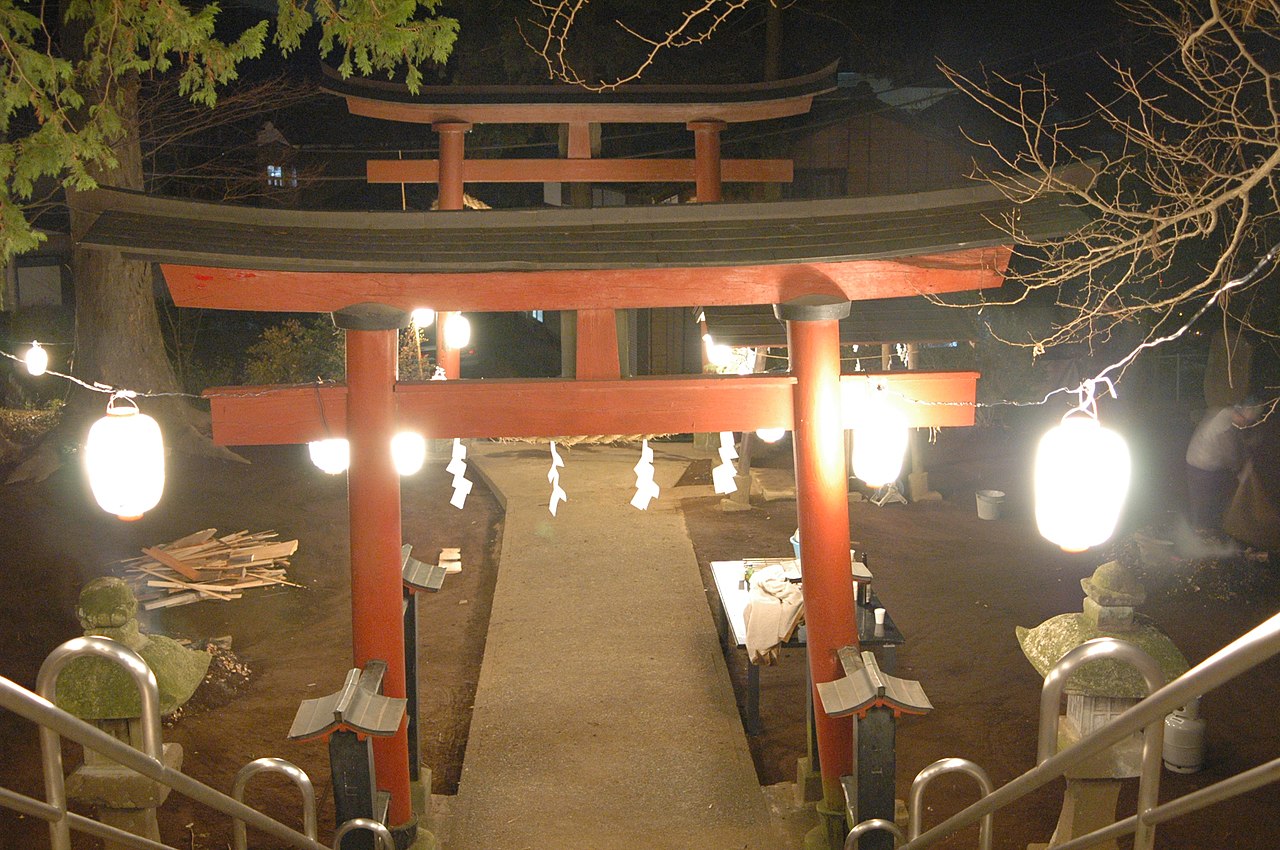


Common customs and practices
On Ōmisoka people typically perform final housecleaning (osoji), settle debts, and finish business to leave the year without unfinished matters. Families often prepare or set aside special New Year foods (osechi) and decorations such as kadomatsu for the coming year. It is also common to watch television specials, spend time with relatives, or attend community events.
A characteristic food is toshikoshi soba (年越し蕎麦), literally “year‑crossing soba,” eaten with the hope of a long, resilient life. The long buckwheat noodles symbolize longevity, while their easy-to-cut nature can represent letting go of past hardship. In some regions people eat udon or other local variants instead.
Public rituals and notable observances
- Joya no Kane: Buddhist temples ring bells, traditionally 108 times, to purify listeners of worldly desires before the New Year.
- Hatsumode preparation: Many make plans to visit Shinto shrines or Buddhist temples for their first prayers of the year (hatsumode) shortly after midnight.
- Social gatherings: Friends and coworkers often hold year‑end parties in December called bōnenkai, while families may observe quieter gatherings on Ōmisoka itself.
The day balances reflection and anticipation: clearing the old year’s clutter, sharing a meal that symbolizes longevity, and participating in communal rites that mark the transition. For a concise introduction to the day's role in Japanese culture see New Year's Eve and for more on the soba custom visit Japanese culinary traditions.
Regional variations and household traditions mean Ōmisoka can feel very different from home to home, but its central purpose remains the same: to end the year with closure and to welcome the New Year with renewed hope and ritual observance.
Related articles
Author
AlegsaOnline.com Ōmisoka: Japan's New Year's Eve traditions and customs Leandro Alegsa
URL: https://en.alegsaonline.com/art/72507