
Ostara — Vernal equinox festival in modern Pagan and Wiccan practice
Ostara is a modern Pagan festival held at the vernal equinox. It celebrates balance, renewal and the return of growth. Observances include planting, eggs, rites of balance and community gatherings within the Wheel of the Year.
Overview
Ostara is a seasonal festival observed by many contemporary Pagans and Wiccans. It falls at the vernal equinox, when day and night are approximately equal — about 21 March in the Northern Hemisphere and 21 September in the Southern Hemisphere. Ostara marks the turn from winter toward the active, growing half of the year and is one of the eight Sabbats that form the Wheel of the Year.
Image gallery
3 Images

Rituals and symbols
Common elements emphasize rebirth, fertility and balance. Many observant groups and individuals set up altars, exchange or decorate eggs, sow seeds, and hold ceremonies to honor the returning life of the land. Colors associated with Ostara tend to be pastel or bright greens and yellows, and simple rites often focus on gratitude and setting intentions for growth.
- Eggs and seed symbolism (renewal and potential)
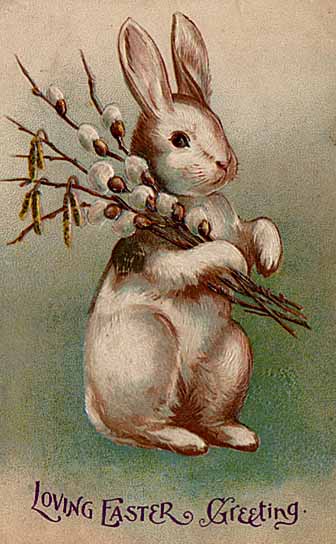
- Hares and fertility motifs
- Planting, seed swaps and starting garden beds
- Balance rituals acknowledging equal day and night in both Northern and Southern Hemispheres
Origins and historical context
Modern Ostara draws on seasonal observances found across cultures and on early scholarly references connecting northern European spring traditions and names. The festival as practiced by many Pagans today was shaped in the 19th and 20th centuries by revivalist and neopagan movements that combined folklore, folk customs and seasonal astronomy. Scholars debate specific ancient origins for some motifs, so contemporary practitioners often treat Ostara as a living, adaptive observance.
Contemporary practice and examples
Practices vary widely: some communities hold public rituals, others observe quietly at home. Gardeners use Ostara as a practical marker to begin sowing; families may include children in egg-decorating and planting seeds. Many modern celebrations have an ecological emphasis, linking the spiritual theme of renewal with stewardship of the environment and local food-growing efforts in early spring.
Significance and distinctions
Ostara is distinct from the Christian festival of Easter, though they share some symbolic items such as eggs and springtime imagery. As a point on the Wheel of the Year it emphasizes balance and the promise of abundance to come rather than a single historical event. Its flexibility allows for individual adaptation while maintaining a common seasonal focus across diverse Pagan communities.
Related articles
Author
AlegsaOnline.com Ostara — Vernal equinox festival in modern Pagan and Wiccan practice Leandro Alegsa
URL: https://en.alegsaonline.com/art/73417