
Soba: Japanese buckwheat noodles, varieties, preparation, and cultural role
Soba are thin Japanese noodles traditionally made with buckwheat. This article explains ingredients, production, common preparations, history, regional variations and cultural practices such as New Year's Toshikoshi soba.
Overview
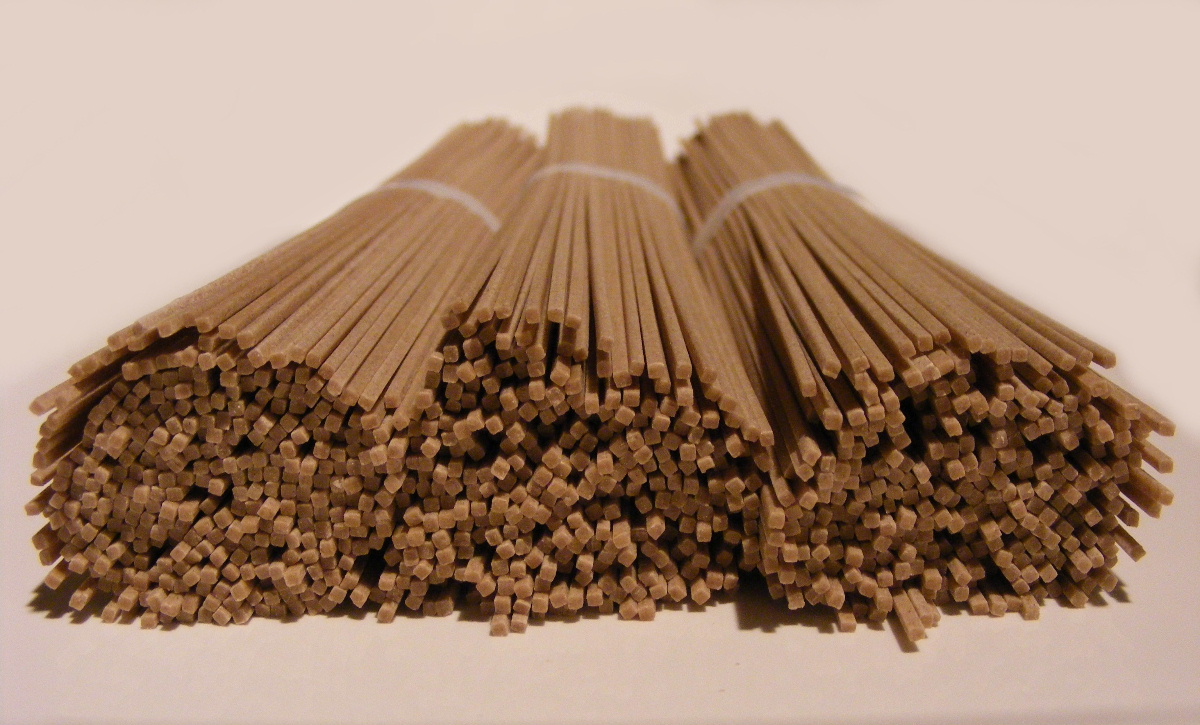
Soba refers to thin Japanese noodles traditionally made from buckwheat (buckwheat flour) and served both chilled with a dipping sauce or hot in a broth. The term can also be used colloquially in Japan to distinguish thin noodles from thicker wheat udon (udon). Soba appears in a wide range of dishes, from simple home-cooked bowls to refined specialty preparations served in dedicated shops.
Image gallery
10 Images




Ingredients and noodle types
Soba is primarily made from buckwheat, which gives the noodles their characteristic nutty flavor and darker color. Because pure buckwheat dough can be fragile, producers commonly mix it with wheat as a binder; common ratios have traditional names such as juwari (100% buckwheat) and nihachi (typically around 80% buckwheat, 20% wheat). Under the Japan Agricultural Standards, noodles labeled as soba must contain at least 30% buckwheat. When wheat or other binders are used, they are often referred to in descriptions as wheat flour or simply wheat in ingredient lists.
How soba is made
- Mixing: Buckwheat flour is blended with water and, when used, a portion of wheat flour to form a cohesive dough. The mixing step is sometimes discussed as part of the overall dough process.
- Resting and rolling: The dough is rested, rolled thin, and folded.
- Slicing: Skilled makers use a long, flat knife to cut uniform strands; craftsmanship strongly affects texture and mouthfeel.
- Cooking: Fresh or dried soba is boiled briefly, then cooled for cold dishes or returned to hot broth for soups.
Common preparations and accompaniments
Two broad categories dominate soba service: cold and hot. Cold soba is typically served on a bamboo tray with a concentrated dipping sauce called mentsuyu, while hot soba is presented in a clear soy-based broth. Popular variations include zaru soba (cold with nori), kake soba (simple hot broth), soba topped with tempura, and versions garnished with grated yam, green onions or raw egg. Condiments and sauces are essential; many cooks use bottled or instant men-tsuyu to simplify preparation.
History, culture and consumption
Soba has a long culinary history in Japan and rose to particular prominence in urban centers during the Edo period. In Edo (now Tokyo) many neighborhoods supported local soba shops, and the noodle became a daily staple for some city dwellers. Historical accounts link widespread soba consumption to dietary balance: in the past, urban diets heavy in polished rice sometimes led to vitamin deficiencies such as beriberi, and soba—being richer in certain B vitamins—was viewed as a complementary food. The custom of eating Toshikoshi soba on New Year's Eve remains an important cultural practice.
Availability, etiquette and notable facts
Soba is sold across a wide spectrum of retail and dining options: inexpensive quick-service counters at train stations and kiosks, specialist restaurants, convenience and grocery stores offering dried or fresh packaged noodles, and home kits that include broth concentrate. In many casual eateries, both soba and udon are offered side by side. For visitors, basic etiquette includes lifting a small portion to dip into the sauce for cold soba and slurping hot noodles—considered acceptable and a sign of appreciation. Some people seek out high-buckwheat or artisanal soba for its flavor and texture, while others prefer the consistency and convenience of blended varieties.
Further reading and resources
For concise introductions, recipe collections, and cultural background, see materials linked here: what soba is, dipping sauce basics, hot broth styles, soba soups. For regional history and Edo-period context consult Edo period accounts and historical notes about Edo. Practical guides to buying and eating soba are available at resources on fast soba options and the role of noodles at train stations. Health and nutritional overviews note links to conditions like beriberi and the role of vitamins such as thiamine. Cultural and beverage pairings are often discussed alongside sake.
Questions and answers
Q: What is soba?
A: Soba is a type of thin Japanese noodle made from buckwheat flour.
Q: How is soba served?
A: Soba can be served either chilled with a dipping sauce or in hot broth as a noodle soup.
Q: How much buckwheat must soba contain to be called soba?
A: According to Japan Agricultural Standards regulations, the noodles must contain at least 30% buckwheat in order to be called soba. However, noodles with a high buckwheat content are seen as more desirable.
Q: How is the dough for soba made?
A: The dough for soba is made by mixing together buckwheat flour and binder, then spreading it out flat before slicing off strands of noodles with a special knife.
Q: When was the tradition of eating soba in Tokyo established?
A: The tradition of eating soba in Tokyo originated during the Edo period when people were more susceptible to beriberi due to their high consumption of white rice which is low in thiamine. They are thought to have made up for this by regularly eating thiamine-rich soba.
Q: Where can one find establishments that serve both udon and soba?
A: Establishments that serve both udon and soba are usually cheaper and more casual places where locals would drop by casually.
Q: Is there an easy way to make home-prepared soba?
A: Markets sell dried noodles and men-tsuyu, or instant noodle broth, which makes home preparation easy.
Related articles
Author
AlegsaOnline.com Soba: Japanese buckwheat noodles, varieties, preparation, and cultural role Leandro Alegsa
URL: https://en.alegsaonline.com/art/91394