
Pakistan Day (Yaum-e-Pakistan)
Pakistan Day, observed each 23 March, commemorates the 1940 Lahore Resolution and Pakistan becoming a republic in 1956. It is marked by national ceremonies, military parades, awards, and public celebrations.
Overview
Pakistan Day (Urdu: Yaum-e-Pakistan) is a national holiday observed on 23 March every year. The day honors two connected milestones in Pakistan's modern history: the adoption of the Lahore Resolution by the All-India Muslim League in 1940 and the country’s formal declaration as an Islamic Republic in 1956. It is one of Pakistan’s principal national observances, combining political commemoration with public ceremony.
Image gallery
3 Images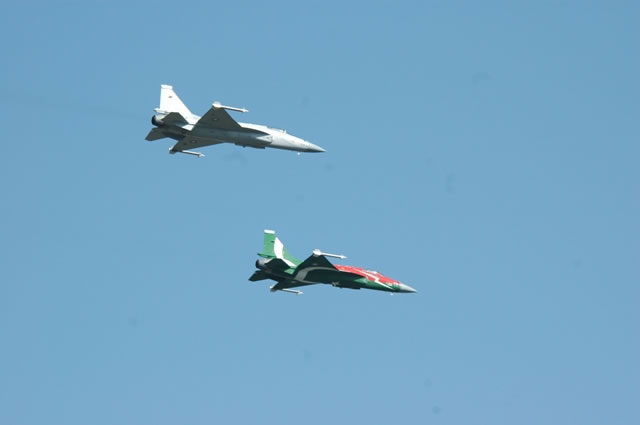
Historical background
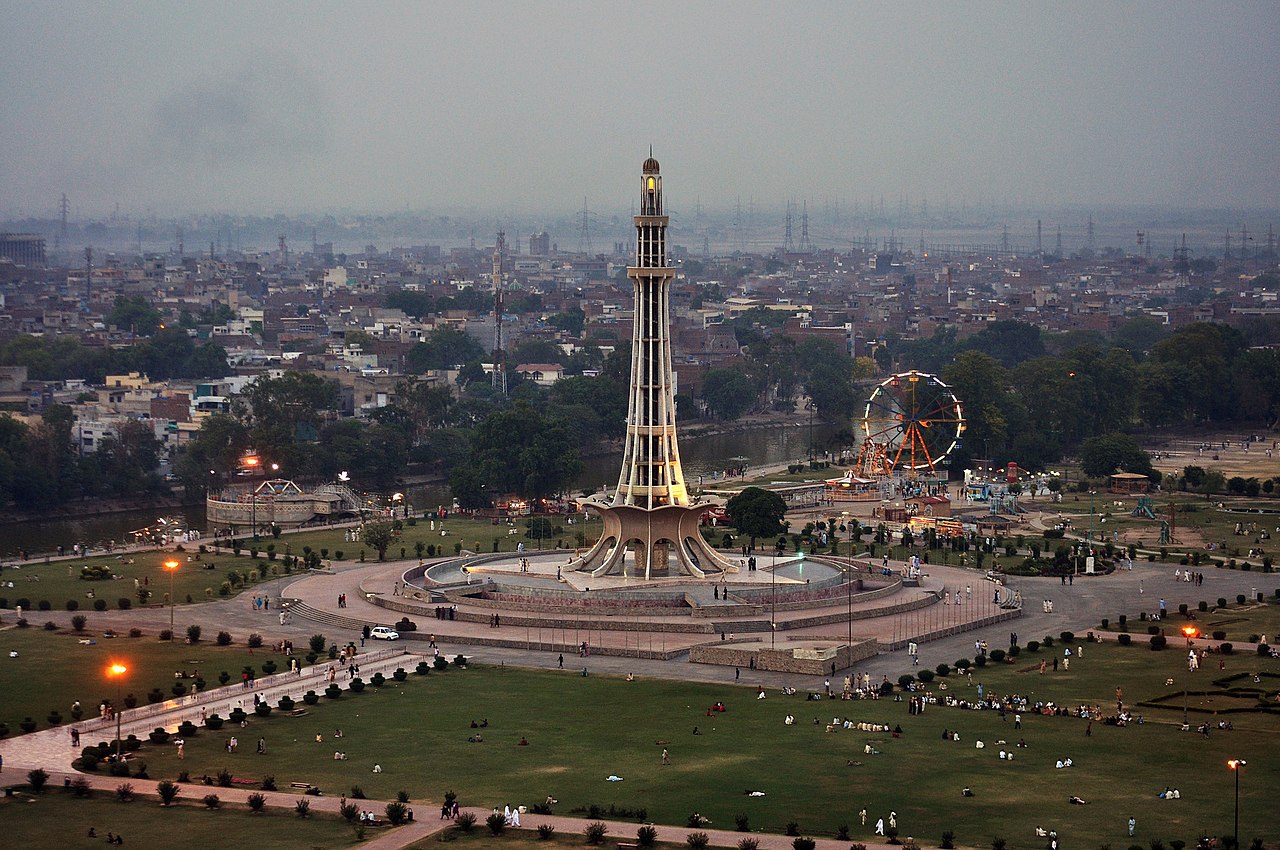
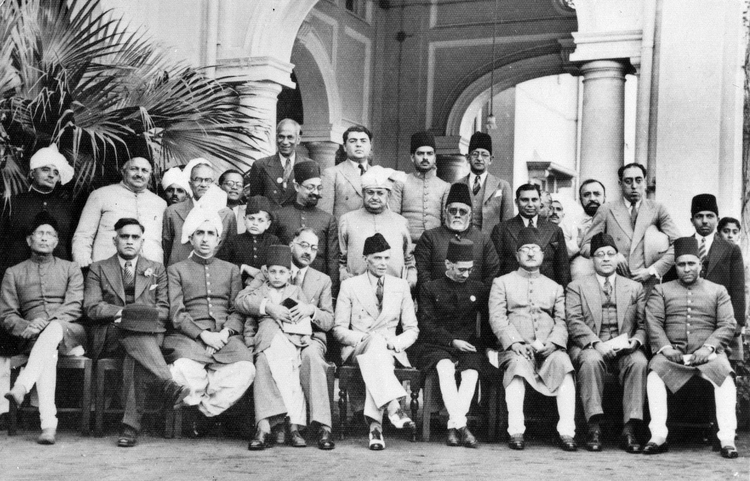
The Lahore Resolution, passed on 23 March 1940 at a session of the All-India Muslim League, articulated the demand for autonomous or separate homelands for Muslims in northwestern and eastern British India. The resolution later became a foundational reference point in the movement that led to the creation of Pakistan in 1947. The name "Pakistan" itself was proposed earlier by Choudhry Rahmat Ali in the 1930s; for further reading about that contribution see Rahmat Ali. On 23 March 1956 Pakistan adopted its first constitution and was proclaimed an Islamic Republic, which is why the date carries dual significance.
Observances and official ceremonies
Pakistan Day is a public holiday nationwide. Official commemorations typically include a state-level ceremony and military parade in the federal capital, speeches by senior officials, and the presentation of national awards. The celebrations emphasize unity, state sovereignty, and the role of the armed forces in national defense.
- Flag hoisting and public gatherings in cities and towns.
- Military parade and flypast in the capital showcasing service branches.
- State decorations and awards presented to civilians and military personnel.
- School programs, cultural events, and patriotic broadcasts.
Symbols, rituals and civic participation
Common elements of Pakistan Day include the national flag, the playing of the national anthem, official addresses by the President or Prime Minister, and moments of remembrance for leaders and martyrs associated with the country’s founding. Citizens often participate in local ceremonies, charity events, and cultural performances that express national identity.
Importance and distinguishing facts
The date is distinguished from Independence Day (14 August), which marks the transfer of power in 1947. Pakistan Day specifically recalls the political articulation of Muslim demands in 1940 and the later constitutional milestone of 1956. Diaspora communities also use the day to hold events abroad and to highlight Pakistan’s history and contemporary role. Official information and event schedules are often released by government sources and cultural institutions; see an official source for event details here.
Related articles
Author
AlegsaOnline.com Pakistan Day (Yaum-e-Pakistan) Leandro Alegsa
URL: https://en.alegsaonline.com/art/74062