
Onam: Kerala's ten-day harvest festival and cultural celebration
Onam is Kerala's major annual festival, a ten-day harvest celebration marked by floral carpets, a grand vegetarian feast, boat races, dances and traditions honoring the legendary King Mahabali.
Overview
Onam is the principal annual festival of Kerala, a state on the southwest coast of India. Observed over ten days in the month of Chingam (the first month of the Malayalam calendar), it generally falls in August–September of the Gregorian calendar. The festival is widely celebrated by the people of Kerala, often called Malayalees, and is regarded as a unifying cultural occasion observed across religions and communities in the region. The last day, known as Thiruvonam, is the most important.
Image gallery
10 Images




Historical and mythological background
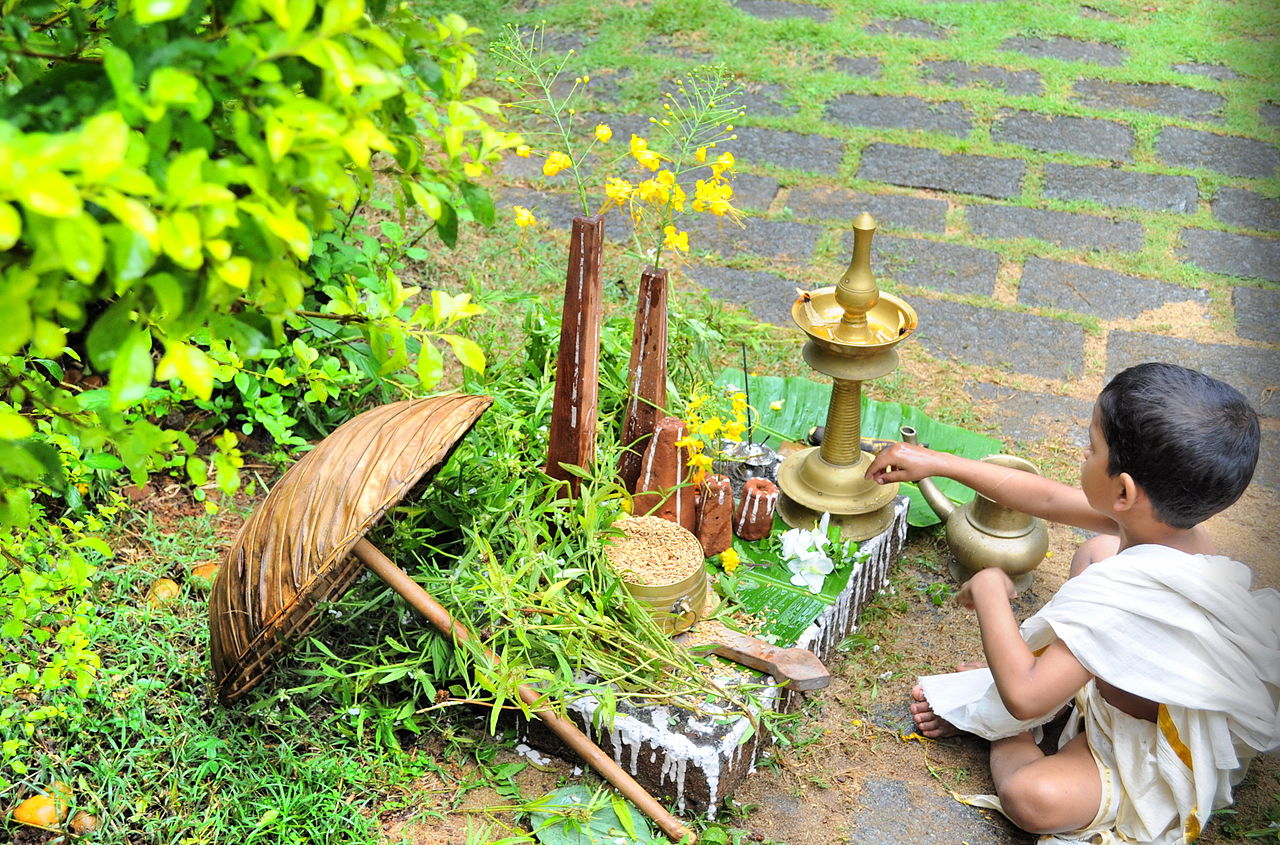
Onam has both agrarian and mythic roots. Agriculturally, it is associated with the harvest and the annual cycle of crops, a time of plenty after the monsoon season. Mythologically, popular tradition links the festival to the story of King Mahabali, a legendary ruler remembered for his generosity and just rule. According to this legend, the Vamana (dwarf) avatar of the Hindu god Vishnu visited Mahabali and later granted him permission to visit his people once a year; Onam is said to mark that visit. While the Mahabali story is central to many observances, Onam today combines religious, social and cultural elements rather than serving solely as a ritual commemoration.
Key traditions and practices
Onam incorporates a rich array of activities that vary by region and community, but several features are widely recognizable and practiced throughout Kerala:
- Pookalam: Intricate floral designs laid on the ground outside homes and in public places, built up day by day during the festival period.
- Onasadya: A large vegetarian banquet served on banana leaves, often with a dozen or more dishes such as rice, sambar, avial, olan, thoran, and various payasams (sweet dishes).
- Vallamkali (boat races): Traditional snake-boat races staged on rivers and backwaters, which draw large local and tourist audiences.
- Folk performances: Dances and enactments such as Thiruvathira, Kaikottikali (women's group dance), Pulikali (tiger dance), Kathakali and other classical and folk arts.
- Onakkodi: The custom of buying or wearing new clothes for the festival.
Social and cultural significance
Beyond its ritual aspects, Onam functions as a marker of cultural identity and social cohesion. It is a time when families gather, communities organize public displays, and expatriate Malayalees often return to Kerala for the observances. The festival also supports local economies, generating income for florists, restaurants and performers. Public institutions, schools and workplaces commonly host cultural programs and sadyas, and Onam is a state holiday in Kerala.
Regional variety and contemporary observance
Practices and emphases differ across Kerala's districts and among urban and rural areas. Some places are noted for particularly large or historic events—famous boat races, elaborate pookalams, or temple-centered celebrations. Modern Onam blends tradition with contemporary cultural expression: televised performances, organized competitions for pookalam and dance, and staged versions of folk arts have become common. The core themes—harvest gratitude, family reunion and communal festivity—remain constant even as the festival adapts to changing social contexts.
Notable distinctions
Onam stands out among Indian festivals for its statewide, cross-community participation in Kerala and for the combination of mythic storytelling with agricultural celebration. While rooted in local calendars and seasonal cycles, its visible pan-Kerala traditions—flower carpets, a lavish vegetarian feast and the spectacle of snake-boat races—make it distinctive and widely recognized both within India and among the global Malayalee diaspora.
Questions and answers
Q: What is Onam?
A: Onam is the most popular festival in the state of Kerala, India.
Q: What is the official state festival of Kerala?
A: Onam is the official state festival of Kerala.
Q: Who celebrates Onam?
A: Onam is celebrated with joy and enthusiasm all over the state by Malayalees regardless of religion, caste or creed.
Q: Why is Onam celebrated?
A: Onam is celebrated to welcome King Mahabali, whose spirit is said to visit Kerala in the time of Onam, according to a popular legend.
Q: How long is the festival of Onam?
A: Onam is a 10 day long festival celebrated in the beginning of the month of Chingam, the first month of the Malayalam Calendar (Kollavarsham).
Q: When is Onam celebrated according to the Gregorian Calendar?
A: Onam is celebrated in the month of August to September according to the Gregorian Calendar.
Q: Which days out of the 10-day festival are the most important?
A: The first day, Atham and the tenth day, Thiruvonam are the most important days of the 10-day festival of Onam.
Related articles
Author
AlegsaOnline.com Onam: Kerala's ten-day harvest festival and cultural celebration Leandro Alegsa
URL: https://en.alegsaonline.com/art/72540