
Orangeman's Day (The Twelfth)
Annual July 12 commemorations marking William of Orange's victory and associated Orange Order parades, bonfires and controversies, chiefly observed in Northern Ireland and among diaspora communities.
Orangeman's Day, commonly called "The Twelfth," is the annual observance held on 12 July to commemorate the victory of William of Orange over James II in the late 17th century. It is most visibly marked in Northern Ireland but also remembered by some Protestant communities in parts of Great Britain, Canada and elsewhere. The occasion combines historical commemoration with modern public ceremonies organised largely by the Orange Order.
Image gallery
9 Images


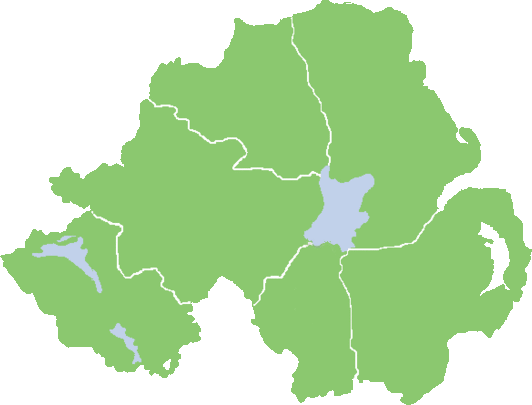
Origins and historical background
The celebration traces its symbolic origin to a military and political turning point in British and Irish history. Over time the anniversary became a focal point for unionist and Protestant identity, and the Orange Order, a fraternal organisation founded in the late 18th century, adopted the date for annual commemorations. The name "Orangeman" derives from William of Orange, the Dutch-born ruler whose supporters defended Protestant succession.
Typical observances
- Daytime parades and processions featuring bands, banners, sashes and lodge contingents.
- Church services, public speeches and remembrance of historical events and figures.
- Bonfires and community gatherings, often beginning on the eve of 11 July.
- Displays of flags and regalia associated with the Orange Order and unionism.
Parades are organised centrally and locally by lodges and are frequently subject to licensing, route approvals and regulation by public authorities. The ceremonies mix ritual, music and pageantry and are an important expression of cultural identity for participants.
Public response and contemporary significance
Orangeman's Day is socially and politically contested. Supporters view it as an affirmation of historical memory and cultural heritage; critics argue that some elements of the observance can be sectarian or provocative, especially when routes pass through or near communities with differing traditions. In recent decades authorities and organisers have worked to manage parades and reduce tensions, while debates over the place and form of public commemoration continue.
For further general information about the celebration and related organisations see relevant sources.
Related articles
Author
AlegsaOnline.com Orangeman's Day (The Twelfth) Leandro Alegsa
URL: https://en.alegsaonline.com/art/72962