
OMF International (Overseas Missionary Fellowship)
Inter‑denominational Protestant missionary society founded by Hudson Taylor in 1865 as the China Inland Mission; now focused on church planting and Christian service across East and Southeast Asia.
OMF International is an inter‑denominational Protestant missionary society with historical roots in the 19th century China mission movement. Founded as the China Inland Mission by English missionary Hudson Taylor, the organization has adapted its name and scope over time to reflect changing circumstances and a broadened regional focus.
Image gallery
10 Images


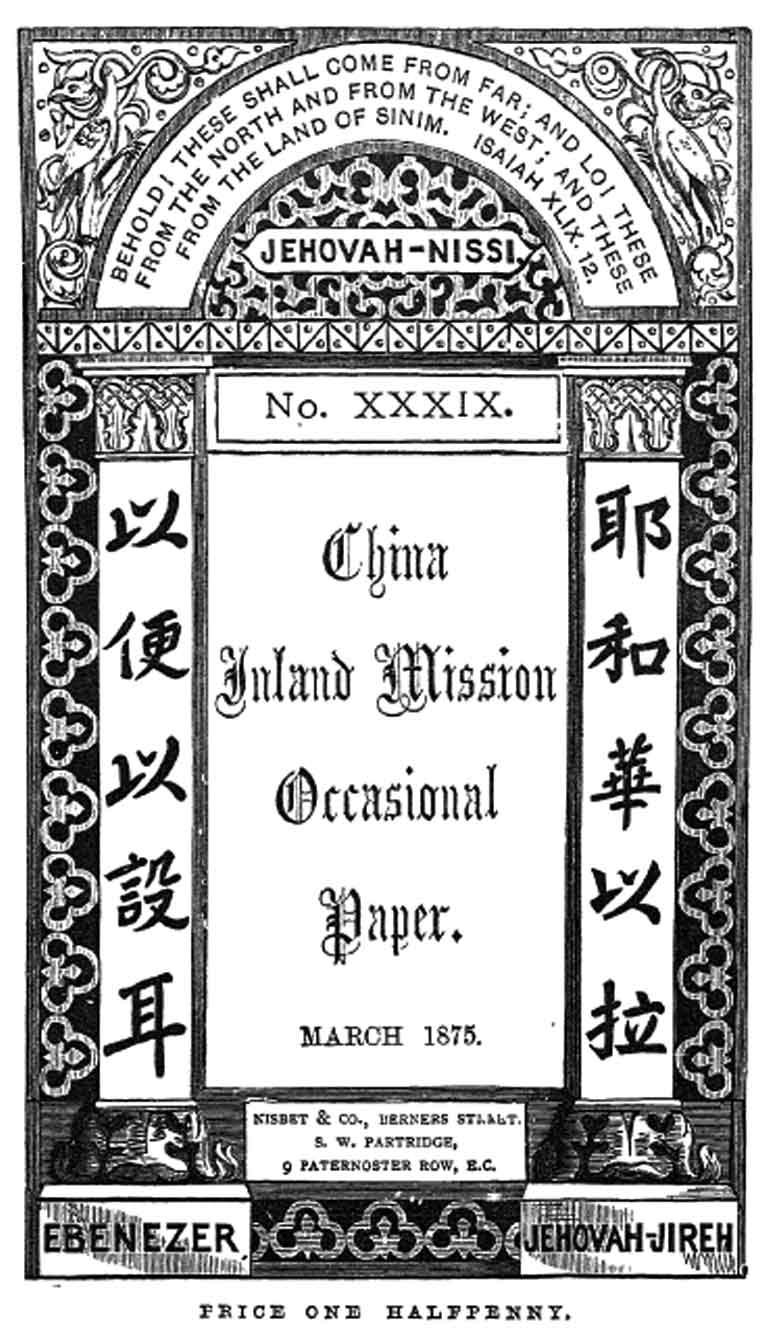

Overview
Originally established to bring Christian witness to the Chinese interior, the body became known as the Overseas Missionary Fellowship in the mid‑20th century and later adopted the working title OMF International. It operates across many parts of East and Southeast Asia, engaging in long‑term cross‑cultural ministry that includes evangelism, church planting, training of local leaders and a variety of social and development activities.
History and development
The founding in 1865 reflected a new model of missionary endeavor: mobilizing volunteers from a range of Protestant backgrounds, emphasizing cultural adaptation and residence among local people. Political changes in China during the 20th century led to a shift of personnel and activity to other countries in the region, prompting the organization to broaden both name and mandate. Throughout these changes it preserved a commitment to indigenous church development and to recruiting workers from different denominations.
Work and methods
- Long‑term cross‑cultural service and relational evangelism (church planting, discipleship).
- Training and theological education for national leaders and lay workers.
- Practical ministries such as healthcare, community development and literacy projects.
- Publishing and translation work to make Christian resources available in local languages (literature and study materials).
OMF’s personnel come from a variety of Protestant traditions and often work in partnership with national churches and mission partners. Its inter‑denominational character has helped it adapt to differing local church structures and cultures.
Distinctive features and legacy
Notable aspects include a strong emphasis on cultural sensitivity, a history of pioneering inland outreach, and a sustained focus on equipping indigenous leadership rather than maintaining foreign‑led congregations. The organization maintains offices and teams in several countries and continues to contribute to missional scholarship and training (resources, networks).
As a subject of historical and religious study, OMF illustrates broader themes in modern missions: adaptation under political pressure, ecumenical cooperation, and the shift from colonial patterns of mission to partnership‑oriented, local‑led ministry.
Related articles
Author
AlegsaOnline.com OMF International (Overseas Missionary Fellowship) Leandro Alegsa
URL: https://en.alegsaonline.com/art/72502