
One Laptop Per Child (OLPC): mission, XO laptop and educational software
OLPC is a nonprofit project from MIT that designed the XO laptop and Sugar learning environment to provide low-cost, child-friendly computing in low-income regions.
Overview
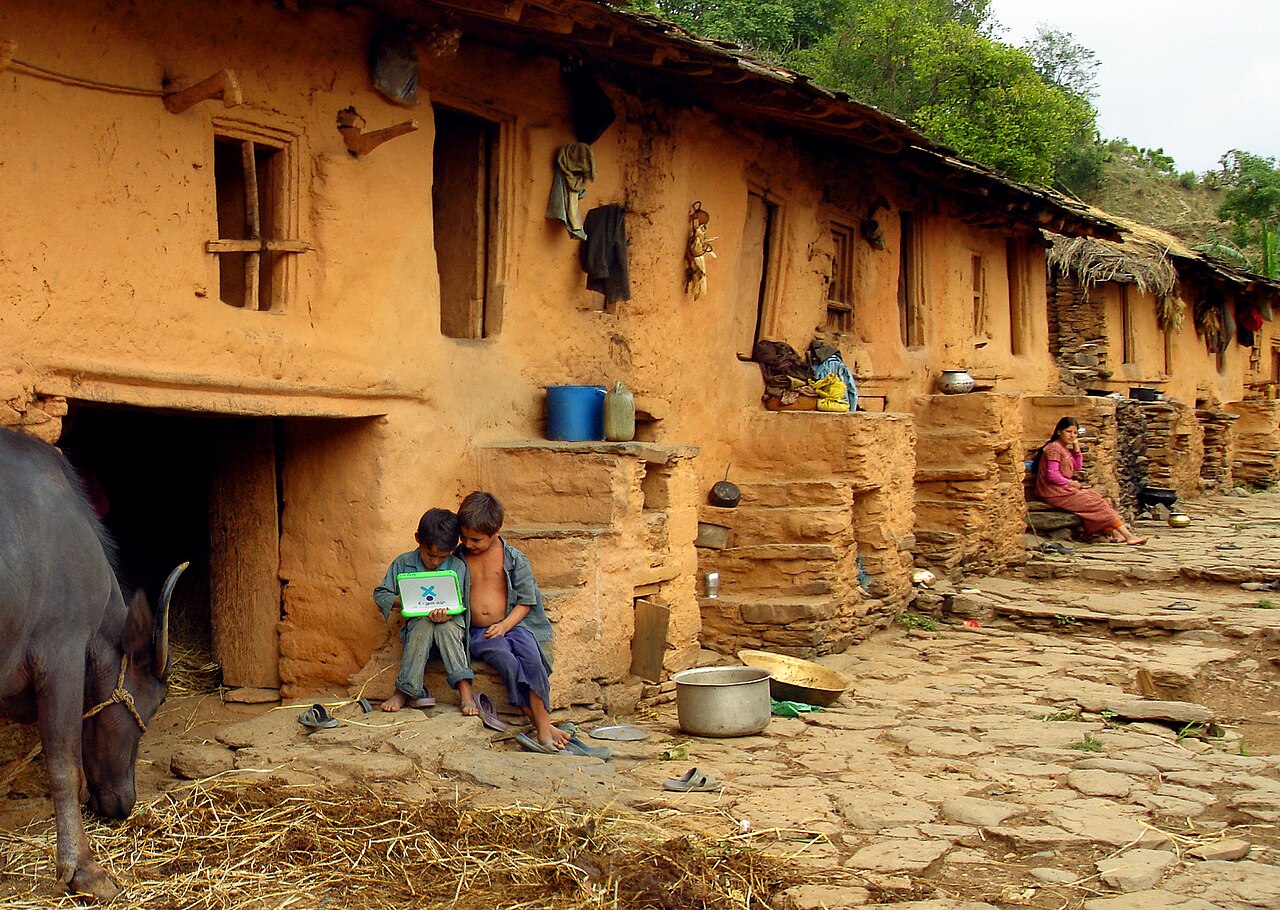
One Laptop Per Child (OLPC) is a nonprofit initiative originating at the Massachusetts Institute of Technology Media Lab. Its stated purpose was to broaden access to personal computing and learning tools for children in communities with limited educational technology. OLPC promoted a low-cost laptop — known as the XO — and a companion software environment intended for exploration, collaboration and curriculum support.
Image gallery
10 Images





Design and hardware
The XO was engineered to be inexpensive, durable and energy-efficient. It emphasized features suited to challenging classroom and field conditions: rugged casing, low power consumption, a keyboard sized for small hands, a display readable in bright light, and options for off-grid power. The project focused on producing affordable or cheap laptop hardware that could be distributed at scale to schools and community programs.
Software and learning environment
OLPC developed the Sugar learning platform, an interface and set of applications built on open-source foundations to encourage active learning, collaboration and creativity. Sugar organizes activities rather than traditional desktop metaphors and supports content sharing between nearby machines. In practice, some XO units were also able to run other operating systems, and OLPC explored compatibility with mainstream platforms such as Windows to meet local procurement needs.
Origins, goals and deployments
The project began in the mid-2000s with leadership and advocacy from researchers and educators at MIT. It aimed to give each child access to a personal computing device so that children in less affluent or technology-poor areas could use a computer for learning, rather than relying solely on scarce shared resources. OLPC worked with ministries of education, non-governmental organizations and local partners to run pilot programs and larger deployments in several countries, seeking to adapt the device and curriculum to local languages and needs. The work addressed issues of unequal access to technology and educational opportunity.
Uses, impact and lessons
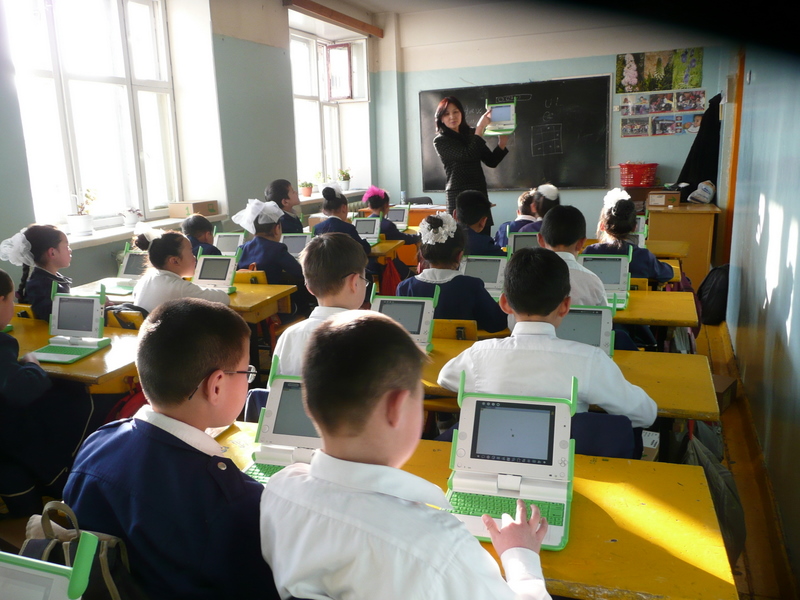
Typical classroom uses included computer literacy, creative activities, collaborative projects and distribution of offline educational content. Evaluations of OLPC deployments reported a mix of positive outcomes—such as increased student engagement and familiarity with digital tools—and challenges, particularly the need for teacher training, reliable power and long-term maintenance. The initiative influenced later efforts to design low-cost educational devices and open-source learning software.
Key features and notable facts
- XO laptop: compact, low-power machine designed for children.
- Sugar environment: activity-centered, collaborative and open-source.
- Deployment challenges: infrastructure, teacher support and repair logistics affected long-term success.
- Legacy: inspired other affordable-device programs and conversations about technology in education.
OLPC remains a frequently cited example of technology-for-education efforts: its combination of tailored hardware, purpose-built software and large-scale ambition provides lessons about design, policy and the practical constraints of improving learning through devices.
Related articles
Author
AlegsaOnline.com One Laptop Per Child (OLPC): mission, XO laptop and educational software Leandro Alegsa
URL: https://en.alegsaonline.com/art/72583
Sources
- wiki.laptop.org : "Windows - OLPC"