
Olympic Mountains (Washington State)
A rugged, largely roadless range on Washington's Olympic Peninsula: geology, climates from temperate rainforests to alpine peaks, human history, protected lands, and recreational significance.
Overview
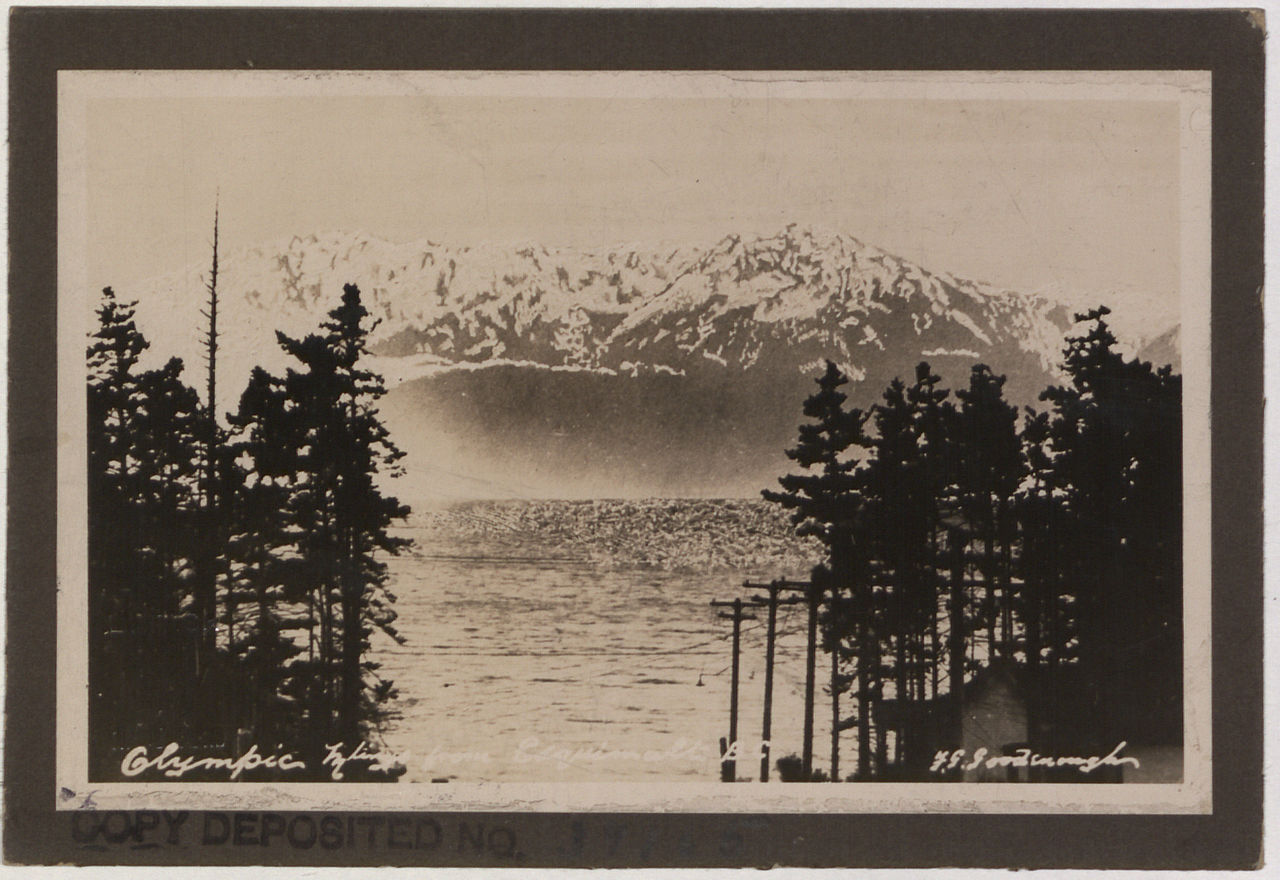
The Olympic Mountains form a compact, rugged range on the Olympic Peninsula of western Washington state. Isolated from other large ranges by lowlands and sea, the range rises sharply from near sea level on its eastern flanks to high, glaciated summits at its core. The range is one of the principal segments of the Pacific Coast Ranges and is widely valued for its wild character and variety of ecosystems.
Image gallery
10 Images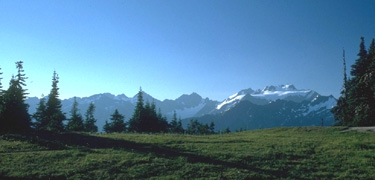




Geology and physical features
The Olympic Mountains are composed mainly of marine sedimentary rocks and basaltic oceanic crust that were uplifted and folded by tectonic accretion against the North American plate. Repeated glaciations during the Pleistocene carved steep cirques, sharp ridgelines and U-shaped valleys; small glaciers and permanent snowfields remain on the highest peaks. The highest point is Mount Olympus, which crowns the range and supports remnant icefields.
Climate and ecosystems
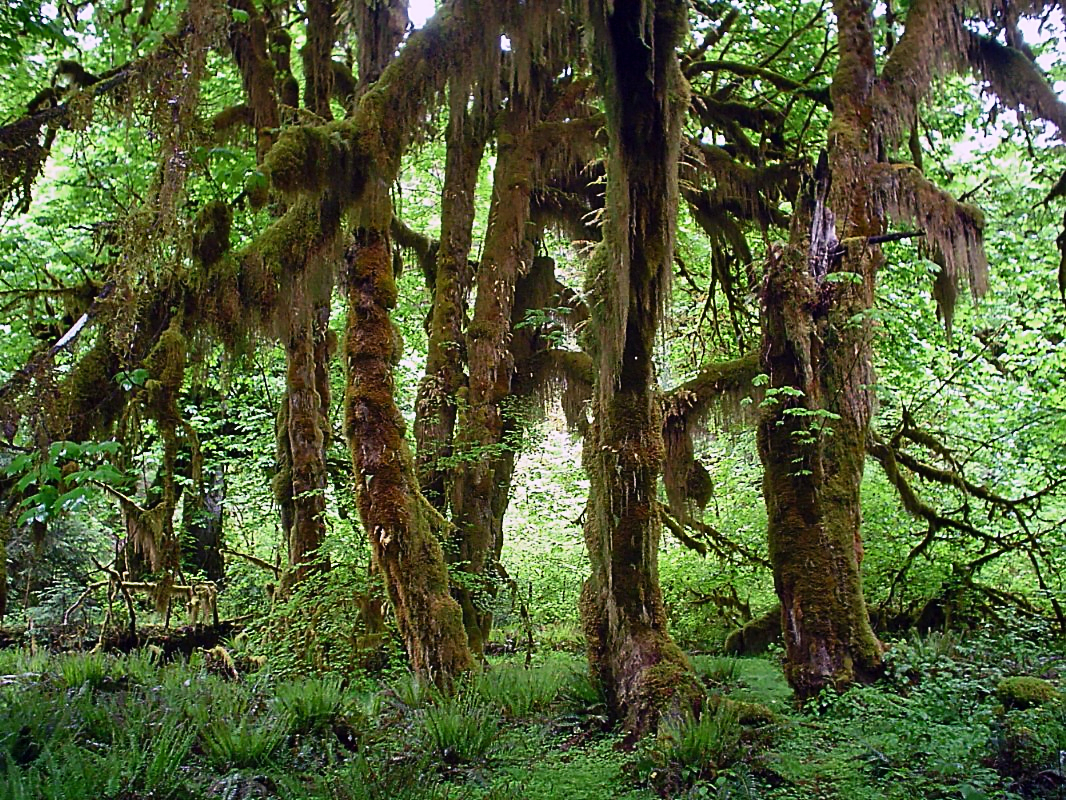
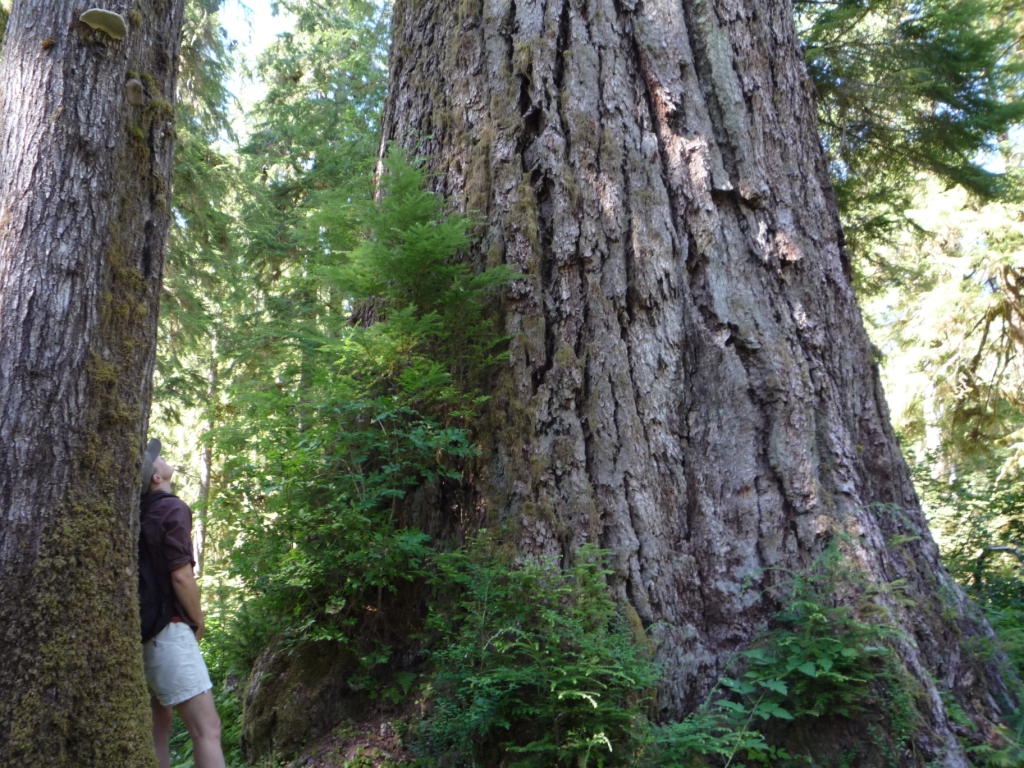
Proximity to the Pacific Ocean produces strong maritime influence. Moist ocean air reaches the western slope and is forced upward, creating one of the wettest environments in the contiguous United States; the western side hosts temperate rainforests and prolific moss- and lichen-covered old-growth trees. In contrast, the eastern slopes drop toward Puget Sound and lie in a rain shadow that produces drier forests and different plant communities. The range thus contains a steep ecological gradient from coastal lowland rainforest through montane forests to alpine tundra.
Protected areas and human use
Most of the range lies within Olympic National Park, a large protected area created to conserve the region's scenic, ecological and cultural values. A substantial portion of park lands is further designated as the Olympic Wilderness, preserving remote backcountry character. Indigenous peoples have long connections to the mountains, and modern uses include hiking, mountaineering, wildlife viewing and limited scientific research. Management balances recreation with habitat protection.
Notable facts and distinctions
The western slopes of the Olympics receive among the highest annual precipitation totals in the lower 48 states, making places within the range notable for dense, temperate rainforest and persistent cloud and fog; this contrasts with drier interior and eastern coastal landscapes such as those found farther inland or in Hawaii and Alaska. The range's island-like isolation has allowed distinctive assemblages of plants and animals and makes it an important area for conservation.
Recreation, access and examples
Trails and established routes provide access to valleys like the Hoh and Quinault and to classic climbs on peaks such as Mount Olympus. Visitors experience diverse environments in short distances: seaside beaches, dense rainforest, glacier-fed rivers and high alpine ridgelines. Because many areas are remote, safety planning and wilderness skills are important. Researchers study the Olympics to understand temperate rainforest ecology, mountain hydrology and the effects of regional climate patterns on alpine systems.
- Major peaks: Mount Olympus and other summits that define the rugged skyline.
- Key ecosystems: Coastal rainforest, montane conifer forests, subalpine and alpine zones.
- Conservation: Extensive protection under national-park and wilderness designations.
For maps, park information and trail conditions consult official resources and regional guides before travel. The mountains remain a striking example of Pacific Coast Range geology and of how oceanic climate shapes inland terrain and ecosystems.
The mountains are a compact but complex landscape; their contrasts—wet to dry, lowland to alpine—make them an important subject of both recreation and study. The western slopes' heavy precipitation contrasts with the rain-shadowed east, and the range's protected status helps preserve these contrasts for future generations. Additional resources and interpretive material are available through park partners and regional conservation organizations (Pacific Ocean-facing stewardship efforts and local outreach).
The western slopes and rainforests continue to draw naturalists and scientists, while wettest place references emphasize the dramatic precipitation patterns that help support the Olympics' lush vegetation. For cultural, geological and recreational perspectives, the Olympic Mountains remain a distinctive and accessible mountain range on the U.S. Pacific coast (Olympic Mountains, Olympic Peninsula, Washington).
Further historical, ecological and logistical detail can be found through park literature and regional natural-history publications; always verify conditions and regulations with official sources before visiting.
Related articles
Author
AlegsaOnline.com Olympic Mountains (Washington State) Leandro Alegsa
URL: https://en.alegsaonline.com/art/72458
Sources
- lib.washington.edu : Fisher Reintroduction Plan/Environmental Assessment