
Olympic Peninsula
Forest-covered peninsula in Washington's Pacific Northwest, containing the Olympic Mountains and Olympic National Park; noted for temperate rainforests, coastal shores, Indigenous heritage, and outdoor recreation.
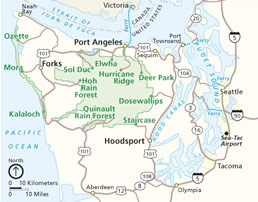
The Olympic Peninsula is a large, mostly forested arm of land in the Pacific Northwest. It lies on the northwest coast of the state of Washington, bounded by the Pacific Ocean, the Strait of Juan de Fuca and waters that separate it from Puget Sound. As a geographic feature the peninsula forms a distinct ecological and climatic region within the broader Pacific Northwest.
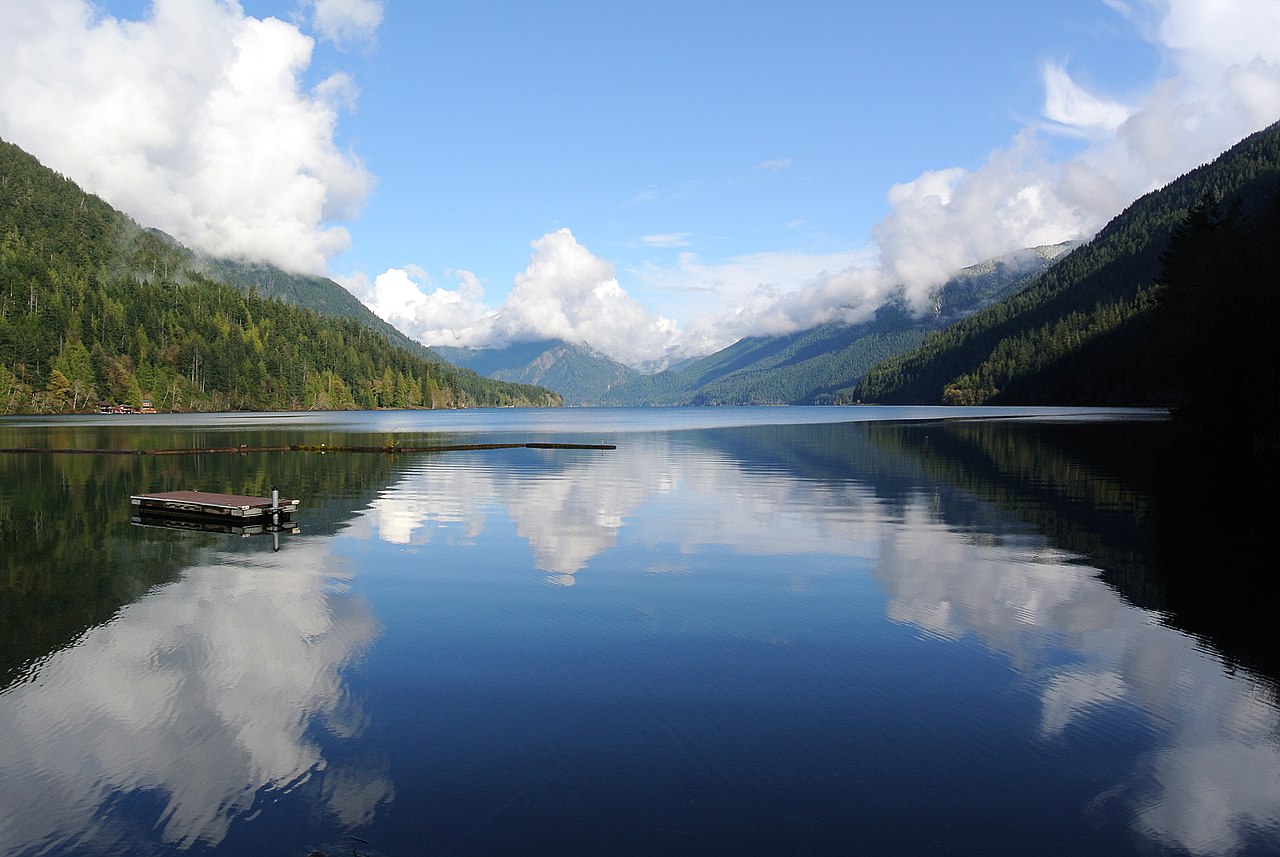
The spine of the peninsula is the Olympic Mountains, a compact range whose steep slopes catch heavy precipitation from onshore storms. That pattern produces intensely wet western slopes and rain-fed valleys, while a rain shadow to the east yields comparatively drier forests and grasslands. Numerous short rivers and streams flow from the mountains to the sea, feeding estuaries and coastal ecosystems.
Image gallery
10 Images





Ecosystems and notable features
The peninsula supports a patchwork of habitats, including:
- Temperate rainforests—moss-draped, old-growth stands found in valleys such as the Hoh and Quinault;
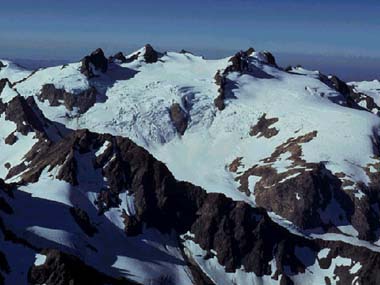
- Alpine and subalpine zones on mountain ridges with meadows and rock faces;
- Coastal beaches and headlands important for marine life and seabirds;
- Estuaries and tidal wetlands that serve as nurseries for fish and shellfish.
Much of this diversity is protected within Olympic National Park, which conserves high-elevation terrain, rainforests, and shoreline in a single unit.
Wildlife includes resident and migratory species such as salmon, Roosevelt elk, several seabirds and the endemic Olympic marmot. The mix of habitats makes the peninsula an important area for biodiversity studies and conservation efforts.
Human presence on the peninsula goes back millennia. Indigenous nations—including the Makah, Quileute, Hoh, Klallam and Quinault—have long cultural and economic ties to the land and sea. European-American settlement brought logging, fishing and road building, and later conservation movements shaped protections that remain significant for recreation, scientific research and regional identity.
Related articles
Author
AlegsaOnline.com Olympic Peninsula Leandro Alegsa
URL: https://en.alegsaonline.com/art/72460